AB'den 13 üye ülkeye bütçe disiplini uyarısı
AB Komisyonu, 11 ülkeden bütçe politikalarını mali kurallarla uyumlu hale getirmelerini isterken Bulgaristan ve Macaristan'a yönelik aşırı açık prosedürün ilerletilmesini önerdi. AB Konseyi'nin onayı halinde iki ülkenin AB fonlarının askıya alınmasına ilişkin süreç başlatılacak.
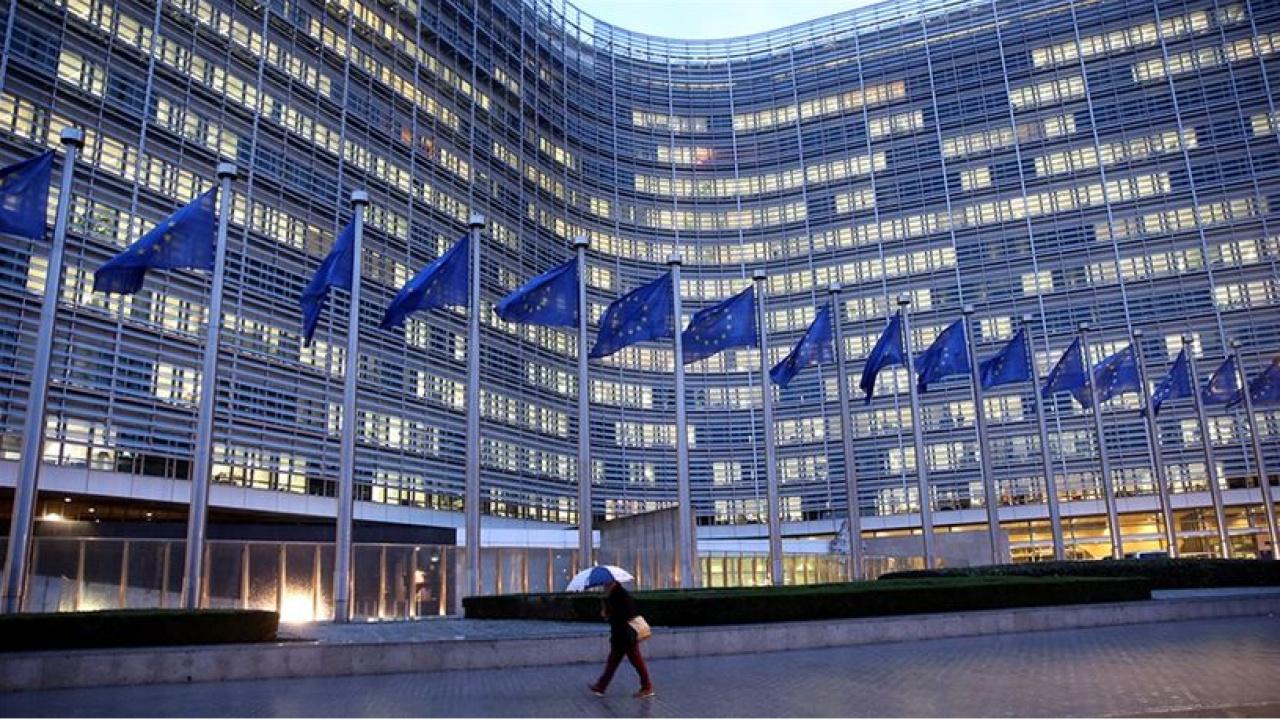
The European Commission has issued a warning to 13 member countries regarding budget discipline issues. The Commission recommends taking steps to address fiscal irregularities in Bulgaria and Slovakia, which may pave the way for their compliance with European financial rules. The 2027 Europe Stability Pact, presented to the public, evaluates the economies, budgets, employment, and social policies of member states.
The pact notes that the European economy is resilient against shocks but has not sufficiently adapted to global economic and technological changes. Geopolitical conflicts, rising energy prices, and financing costs are identified as factors that strain the European economy. The Commission advises implementing a restrictive fiscal policy in the Eurozone to curb inflation.
Member states are urged to support investments and innovation, increase the use of artificial intelligence, strengthen the single European market, and boost public spending efficiency. Eleven countries, including Germany, Czechia, Finland, and Romania, are at risk of breaching EU rules in their fiscal policies. Hungary, Luxembourg, Malta, the Netherlands, Slovenia, Spain, and Lithuania face significant risks of not meeting these rules.
The Commission urges these 11 countries to take adequate measures to bring their 2027 fiscal policies in line with EU regulations. Bulgaria and Slovakia are found to have insufficient steps to reduce their excessive budget deficits. The Commission suggests moving Bulgaria and Slovakia to a next phase of more transparent procedures upon their approval.
If their budget deficits exceed 3% of GDP, automatic restrictive fiscal procedures will be initiated for Germany and Lithuania. Rising defense and energy security spending is highlighted as a burden on member states' public finances. Defense spending is expected to increase in 19 EU countries as a temporary flexibility in the fiscal rules.
The European economy is expected to grow by 1.3% in 2021, 1.9% in 2022, up to 2.1% in 2027, and 2.2% in 2028. Detailed analysis of 5 European economies is expected, with Hungary, Italy, Slovakia, and Romania facing in-depth scrutiny due to increasing national debts, rapid housing price growth, and weakened competitiveness.
Rewritten by urgent.news; may contain errors — check the original.
Source: bloomberght.com