Winnipeg police required to note race in use-of-force reports
The Winnipeg Police Service has historically kept track of some race information but, as of last month, officers must include it in reports when force has been used in a case.
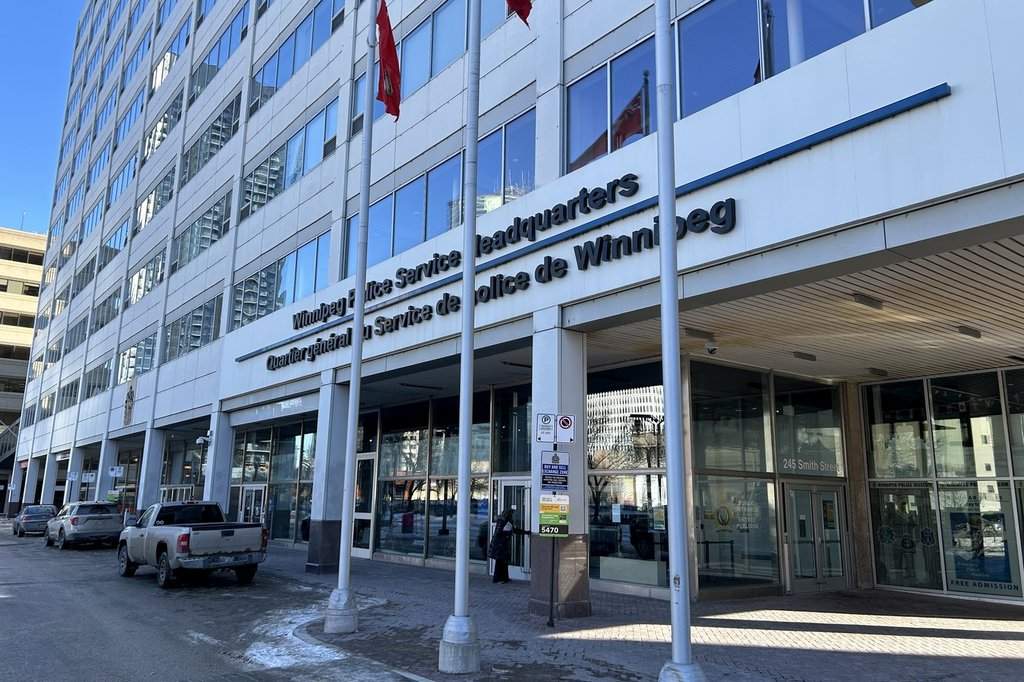
The Winnipeg Police Service is now mandated to gather race-based data in their use-of-force interactions, aiming to tackle systemic racism in policing and promote reconciliation with marginalized communities. Historically, the service had been documenting some race-related information, but officers are now required to include it in reports whenever force has been used in a case.
David Bowman, the service’s director of organizational support and development, explained that the data collection will bridge significant gaps and pave the way for reform. The move comes after extensive consultations with various groups, including the Canadian Association of Chiefs of Police, Statistics Canada, and the Winnipeg Police Board.
While no national laws compel police to collect race-based data, several advocacy groups have long advocated for this measure, emphasizing its importance in addressing systemic racism. Calgary police had already committed to collecting and reporting race-based data in 2020, and a 2024 study from Toronto police revealed that Black and racialized residents faced disproportionate use of force.
The Ontario government’s Anti-Racism Act obligates several public sectors, including the police, to collect race information. A 2022 report from Toronto police also indicated that Black and racialized residents were subjected to disproportionate use of force. The RCMP initiated a pilot project in 2024 to gather race-based data in select detachments, following the recognition of systemic racism within its ranks by a former commissioner.
Bowman emphasized that the absence of national standards for data collection hindered progress. The Canadian Association of Chiefs of Police, while not collecting the data itself, supports the initiative and encourages its sharing with Statistics Canada. Bowman, who serves on the association's committee, highlighted that the guidance from the committee aided Winnipeg police in crafting its roadmap.
The data collection process will rely on officers' perceptions, meaning the data point will be based on their perception of an individual's identity. Bowman mentioned that it's too early to release race data from the past month but suggested that the service might make it publicly available later. Critics argue that while collecting the data is a commendable step, it must be done transparently, addressing concerns about who collects it, how it's collected, and how it's shared.
Meaghan Daniel, a lawyer for the Coalition of Families Affected by Police Violence, suggested that data collection can enhance oversight and trust but raised questions about transparency and potential biases. The collected data, Bowman noted, will be based on officers' perceptions, which might obscure or inform, depending on how it's tracked and utilized.
Rewritten by urgent.news; may contain errors — check the original.
Sources: winnipegfreepress.com · globalnews.ca
Also reported by 1 other outlet
- Winnipeg police required to note race in use-of-force reports winnipegfreepress.com