Who bears the cost of stabilizing the rupiah?
While BI's efforts to stabilize the rupiah are necessary, the choice of instruments influences how the costs and risks of stabilization are distributed across investors, businesses, households and public institutions.
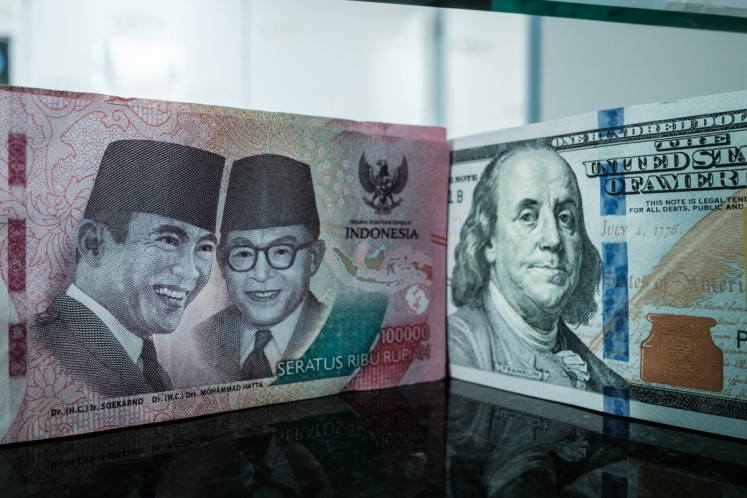
Stabilizing the Indonesian rupiah involves costs and risks that are spread across various stakeholders. Bank Indonesia's recent rate hikes and monetary policy tools raise questions about who bears the brunt of these stabilization efforts.
Elevating the benchmark interest rate to 6 percent reflects BI's commitment to currency defense, but the cumulative 125 basis points increase since May reveals the steep price for investors. Higher borrowing costs burden businesses, especially those reliant on foreign currency loans.
Households feel the impact through inflation, which hit 3.23 percent in October. While a weaker rupiah boosts export competitiveness, lower-income families struggling with imported essentials may not reap these gains. The cumulative costs of stabilization extend beyond financial markets, affecting sectors dependent on imported inputs.
The right policy mix for currency stability must weigh these distributional consequences against effectiveness in maintaining monetary stability. Shareholders, businesses, and households each face different implications of BI's efforts to stabilize the rupiah.
Rewritten by urgent.news; may contain errors — check the original.
Source: thejakartapost.com
Other reports of this story
- Who bears the cost of stabilizing the rupiah? thejakartapost.com