What the Rohingya and Gambia Proved in The Hague
While powerful governments are trying to shield themselves and their allies from scrutiny, Gambia won a measure of justice for the Rohingya of Myanmar.
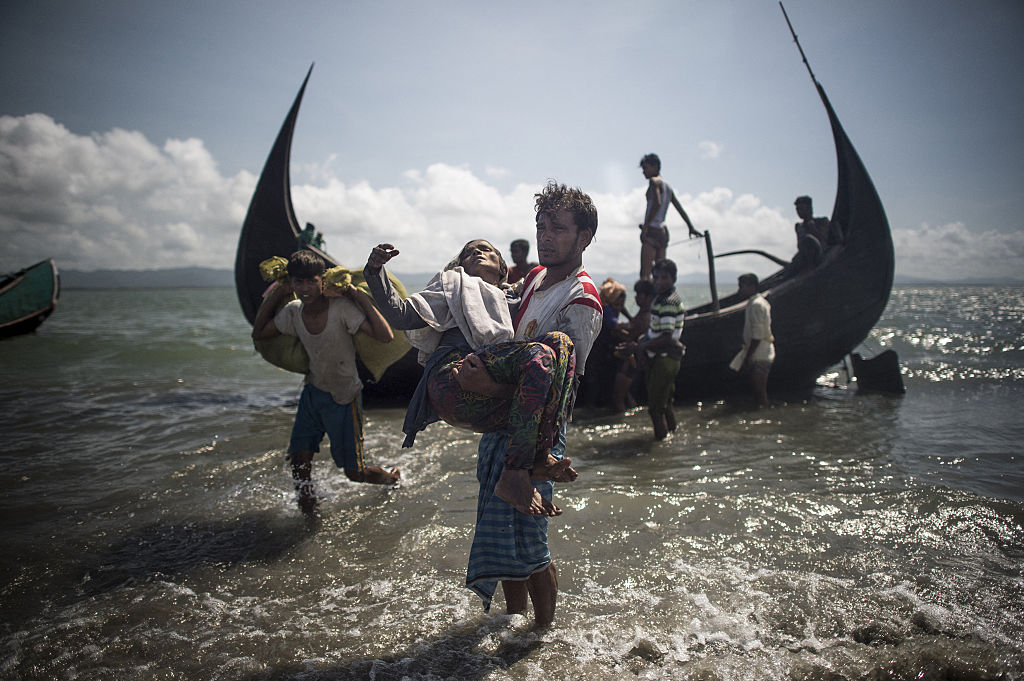
In early 2019, a Human Rights Watch employee proposed a novel idea to diplomats and national officials: could a country party to the Genocide Convention compel Myanmar to face justice before the International Court of Justice (ICJ) for the atrocities committed against the Rohingya? While diplomats scoffed at the notion, Gambia's Attorney General, Abubacarr Tambadou, discovered a deeply personal connection to the cause while visiting a refugee camp in Bangladesh.
His experience as a prosecutor at the International Criminal Tribunal for Rwanda fueled his determination to file a case against Myanmar.
Gambia's case before the ICJ drew on an array of evidence, including testimony from Rohingya survivors and accounts from former Myanmar soldiers, satellite imagery, and UN investigations. The legal standard for proving genocide is extraordinarily high, requiring proof that an individual or group's actions were intended to destroy, in whole or in part, a national, ethnic, racial, or religious group.
Gambia argued that Myanmar's military campaign against the Rohingya in 2017 met this criteria, citing the intentional targeting of civilians, the brutality of the attacks, the use of sexual violence, and decades of discriminatory policies.
On Thursday, the ICJ delivered a landmark decision, ruling in favor of Gambia's claims and finding Myanmar responsible for committing genocide against the Rohingya. This historic ruling marks the first time the Court has attributed direct responsibility for genocide to a state and is expected to have far-reaching implications for the interpretation of the Genocide Convention and future cases of genocide in international law.
Rewritten by urgent.news; may contain errors — check the original.
Source: time.com