'We're going to keep it all in this country': Trump looks to ban US firms building AI data centers in foreign countries
By keeping US-controlled data centers in the US, it means Chinese companies would be less able to rent otherwise-banned compute.
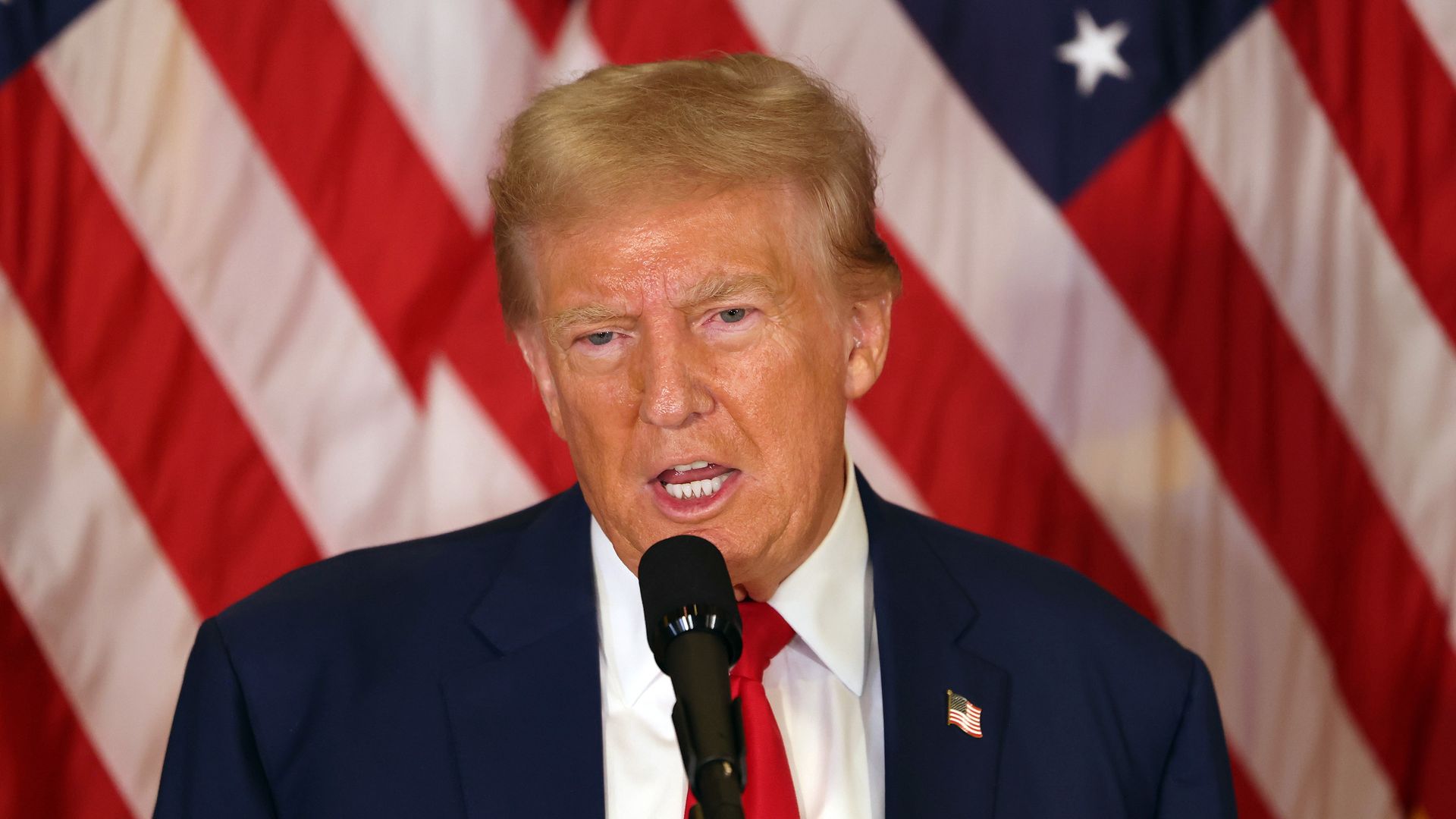
US President Donald Trump has announced his plans to restrict US AI data centers from operating outside of the country, in an effort to maintain greater control over the technology. Speaking at a press conference, Trump hinted at potential penalties for US tech companies that continue to build data centers abroad, declaring, "we're going to keep it all in this country."
The threat of a "tremendous tax" is merely a warning at this point, as no formal policies have been implemented yet. However, Trump acknowledged that he has not discussed the proposal with officials beforehand, leaving the implementation and potential tax rate uncertain.
Currently, the US already restricts the export of certain advanced AI chips and components to China. Nevertheless, Chinese companies have been circumventing these limitations by renting computing capacity from overseas data centers. By maintaining AI data centers within the US, the country could further enforce its restrictions and potentially strengthen its efforts to ban the infrastructure.
Major US tech companies, such as Google, Meta, and Anthropic, have already expressed intentions to expand their operations internationally. Google, for instance, announced plans to invest $15 billion in Finnish AI infrastructure. While these measures could help the US maintain control over its own infrastructure, they may also have unintended consequences for customers of these tech vendors.
Global sovereignty requirements, particularly in Europe, pose potential conflicts as hyperscalers must keep facilities within the US to comply with Trump's order. The shift in expansion strategies could lead to increased costs for customers and possibly result in the loss of international customers. For now, Trump's comments remain a warning, but any formal restrictions could have far-reaching effects on the tech industry and global infrastructure.
Rewritten by urgent.news; may contain errors — check the original.
Source: techradar.com