Villar files bill to curb AI misuse, protect Filipinos from deepfakes
MANILA, Philippines — Sen. Mark Villar filed a measure seeking to curb the malicious use of artificial intelligence (AI), particularly deepfakes, and hold perpetrators and digital platforms accountable for abuses involving AI-generated and manipulated content. Senate Bill No. 2620, or the proposed “Kontra Malisyosong AI Act,” seeks to regulate the creation, disclosure, and distribution of…
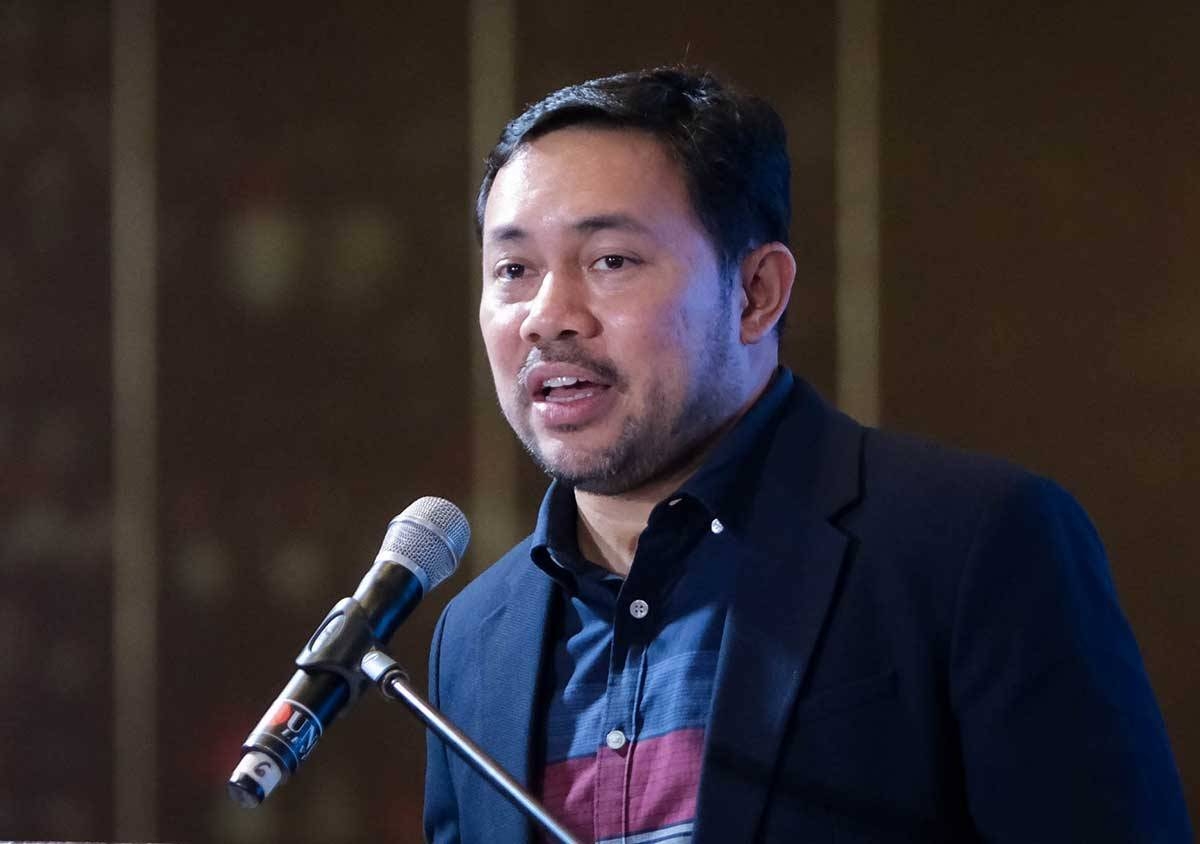
Manila, Philippines — Senator Mark Villar introduced a bill aimed at curbing the misuse of artificial intelligence (AI), particularly deepfakes, and ensuring accountability for those responsible for abusing AI-generated content. Senate Bill No. 2620, dubbed the "Kontra Malisyosong AI Act," focuses on regulating the creation, disclosure, and distribution of AI-generated and manipulated media, especially deepfakes that manipulate a person's appearance, voice, likeness, and other personal features.
Villar, who served as the principal author of the Anti-Financial Account Scamming Act (AFASA), highlighted the increasing danger of AI-driven cybercrime, which enables fraudsters to generate realistic images, videos, and voice recordings to impersonate trusted individuals like family members, public officials, and business leaders.
These manipulated contents can be used for financial scams, phishing, identity theft, harassment, defamation, and unauthorized distribution of explicit material. Villar emphasized that technological advancements should not be exploited to steal someone's identity, tarnish their reputation, or jeopardize their livelihood. Key provisions in the bill include mandatory disclosure of AI-generated or manipulated content when distributed.
Audiovisual materials must display written and verbal notices indicating their AI origin or alteration, while audio-only content requires a verbal disclosure, and visual-only materials must have a visible notice throughout the presentation. The bill also mandates prior written or digital consent for creating, producing, or distributing deepfakes of real individuals if there is a reasonable risk of causing harm, deception, harassment, intimidation, distress, or exploitation.
This requirement applies to unauthorized commercial, advertising, endorsement, sexual, pornographic, political uses, and impersonation for scams, phishing, identity theft, and other fraudulent activities. Victims can file complaints, demand removal of offending materials, seek compensation for damages, and request injunctions to prevent further dissemination.
Violators who do not comply with disclosure rules or intentionally remove, alter, or tamper with mandatory disclosures may face fines ranging from P200,000 to P300,000. Those who maliciously create, produce, or distribute deepfakes without proper consent could be sentenced to two to four years in prison and fined between P250,000 and P500,000, or both.
For child victims, the penalty is eight to 12 years in prison and a fine between P500,000 and P1 million. Digital platforms that fail to remove offending content within 24 hours may be fined P200,000 for the first offense and P300,000 for each subsequent violation. Villar stressed the importance of discernment when consuming information online and warned against blindly believing or sharing content without verifying its accuracy.
Rewritten by urgent.news; may contain errors — check the original.
Source: manilatimes.net