UNICEF urges Kenya to protect children’s budgets amid foreign aid cuts
NAIROBI, Kenya, Nov 23 – The United Nations Children’s Fund (UNICEF) has urged national and county governments to protect funding for education, healthcare, child protection and social protection amid declining…
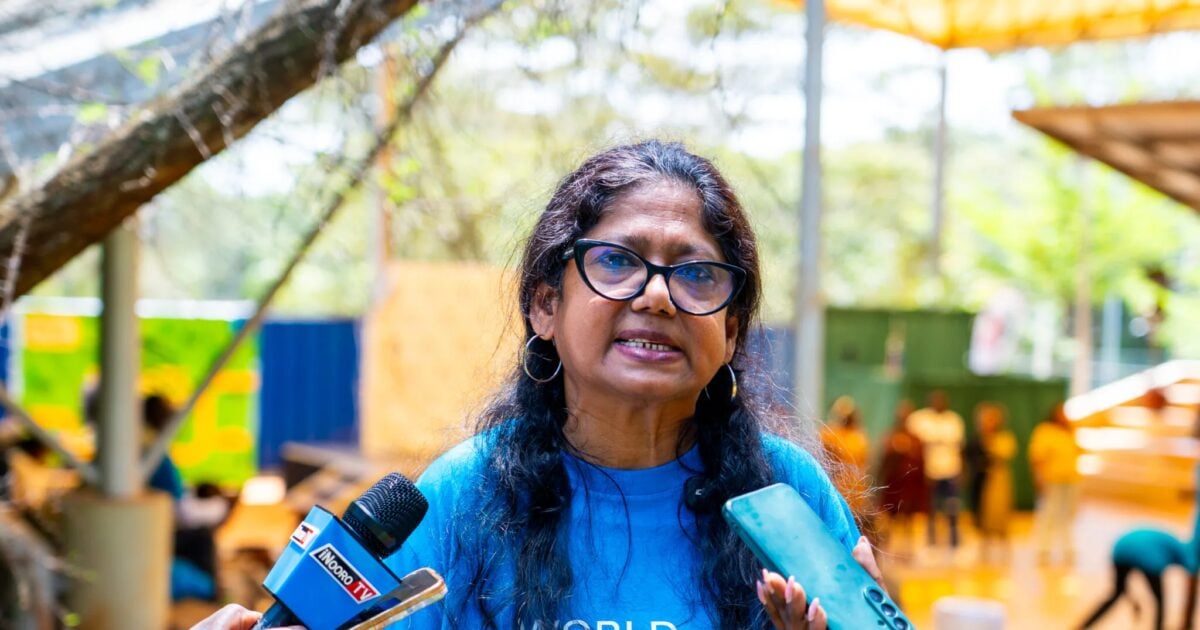
On World Children's Day, the United Nations Children's Fund (UNICEF) has called upon Kenyan governments at both the national and county levels to safeguard funding for critical areas such as education, healthcare, child protection, and social welfare. Dr. Shaheen Nilofer, the UNICEF Representative to Kenya, emphasized during the celebrations held at the United Nations Office in Nairobi on Friday, November 20, that protecting children's budgets is essential to ensuring vulnerable children do not face increased risks.
Nilofer stressed that investing in children is not complicated, and funds can be reallocated and reprioritized. She warned that reduced international aid, which is already declining, could disproportionately affect children experiencing poverty, disability, and limited access to essential services, putting them at greater risk of exploitation and harmful work.
Protecting budgets for education, healthcare, child protection, and social assistance programs, including support for orphans and vulnerable children, is crucial, she urged.
Governments must balance infrastructure investments with services directly benefiting children, especially those from disadvantaged households. County assemblies should prioritize children when approving budgets, Nilofer added, highlighting the importance of centralizing children's needs in budget allocations. She cited counties like Mandera and Turkana, where poverty, disability, and other disadvantages can overlap, limiting access to essential services.
Concerning declining international funding, Nilofer noted that UNICEF is collaborating with governments and development partners to explore ways to sustain essential services. She added that the private sector also plays a role in supporting children-focused programs, while governments need to enhance domestic resource mobilization to lessen reliance on foreign assistance.
Despite challenges, Nilofer acknowledged Kenya's progress in education, healthcare, and efforts to address harmful practices affecting children, including improvements in school enrolment, maternal and child health. However, she cautioned that recurring emergencies such as droughts, floods, and disease outbreaks continue to undermine progress and put additional pressure on services for vulnerable communities.
The situation is further complicated by persistent inequalities in access to basic services among children in Kenya, particularly in rural areas where poverty and limited access to healthcare, education, and adequate housing remain challenges for their welfare. Earlier this month, Kenya signed the Intergovernmental Declaration on Children, Youth and Climate Action, committing to placing children's rights and needs at the forefront of climate policies and investments.
On Friday, children and their caregivers participated in World Children's Day celebrations under the theme “My Day, My Rights, My Future.” Activities included a treasure hunt, games, and interactive sessions to raise awareness about children's rights, with 12-year-old Raziel expressing his appreciation for learning about his rights. Parents and guardians, including Nyagwaga Luoch Koriom, emphasized the importance of education, basic needs, and protection from abuse, urging communities to take action against mistreatment.
Rewritten by urgent.news; may contain errors — check the original.
Source: capitalfm.africa