UN climate meltdown raises new doubts about talks
The collapse of UN climate talks without an overarching deal is deepening doubts about the effectiveness of these summits — and bringing fresh calls for a shakeup. Why it matters: Warming is on pace to far exceed the Paris Agreement target of holding long-term temperature rise under 2°C above preindustrial levels — and the more ambitious 1.5°C goal has slipped away . 🏃 Catch up quick: The COP31…
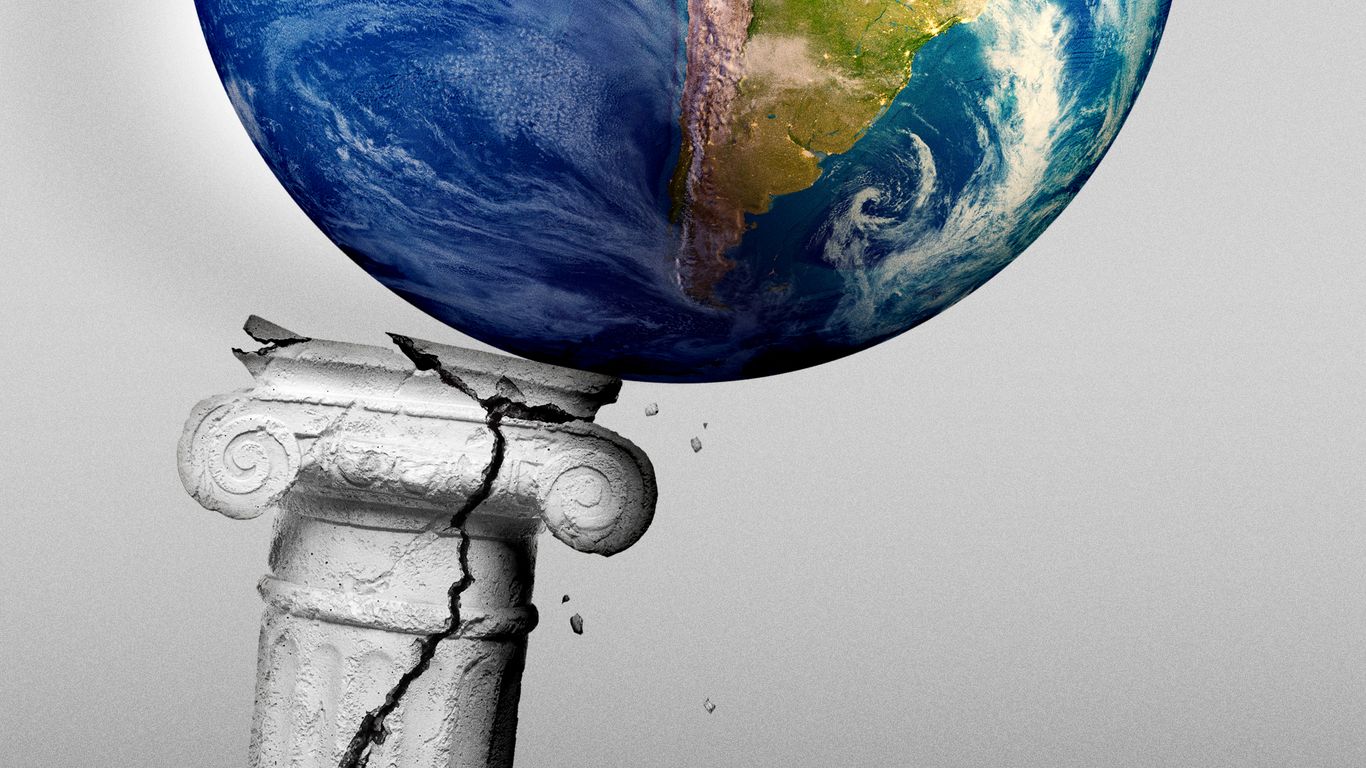
The collapse of UN climate talks without a comprehensive agreement is intensifying skepticism about the efficacy of these international summits and fueling calls for fundamental changes. Warming is projected to surpass the Paris Agreement's 2°C target, let alone the more ambitious 1.5°C objective, which has receded. The COP31 talks in Turkey concluded on Sunday without a high-level "cover decision" encompassing broad agreements and goals.
Vulnerable island nations and the European Union, among others, criticized a draft deal following a block by oil-producing countries from explicitly endorsing a shift away from fossil fuels. Concerns also arose over proposed language endorsing carbon capture as a significant climate solution. Discussions on finance also fell short of expectations, with climate think tank E3G noting "little or no new and additional money reaching the table."
The state of affairs underscores criticisms that the long-standing summit process, which produced the 2015 Paris agreement, may not be suitable for driving policies that meet the scale of the challenge. As the talks concluded, UN climate chief Simon Stiell, according to Reuters, announced steps to engage external knowledge leaders to advise on potential reforms.
However, fundamentally altering the process that requires consensus is considered a formidable challenge. On a positive note, some progress was made at COP31, with procedural improvements on the "Just Transition Work Programme" and widespread endorsement of a pledge to increase electricity's share of global energy use to 35% by 2035 from 23% currently.
The failure of COP31 came shortly after the Senate passed a permitting bill to facilitate renewable and fossil fuel projects, highlighting a divide among advocates regarding the COP process versus pragmatic steps to accelerate clean energy growth. Some activists argue that COP31's failure to directly confront fossil fuels and the need for binding policies is a significant failure, while others see finer-grained reforms as the real action needed.
One climate economist said the lack of consensus at COP31 might be a blessing in disguise, potentially dissuading people from expecting unanimous agreement on symbolic statements. Ongoing developments will be crucial in determining whether these COP summits undergo significant changes.
Rewritten by urgent.news; may contain errors — check the original.
Source: axios.com