Turkish heiress paid former prince Andrew 750 pound 'bribe', UK court told
A lawyer for the Turkish heiress's former adviser says the payment to Andrew Mountbatten-Windsor "was a bribe, either for assistance with her passport or her UK residency".
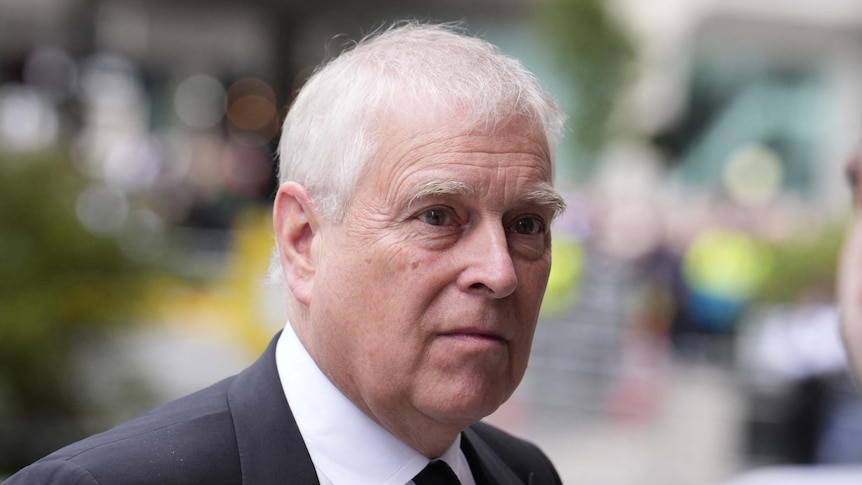
London: The High Court in Britain heard on Monday that former prince Andrew received £750,000 ($976,000) from a Turkish heiress, Nebahat Isbilen, to assist her, according to the legal filings. This alleged "bribe" is part of a civil trial between Isbilen and her former adviser, Selman Turk, who denies the allegations of misappropriating funds.
Isbilen, whose family runs the Evyap soap and cosmetics group, claims Turk sent around £2 million to a company called Alphabet Capital, with some of the funds being transferred to Andrew and his ex-wife, Sarah Ferguson. Isbilen alleges Turk lied to her about the purpose of the £750,000 payment to Andrew. However, Turk's lawyer, Joshua Hitchens, asserts that Isbilen understood the payment was a bribe, either for assistance with her passport or UK residency, and that it was a gift meant to help her husband's case.
The former prince, now known as Andrew Mountbatten-Windsor, is due to testify on December 14, after the judge permitted Turk to issue him with a witness summons.
Rewritten by urgent.news; may contain errors — check the original.
Sources: scmp.com · gulfnews.com · bbc.co.uk · abc.net.au · freemalaysiatoday.com
Also reported by 4 other outlets
- Ex-prince Andrew received £750,000 ‘bribe’ over Turkish heiress, UK court told gulfnews.com
- Ex-prince Andrew took ‘bribe’ to help Turkish heiress, says UK court freemalaysiatoday.com
- Andrew Mountbatten-Windsor received £750,000 from Turkish millionaire, court told bbc.co.uk
- UK’s former prince Andrew took ‘bribe’ to help Turkish heiress, UK court told scmp.com