The Trouble With Continuous Personal Growth
Grundini/Ikon Images For four decades, I have studied work and working lives. During that time, I have watched assumptions that once seemed secure begin to unravel: that work happens in one location; that expertise accumulates steadily; that a career unfolds within one organization; that working life has a beginning, middle, and end. The pandemic, longer […]
Over the past four decades, work has undergone remarkable transformations, challenging long-held assumptions about the nature of careers. The pandemic, increased life spans, and advancements in artificial intelligence have accelerated these changes, making adaptability a crucial skill. However, cultivating the ability to embrace renewal isn't always easy.
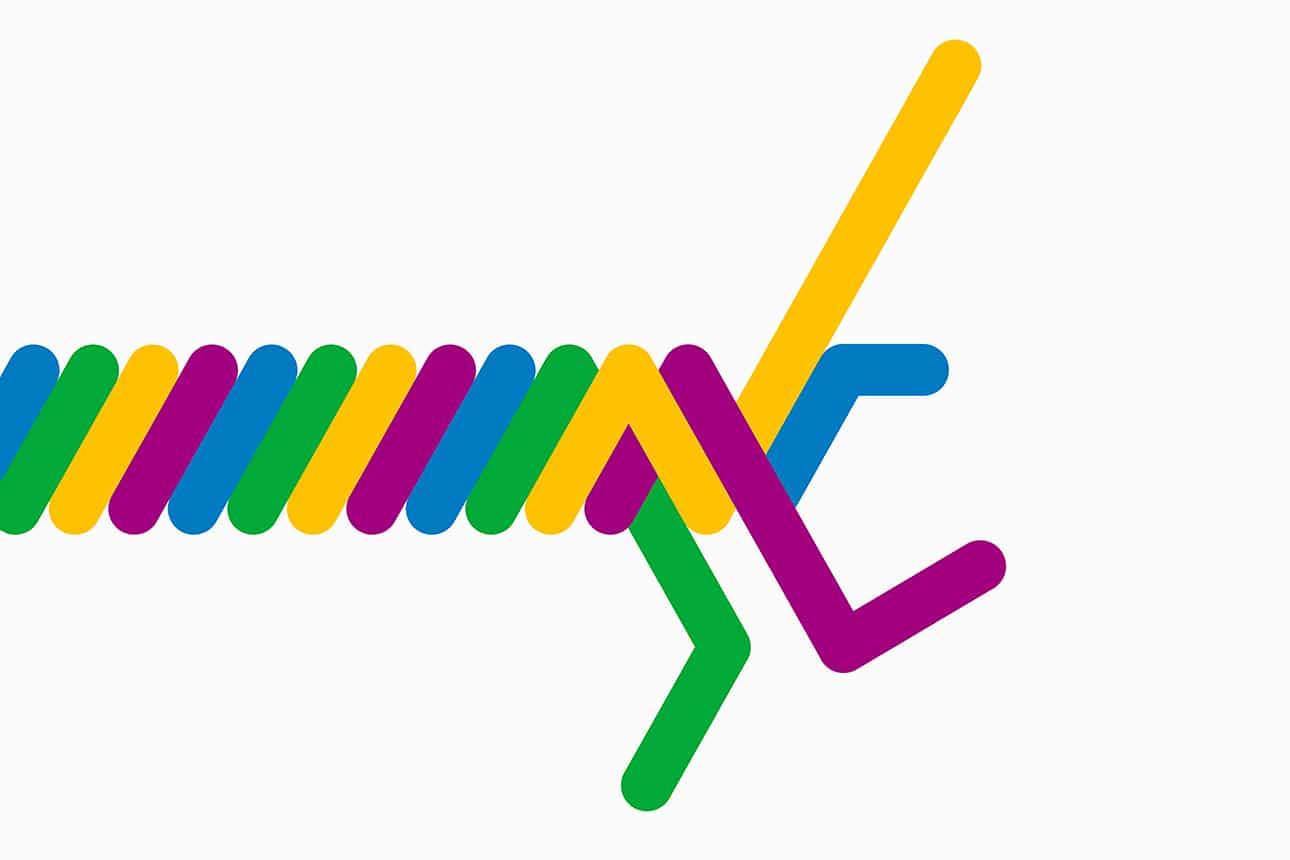
To explore this concept, an author has delved into the idea of a working life as a woven object, supported by eight "threads" that contribute to both productivity and personal well-being.
The first insight from the author's diagnostic survey of over 550 respondents is that many people are actively adapting to these changes. Three threads—Mastery, Knowing, and Amplification—are particularly strong, indicating that individuals are building expertise, reflecting on their values, and learning to work alongside new technologies.
For Mastery, 80% feel absorbed when deepening their expertise, and 77% believe they have developed distinctive capabilities. In Knowing, 89% express curiosity about themselves and the world, and 83% are learning to engage with diverse perspectives. For Amplification, 77% are experimenting with new tools to analyze information and make decisions.
Despite these strengths, the second insight reveals that capability alone does not guarantee ongoing renewal. While many people make efforts to develop their skills, only a portion do so consistently. For Mastery, 72% make intentional efforts but not as a habit, and 39% report their development has slowed despite continued success.
Similarly, 37% of individuals intend to reflect on their values but often fail to follow through. For Amplification, 74% use technology inconsistently, often defaulting to familiar uses instead of pushing their thinking. These findings suggest that renewal requires more than just capability; it demands consistent practice and intentional effort.
The third insight highlights two obstacles to renewal: Calm and Adventure. Calm provides the steadiness and space needed to notice and reflect on experiences, while Adventure encourages individuals to encounter new roles, routines, and assumptions. When either of these threads is underdeveloped, it becomes more challenging to turn established capabilities into continued growth and to encounter fresh insights that can evolve into practice.
According to the survey, Calm was the weakest thread among respondents, with 18% finding it fragile and in need of deliberate care. This may explain why renewal doesn't always translate into action, as people require a degree of calm for change to settle in. In an era where working lives are increasingly organized around constant change, maintaining both Calm and Adventure becomes crucial for sustaining long-term growth and adaptability.
Rewritten by urgent.news; may contain errors — check the original.
Source: sloanreview.mit.edu