The spy who loved change: What James Bond can teach brands about the art of reinvention
The greatest strength of the James Bond brand isn’t its consistency. It’s its ability to reinvent itself while remaining unmistakably Bond. With Robert Pattinson confirmed as the next 007, the debate has inevitably turned to whether he’s the right man for the role . But I think there’s a much more interesting question. What should Bond represent today? The best brands know when to change James…
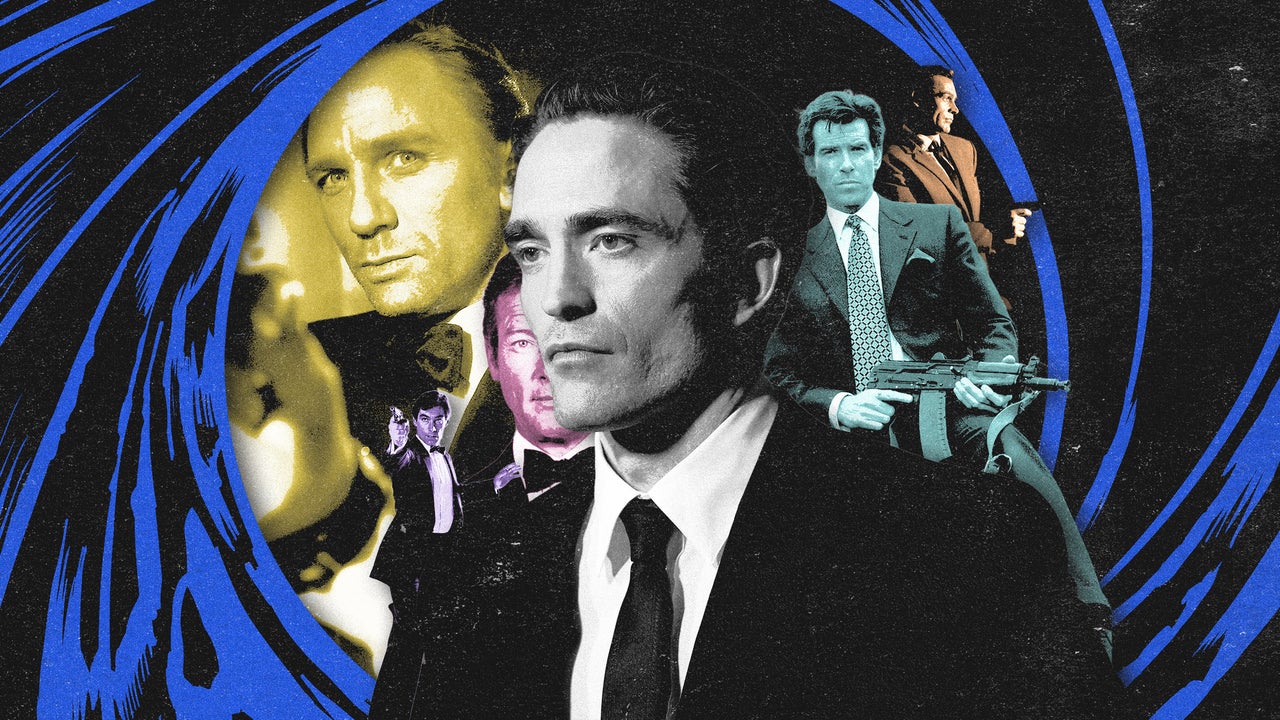
The enduring appeal of the James Bond brand lies not in its consistency, but in its remarkable ability to reinvent itself while staying unmistakably Bond. As Robert Pattinson is set to take on the role of 007, a more pressing question arises: what should Bond represent in today's world? Iconic brands understand when to change, and James Bond has certainly undergone significant transformations over the years.
Ian Fleming's original character was a ruthless, brutish figure, far removed from the sophisticated Bond we are familiar with today. Over time, each generation has reinvented him, bringing their own unique traits to the role.
Sir Sean Connery gave Bond a working-class edge, while Roger Moore introduced humor and extravagance. Pierce Brosnan brought a polished, almost parodic quality to the character. And Daniel Craig stripped away much of the glamour, creating a more grounded, vulnerable, and human version of Bond. The transition from Brosnan to Craig was particularly striking, challenging audiences' expectations and making Bond more relevant than ever.
This dynamic illustrates a crucial lesson for brands: heritage should empower forward movement, not turn them into a museum of the past.
Despite the multitude of brand assets associated with James Bond - from cars and gadgets to suit and theme music - none of these elements define Bond alone. The franchise has consistently reinterpreted these elements to mirror evolving ideas of technology, sophistication, and masculinity, all the while maintaining its core identity. Bond's gadgets, for instance, evolved from practicality to fantasy in the Brosnan era, then back to practicality in Craig's hands.
The franchise's villains have also evolved to reflect changing times. From the Cold War setting of films like "From Russia, With Love" to the cyberterrorism threat explored in "Skyfall," the villains have mirrored the era's concerns. Similarly, the franchise's take on sexual politics has transformed. Honey Ryder's emergence in "Dr.
No" contrasts with Daniel Craig's romantic conquests in "Casino Royale," where characters are portrayed as professional equals. Even the portrayal of M by Judi Dench in "GoldenEye" signaled an early recognition that even Bond's most established behaviors could be challenged as societal norms evolved.
Louis Vuitton serves as an exemplary brand that understands this distinction. Founded in 1854 as a trunk maker, the company could have become outdated as travel needs changed. However, it expanded into handbags, fashion, and accessories while preserving its association with craftsmanship, luxury, and the romance of travel. The brand's distinctive monogram, originally developed for its luggage, has become one of the most recognizable symbols in luxury.
Louis Vuitton didn't need to continue manufacturing trunks to maintain its identity; it recognized what made the brand valuable and found new ways to express it. This ability to protect what makes a brand distinctive without preserving everything exactly as it was is the true difference between recognizability and relevance.
Rewritten by urgent.news; may contain errors — check the original.
Source: fastcompany.com