The Inconvenient Truth: We are building Heaven for the few on the foundations of Hell for the many
Humanity has mastered the art of accumulation while quietly forgetting the arithmetic of conscience. The question is no longer whether we can create wealth, but whether we can create it without manufacturing misery for those who never agreed to pay its price.
Humanity has become skilled at accumulating wealth, but often overlooks the moral consequences. The key question is not simply whether we can create wealth, but whether we can do so without inflicting hardship on those who did not consent to pay its price. Consider two children born in proximity, one in a private hospital surrounded by luxury and prepared for a life of ease, the other in a community lacking basic necessities like clean water and access to medical care.
Neither child chose their circumstances, yet their destinies diverge sharply, with one potentially enjoying a life often described as "heaven" while the other endures a life that feels more like "hell." The source highlights the words of NyansaKasa: "When possessions become more valuable than people, wealth builds comfort for a few while quietly manufacturing suffering for many."
In the business world, one observes leaders who acquire lavish possessions, such as a fifth luxury car, while their employees have gone unpaid for months. The message is clear: patience and humility are virtues, but when such virtues are displayed by those who have benefited from others' labor, it raises questions about the moral implications of such actions.
This scenario is not an indictment of wealth or ambition itself, but rather a warning that when riches are amassed without regard for those who contribute to them, the foundations of a just society are compromised.
Materialism leads to a psychological trap wherein the more one accumulates, the less satisfied they often become. This relentless pursuit of more often comes at a significant cost, both personally and collectively. Oxfam reported in 2026 that billionaire wealth had surged by over 16 percent, reaching a record $18.3 trillion. This increase, while remarkable, could have alleviated extreme poverty 26 times over, had it been distributed more equitably.
The source reminds us that not all fortunes are earned through nefarious means, but when a small segment of the population amasses vast wealth while the majority remain impoverished, there must be a moment of introspection.
The disparity between wealth and poverty is starkly evident in Africa, where the Democratic Republic of Congo extracts vast quantities of cobalt, essential for modern technology, yet the majority of its citizens live in extreme poverty. According to UNCTAD, nearly $88.6 billion annually leaves Africa in illicit financial flows, a sum nearly equal to the total foreign aid and investment received by the continent.
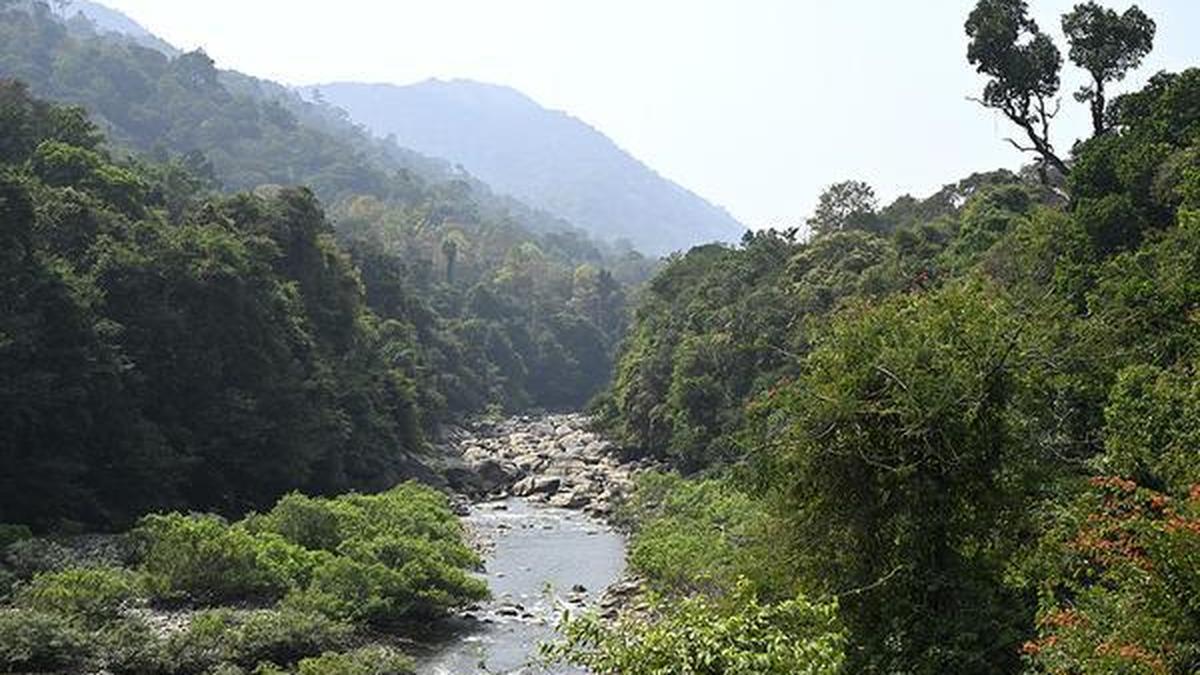
In Ghana, illegal mining operations have not only tarnished local rivers but also jeopardized the livelihoods of those who depend on agriculture for survival.
The source draws attention to the systemic nature of greed, which, left unchecked, can seep into the very institutions meant to serve the public good. A new public school, for instance, might be inaugurated with grand ceremonies, only to deteriorate within a few years due to neglect and corruption. Corruption, as explained by NyansaKasa, is not just an accounting issue but a systematic erosion of safety, opportunity, and dignity for the average citizen, transferred to a privileged few.
Directors and board members are often tasked with overseeing corporate strategy, risk management, and sustainability. However, a single-minded focus on financial performance can obscure more profound ethical considerations. A company might enjoy robust returns for shareholders while simultaneously compromising worker safety, underinvesting in employee development, and delaying environmental responsibilities.
These practices not only accumulate reputational and regulatory risks but also pose long-term financial threats as consequences catch up with negligent actions.
Rewritten by urgent.news; may contain errors — check the original.
Source: myjoyonline.com