The History of the First Study on the Sex Lives of Women
Imagine yourself as a well-to-do white woman in 1921. In your experience, sex and reproduction are discussed in hushed tones, or not at all. Thus, you are surprised when you open the mailbox to find a letter from the Bureau
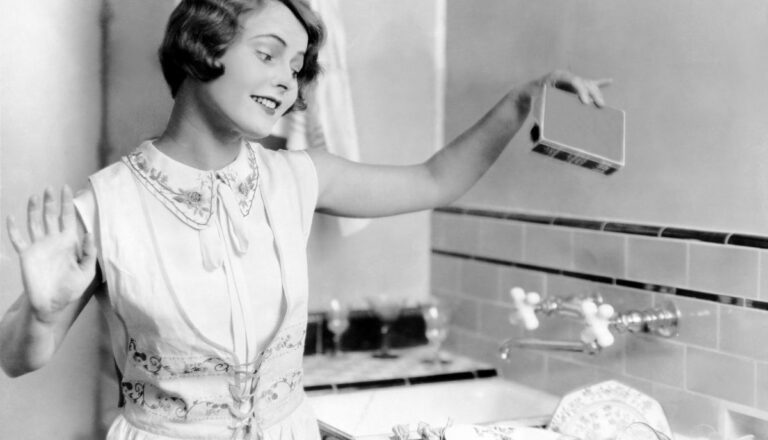
In 1921, a well-off white woman received a letter from the Bureau of Social Hygiene in New York City, inviting her to participate in a sociological study on sex. The Bureau aimed to incorporate "wise education in matters of sex" into general education. Intrigued yet hesitant, she decided to cooperate. The Bureau's General Secretary, Dr. Katharine Bement Davis, a renowned social scientist and social reformer, signed the letter.
Despite the study's significance, Davis faced resistance due to the stigma surrounding sex. Her study, Factors in the Sex Life of Twenty-Two Hundred Women (1929), marked the first large-scale examination of women's sex lives in modern America. Despite the taboo on openly discussing sexuality, Davis sought input from "the average woman" to dispel confusion and promote a more accurate understanding of female sexuality.
Rewritten by urgent.news; may contain errors — check the original.
Source: lithub.com