The Failed U.N. COP31 Deal Reveals a New Reality for Climate Action
Don't confuse the lack of another global accord with the lack of international engagement to tackle climate change.
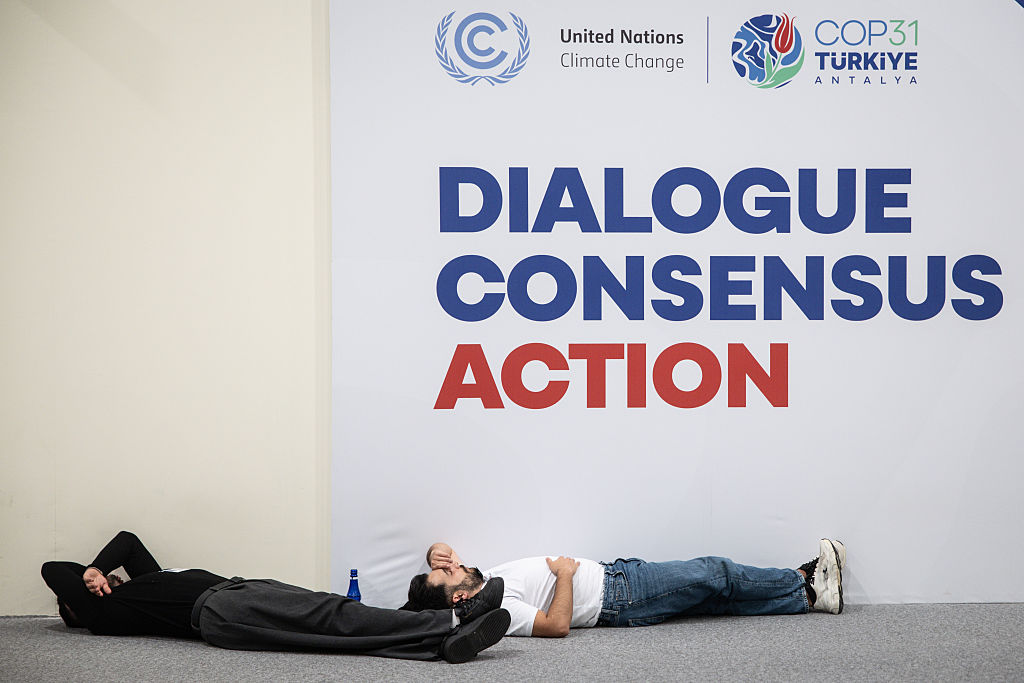
The failed U.N. COP31 climate conference in Antalya, Turkey, has revealed a new reality for global climate action. After 11 years of annual meetings, the world's nations have been unable to reach a consensus on tackling climate change, particularly regarding the phasing out of fossil fuels. While some countries, led by Saudi Arabia and Russia, opposed references to fossil fuel reduction, a coalition of 130 nations, including the European Union, refused to sign the final text without it.
The absence of the Antalya Pact, a supposed alternative agreement, does not mean that international engagement in climate action has ceased; rather, it highlights a shift in priorities and interests. The global climate talks that commenced in the early 1990s, following the collapse of the Soviet Union and the rise of a U.S.-led international order, have seen a significant transformation over the years.
Decades of investments in clean technologies have made them economically competitive, and many countries now prioritize self-interest over global consensus, driven by the advantages of clean technology in mitigating geopolitical risks. Despite the absence of a unified global accord, various countries have implemented policies aligned with their self-interest, such as carbon pricing and renewable energy integration.
The future of climate action may be more akin to the side events at the climate conference rather than the plenary sessions, reflecting the decentralized and fragmented nature of global climate policies. While the lack of a joint statement diminishes the power of the COP process, it also underscores the importance of small countries' voices and the need for continued international collaboration to prevent severe consequences for vulnerable nations.
The COP31 experience serves as a reminder of the ongoing challenges in achieving a cohesive global response to climate change, yet it also presents an opportunity for reinvention and adaptation in the face of a rapidly evolving climate landscape.
Rewritten by urgent.news; may contain errors — check the original.
Source: time.com