The Democratic Party’s Three Conflicting Camps on AI
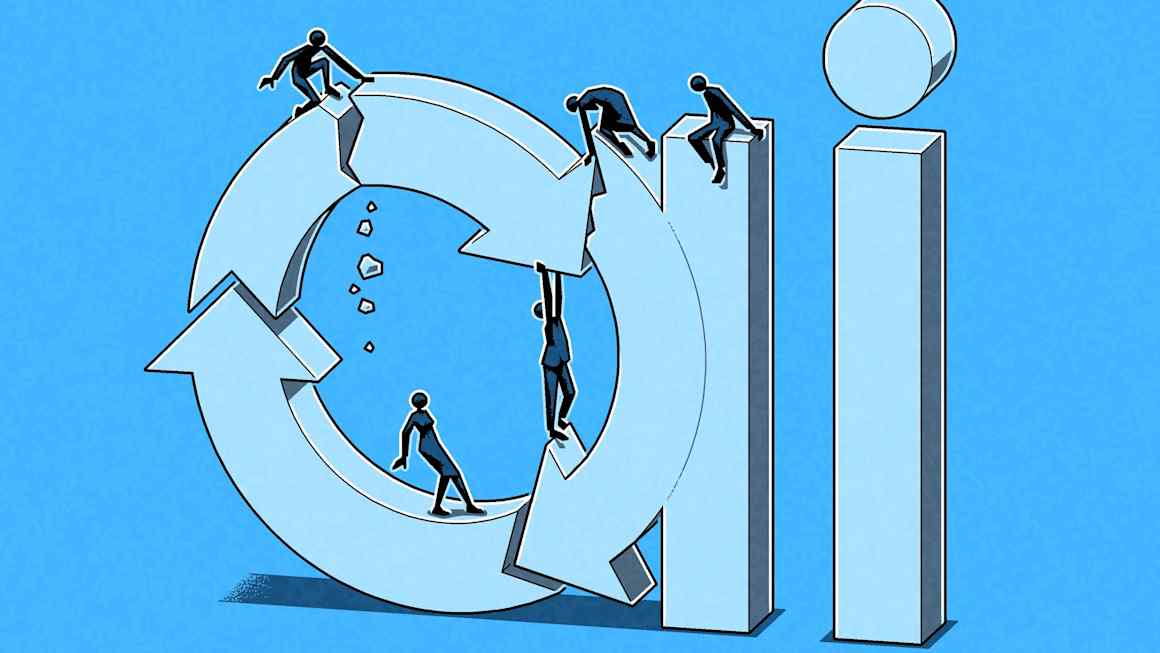
Call them the restrainers, the riders, and the racers.
The recent U.S. midterm elections have brought to light three conflicting factions within the Democratic Party when it comes to artificial intelligence (AI) policy. While Democrats may have gained some political capital by promising to curb AI growth, they now face the challenge of balancing three competing impulses. The first camp, known as the Restrainers, seeks to limit data center expansion while holding AI executives accountable for independent testing and holding companies responsible for any harm caused.
Midterm voters rewarded candidates in this camp, who emphasized opposition to data centers, such as Sherrod Brown in Ohio and Jon Ossoff in Georgia. The second group, dubbed the Riders, prioritize the economic benefits of AI, as it has fueled the U.S. economy and stock market growth. They want to ensure that AI investments continue to support economic growth and retirement savings, urging caution with hearings and disclosure rules but resisting major policy changes that could impact the economy.
Lastly, the Racers are a third faction that emphasizes national security, aiming to keep advanced AI technology and chips away from adversaries like China. Influential senators like Elizabeth Warren and Chuck Schumer support this camp. Yet, the midterms have also introduced a new complication: former CEO of Nvidia, who lost his position amid allegations of a Chinese intelligence operation, adding another layer of complexity to the Democratic Party's AI governance dilemma.
Rewritten by urgent.news; may contain errors — check the original.
Source: foreignpolicy.com