THE CONVERSATION: Freezing leftovers? Why some foods thaw well but others turn to goo
Bulk cooking and freezing your leftovers can be a great way to save money – while also reducing food waste and stocking your kitchen with convenient weeknight meals. But which foods freeze and thaw well, and which end up a soggy mess?
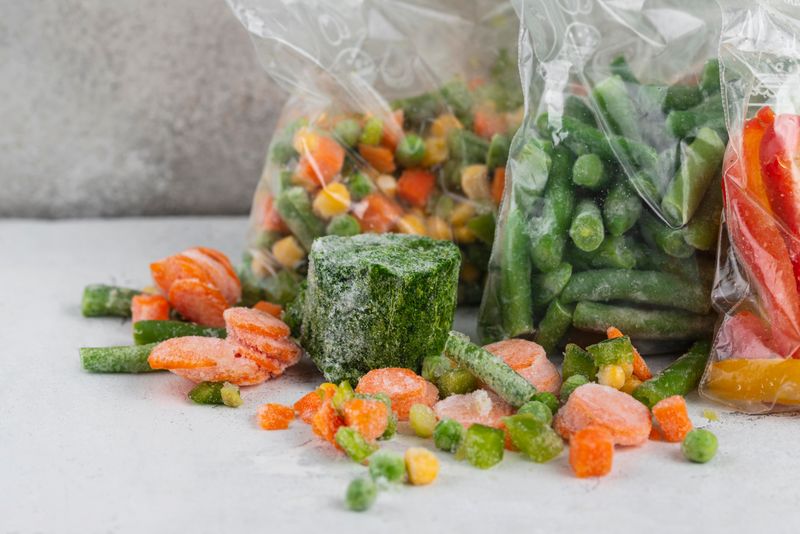
Freezing leftovers can be a smart way to save money and reduce food waste, but not all foods fare well when it comes to freezing. The texture of some foods is compromised upon thawing, turning into a mushy mess. Foods that rely on crispness for their texture, such as cucumbers, berries, and lettuce, tend to freeze poorly. When ice crystals form during freezing, they damage these water-filled cells, causing moisture to leak out and resulting in a soggy texture upon thawing.
Several types of food freeze and thaw well, while others do not. High-fat foods like mayonnaise and cream, as well as certain dairy products, are not good candidates for freezing, as the fat can separate, altering taste and texture. Cooked meat can also become drier after freezing, but dishes containing it, such as sauces or stews, fare better due to the surrounding liquid.
Freezing also doesn't necessarily reduce nutritional value; in fact, frozen fruits and vegetables can retain most nutrients because the freezing process slows chemical reactions that cause nutrient loss over time. To maintain quality, foods should be frozen in airtight packaging as soon as possible after cooking. Larger batches should be divided into smaller containers to promote faster freezing and minimize ice crystal formation, improving thawed quality.
Herbs, especially fresh ones, freeze well and retain flavor, but lose their crisp texture upon thawing, making them better suited for cooked dishes rather than garnishes. Washing and thoroughly drying herbs before freezing them whole, or placing them in ice cube trays with water or oil, is recommended.
To avoid food safety issues, food should be refrigerated or frozen within two hours of cooking. Using multiple smaller containers rather than one large container can help food freeze faster and maintain quality after thawing. Labeling containers with contents and dates can aid in tracking frozen items. Thawing food in the refrigerator, microwave, or during cooking is safer than thawing at room temperature, and food thawed safely in the refrigerator can generally be refrozen, but repeated freezing may reduce quality and increase bacterial growth risk.
Rewritten by urgent.news; may contain errors — check the original.
Source: dailymaverick.co.za