South Korea’s Asset-Market Strategy Under Fire as Stocks and Property Weaken
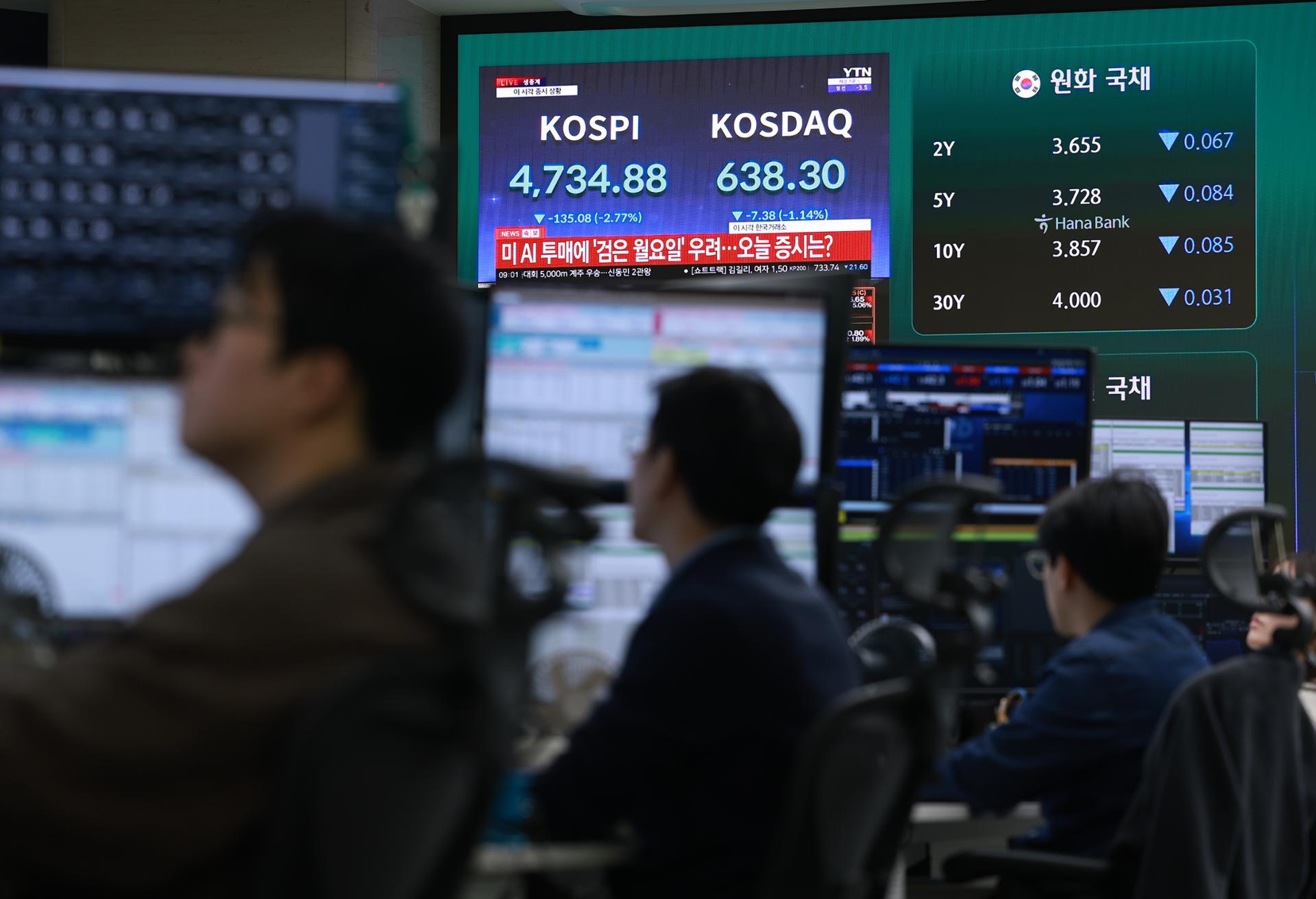
The U.S.-led tech stock rout has sent shockwaves through South Korea’s equity market, raising questions about the effectiveness of the government’s market stabilization measures. Critics say the government’s strategy of curbing the real estate market to channel capital into financial markets is now
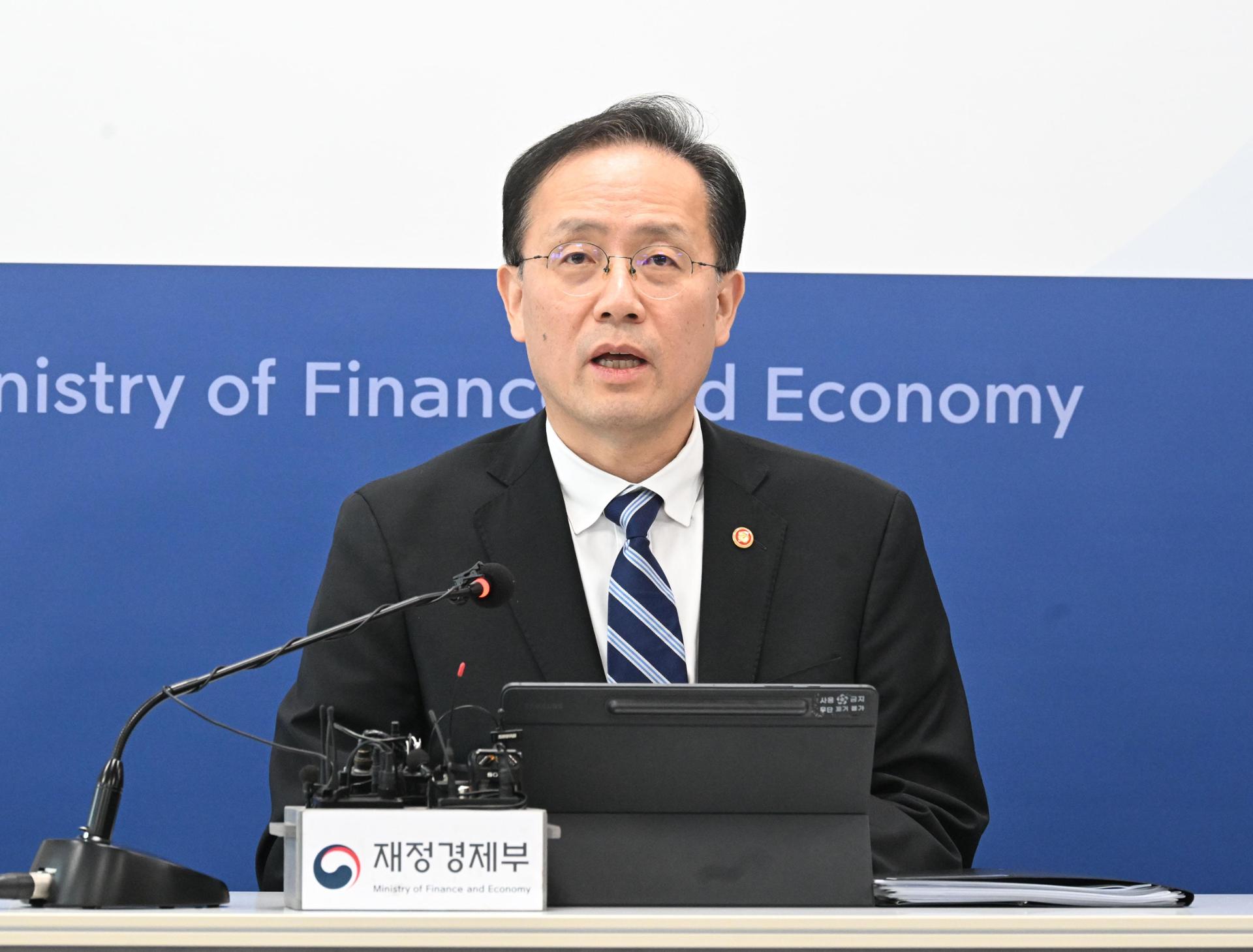
South Korea's equity market has been shaken by the recent U.S.-led tech stock rout, prompting doubts about the government's asset-market stabilization strategy. Officials convened the F4 Meeting on Nov. 22 to announce a package of measures, including preparations for activating the Securities Market Stabilization Fund and easing daily limits on treasury stock buyback orders.
However, critics argue that the government's approach has been insufficient, as evidenced by the KOSPI's 4% intraday decline on Nov. 23 and the KOSDAQ's 5.71% drop. The market's volatility has also caused U.S. markets to suffer, with the Nasdaq Composite falling 5.28% and Nvidia shares dropping 14.01%. South Korea's response has been seen as more restrained than Taiwan's, which introduced tighter short-selling rules and tightened capital requirements.
The Securities Market Stabilization Fund, the government's primary tool for stabilization, has been criticized for its size and activation criteria. At just 0.24% of the KOSPI's total market capitalization, the fund's current committed amount of 10.76 trillion won is deemed inadequate to stabilize a falling market. Additionally, the fund's activation criteria remain unclear, raising doubts about its effectiveness.
Despite these concerns, authorities have not determined a specific timeline for activating the fund and continue to review the necessary procedures.
Rewritten by urgent.news; may contain errors — check the original.
Source: businesskorea.co.kr