South Korea Cannot Police Its Way Out of AI Cheating
The top scorer on the tax exam confessed to AI cheating, and 111 more alleged cases surfaced at the college entrance exam. Given South Korea's exam-heavy education system, it's nothing short of a crisis.
On November 19, South Korea experienced a synchronized ringing of phones across the nation. The government had sent out a nationwide emergency alert, aiming to identify phones used by test-takers who had not turned in their devices. This action was taken following the “Suneung,” or College Scholastic Ability Test, an exam expected to be taken by around 550,000 students.
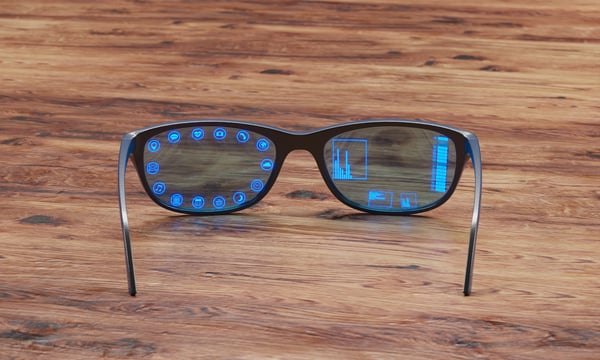
According to the Education Ministry, 111 cases of suspected cheating with electronic devices were detected during the test. Three alerts were issued during the day, exposing 54 of these cases. Five test-takers were found to have used smart devices during the exam; one of them wore smart glasses. Authorities had anticipated such a situation and had prepared by adding 8,400 additional staff to the existing 75,000 proctors at the 1,312 test centers.
These proctors were instructed to inspect glasses and clothing for hidden devices and cover buttons with stickers.
Before the release of scores on December 11, an Education Ministry committee would determine penalties for the 111 cases. Those found guilty of cheating with smart devices could face criminal complaints, and investigations were initiated into two of the five cases. The charges include obstructing official duties by deception, which carries a potential sentence of up to five years in prison.
The government and ruling Democratic Party proposed extending the ban on taking the exam from one year to ten years for those caught cheating with smart devices, and applying the ban retroactively to the current year. If caught, admission at universities obtained through cheating could be revoked, and those already enrolled at a university might be expelled.
This harsher stance stems from a confession made on November 15 by a 34-year-old man named Han Won-seok, who admitted to cheating on both the national exam for tax accountants and a certified public accountant exam using a miniature camera and smartphone to receive answers from artificial intelligence (AI). His confession also involved cheating on a dental student exam.
The state agency handling the tax accountant exam started to cancel his passing status and conducted a review of other national exams. Public distrust shifted to other exceptional results, such as Lee Jin-woo, a 32-year-old dental student at Seoul National University, who scored perfectly on the law school entrance exam, known as the Legal Education Eligibility Test.
This result was met with skepticism due to his low grades on the Suneung for the 2013 academic year and his admission to Korea University for the 2024 academic year. Lee's death was ruled a suspicious case, and while no evidence of cheating against him has been confirmed, the events have raised significant questions about testing in the age of AI and smart devices in South Korea.
Rewritten by urgent.news; may contain errors — check the original.
Source: thediplomat.com