Saudi Arabia’s influence loomed large over failed COP31 deal
Saudi Arabia and fellow Opec members have long opposed climate language targeting fossil fuels, saying they must remain part of the global energy mix.
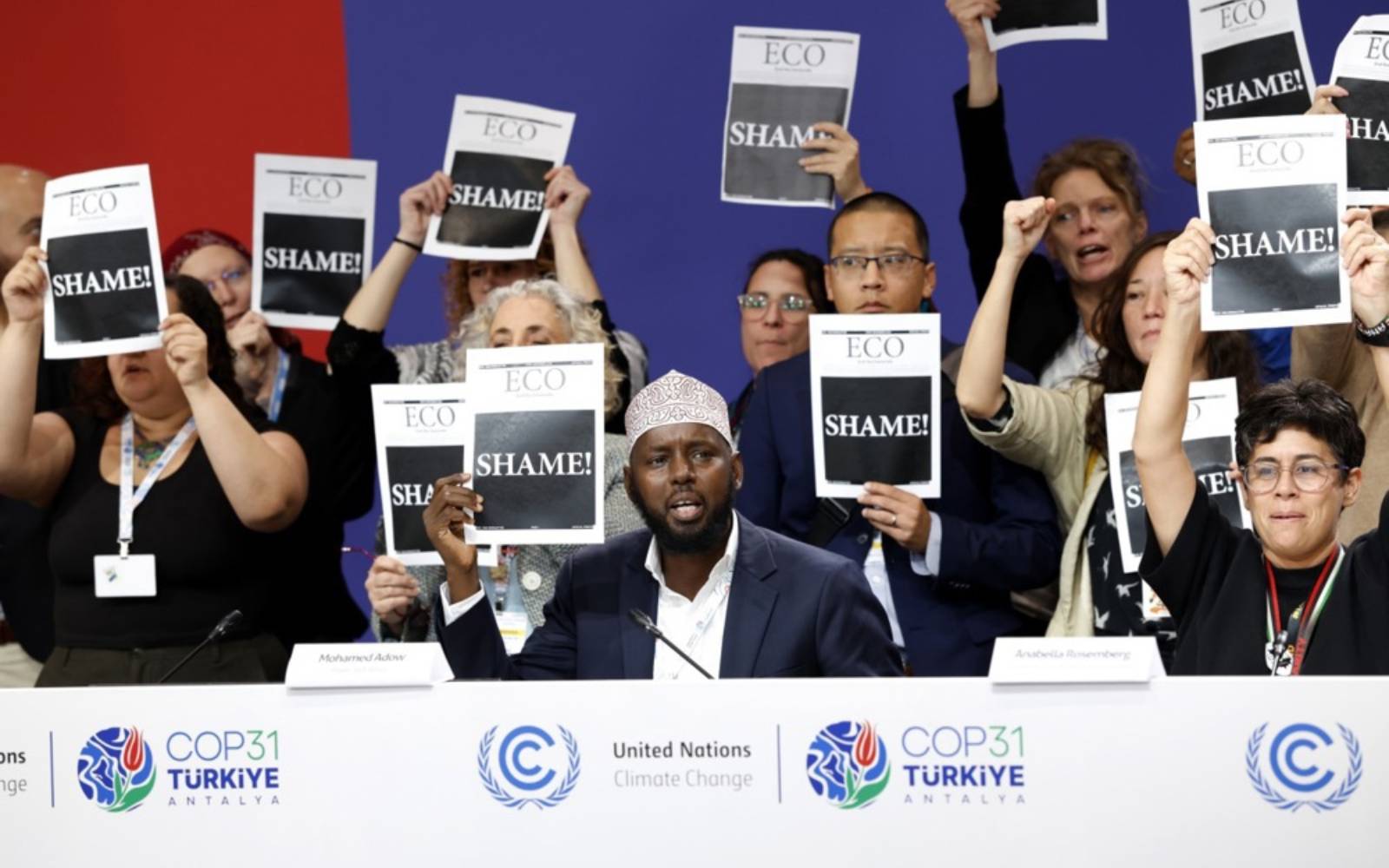
As the COP31 climate conference dragged on into record overtime, a negotiator from a small island nation expressed frustration that a scheduled meeting with the talks' Turkish and Australian presidents had been repeatedly canceled. Saudi officials, however, maintained regular access, granting them outsized influence over the proceedings, according to negotiators from Europe, small island nations, Latin America, Asia, and Africa.
Riyadh was a key player in opposing language aimed at reducing reliance on fossil fuels, which negotiators stated was the primary reason a political agreement could not be reached for the first time since 2009.
European Union, several small island states, and other nations particularly vulnerable to climate change refused to accept a text that did not acknowledge the role of oil, gas, and coal in driving global warming. Ireland's climate minister, Darragh O'Brien, told Reuters on behalf of the EU that they believed the conference had been "hijacked" by oil states, particularly Saudi Arabia.
The Turkish COP presidency denied allegations of preferential treatment, stating that no single group or country had been given special consideration. Saudi Arabia and Australia did not comment on the allegations. Fossil fuels, which have been explicitly mentioned in previous COP texts, were once again a contentious issue at Antalya.
Saudi Arabia and other members of the Organization of the Petroleum Exporting Countries (OPEC) had historically resisted climate language targeting fossil fuels, arguing that they were essential to the global energy mix for the foreseeable future. The absence of active US engagement and the lack of close US-China coordination, which had previously helped broker compromises at COPs, further bolstered Saudi Arabia's position.
Low expectations had been set from the start, with Turkey's pledge to boost global electrification and emphasize the implementation of past climate agreements falling short. As countries grappled with the revised draft cover text that omitted any reference to fossil fuels, Saudi Arabia maintained an intransigent stance, insisting that the text should not mention fossil fuels and should emphasize carbon capture technologies.
The European Union and several small island states hardened their position, pledging to include a transition away from fossil fuels in any deal. A letter, backed by around 130 countries, was drafted and sent to the presidency, demanding mention of fossil fuel transition. Saudi Arabia, along with Chinese and Russian officials, frequently visited the presidency's offices, while other groups struggled to secure meetings.
When the final text was released on Sunday, many countries were outraged. It still lacked any mention of fossil fuels and retained strong language promoting carbon capture. Maina Talia, Tuvalu’s climate minister, remarked that it seemed as though they were negotiating with the Saudis. As the talks neared collapse, delegates departed Antalya to catch flights, with COP31 president Murat Kurum confirming that no agreement could be reached.
Rewritten by urgent.news; may contain errors — check the original.
Sources: freemalaysiatoday.com · japantimes.co.jp · al-monitor.com · rappler.com
This story
This is one outlet's version. Read the fullest account.
- Saudi Arabia’s influence loomed large over failed COP31 deal freemalaysiatoday.com
- Saudi Arabia’s influence loomed large over failed COP31 deal rappler.com
- Saudi Arabia's influence loomed large over failed COP31 deal al-monitor.com
- Saudi Arabia’s influence loomed large over failed COP31 deal japantimes.co.jp