Qatar's conundrum: How the country is aiming to map the future of gas
Sometimes the solution to a problem is to make it bigger. Certainly Qatar seems to believe that. In the face of the blockade of its key trade route , it has moved aggressively to expand its position in the global liquefied natural gas market. LNG tankers slipping through the Strait of Hormuz, mostly from Qatar, picked up to about eight each week in September and October. But that number has now…
Qatar finds itself grappling with an intriguing predicament as it seeks to map the future of gas. Despite the blockade of its crucial trade route, the country has taken bold steps to bolster its position in the global liquefied natural gas (LNG) sector. In September and October, LNG tankers, predominantly from Qatar, averaged eight shipments per week through the Strait of Hormuz.
However, this figure has since plummeted to just two reported shipments last week, owing to intensified Iranian strikes. The most recent attack on a Qatari-owned vessel, the Tara Gas ship, serves as a stark reminder of the peril faced by these expensive and combustible gas carriers.
The looming threat of a major challenge for Doha lies ahead, compounded by its own past actions. A deluge of new LNG supply is set to arrive between 2028 and 2030, primarily from the United States. Qatar's state-owned entity, QatarEnergy, has responded in kind by expanding its own capabilities through the North Field East, South, and West projects.
Upon completion, these projects will nearly double Qatar's existing capacity. Since the onset of Russia's blockade on European gas in September 2021, high prices have suppressed gas demand, while renewables and batteries have gained competitive ground. Notably, several Asian nations have reverted to coal to secure supply stability.
QatarEnergy's hesitance to market its new supplies has been puzzling. The company has been unwilling to sell substantial quantities until the completion of the North Field projects, even as it continued to demand lengthy, multi-decade contracts with unfavorable terms. These contracts often include destination clauses that restrict resale, an arrangement that is legally questionable in Europe and Japan, two of the largest LNG markets.
Additionally, QatarEnergy has held out for premium prices linked to oil, a stance that has proven costly.
The fallout from these decisions has become evident. Poland's Orlen recently terminated its 20-year contract to purchase LNG from Qatar due to force majeure, citing the high linkage to oil prices and the looming LNG glut expected around 2029. Orlen now appears inclined to explore alternative sources, either by purchasing spot gas or securing more favorable long-term LNG deals.
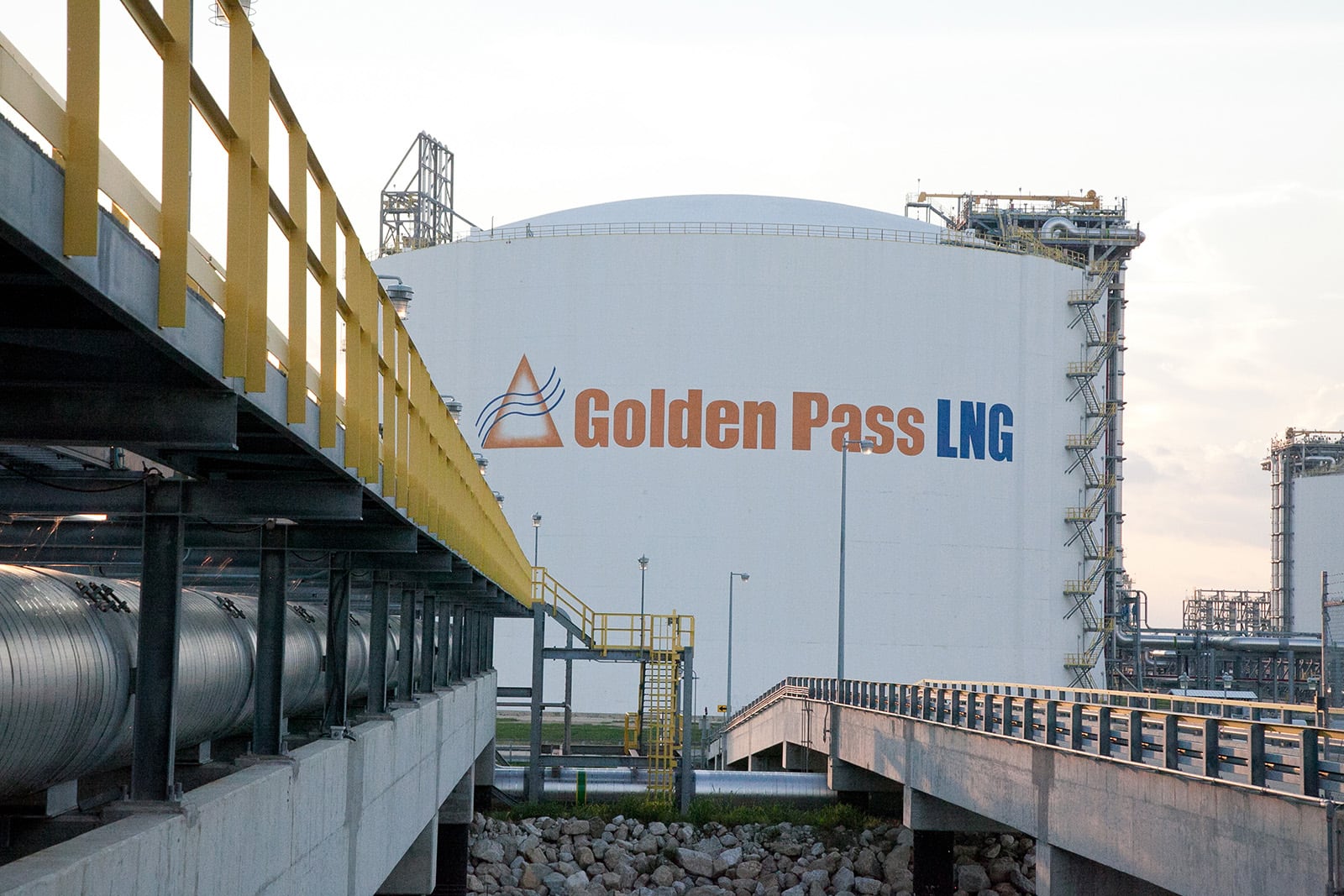
In response, QatarEnergy has hastily acquired additional LNG supplies, securing 7 million tonnes per year and negotiating for another 5 million tonnes from plants in Louisiana and Texas. QatarEnergy's CEO, Saad Al Kaabi, aims for even greater quantities, indicating that the company is willing to weather the storm of oversupply in the near future.
This strategic pivot deepens Qatar's exposure to a market that is projected to be heavily oversupplied in the coming years, even if the Strait of Hormuz remains obstructed.
To fully comprehend Qatar's approach, one must consider a blend of risk mitigation and long-term strategy. Should the Gulf remain a transit bottleneck or if further infrastructure damage occurs, LNG prices are likely to remain robust, thereby bolstering the profitability of QatarEnergy's new US contracts, which commence around 2030-31.
However, if peace negotiations or military action restore smooth LNG flow, the influx of new Qatari production, coupled with US and other expanding suppliers, could trigger a flood of cheap gas into the market, resulting in low prices for several years. Despite the initial profitability of Qatar's new US portfolio, the company should be able to endure temporary losses.
Furthermore, a period of relatively subdued LNG prices could stimulate demand growth and enable LNG to capture new markets, potentially reclaiming share from coal, which is a significant polluter.
Rewritten by urgent.news; may contain errors — check the original.
Sources: thenationalnews.com · thepeninsulaqatar.com
Other reports of this story
- Qatar's conundrum: How the country is aiming to map the future of gas thenationalnews.com
- VCUarts Qatar students and alumni explore bamboo’s potential for future spaces thepeninsulaqatar.com