Promesas electorales bajo sospecha
Las propuestas para afrontar el desafío de la vivienda constituyen el núcleo de los programas, pero en algunos la diferencia entre fines y medios es notoria
On February 11, 1979, a day before the first constitutional elections on March 1 of the same year, this newspaper published a memorable article entitled "Ten rules for reading and analyzing economic programs." The text was signed by four experts: Enrique Fuentes Quintana, a key figure in the economic transition and former Deputy Prime Minister under Adolfo Suarez; Victorio Valle, a professor of taxation; Julio Alcaide Inchausti, the father of modern Spanish statistics; and Manuel Lagares, a politician and economist.
The authors aimed to guide citizens with a test of ten questions to evaluate economic election programs. At that time, the debate focused on unemployment, inflation, and weak investment. Some recommendations from nearly 50 years ago could still be relevant today: "Don't trust an electoral program where the ends and means are clearly mismatched"; "The most important requirement for an economic program is the realism of its objectives"; and "The bulk of an economic program should be dedicated to explaining the means to achieve the program's goals."
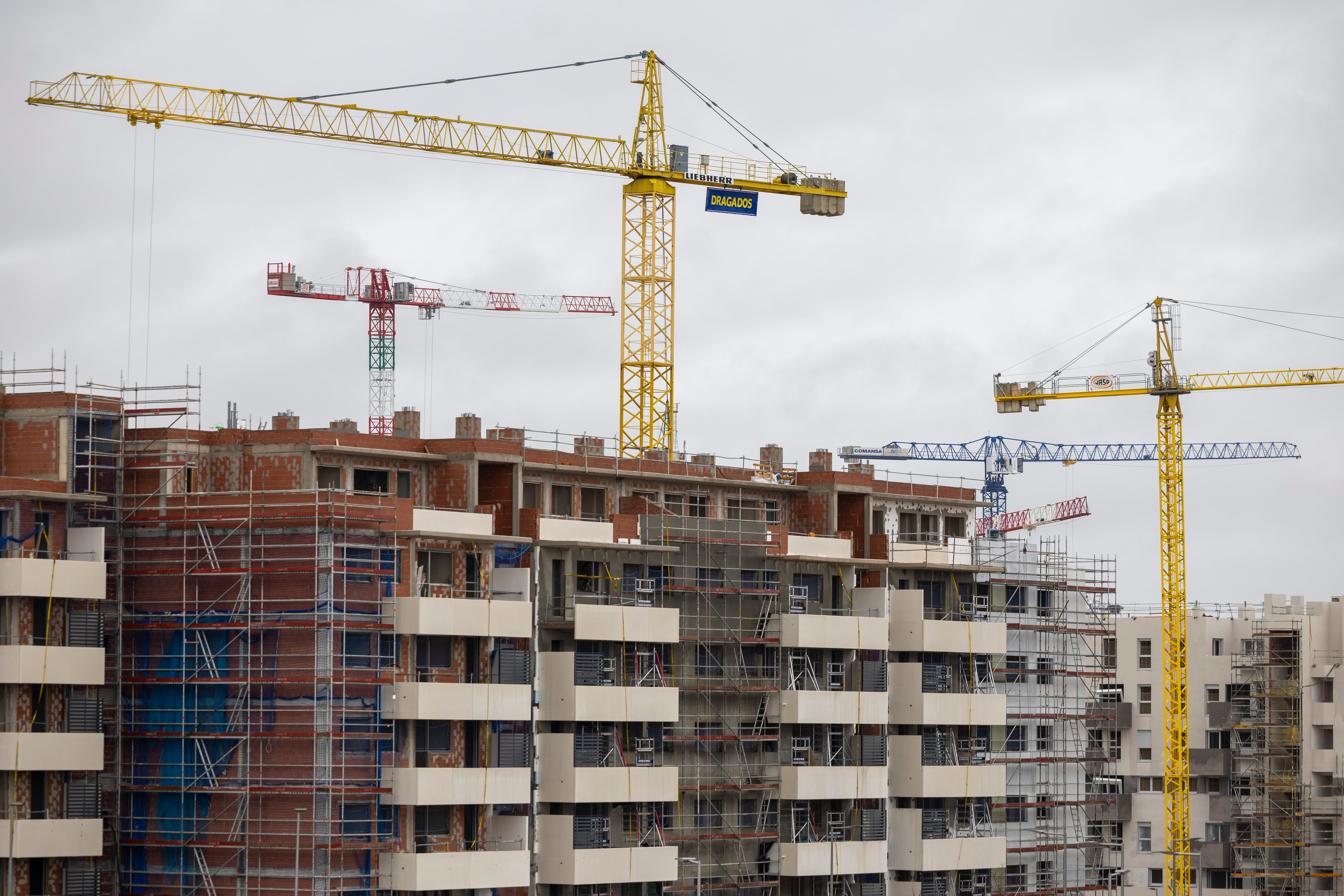
In the upcoming elections on September 29, the proposals to address the housing challenge form the core of the programs. The discrepancy between ends and means is striking. The Popular Party promises to build a million more homes in Spain, but it does not specify whether they will be public or private, or how they will be financed.
This figure is ten times the 100,000 public homes promised by the PSOE and also exceeds the 125,000 per year (1.5 million in 12 years) proposed by the Broad Front. However, the most notable difference between the right-wing and left-wing programs lies not in the goals, but in the means. The Popular Party outlines several measures under the general banner of "Spaniards will pay less in taxes," aligned with their right-wing allies Vox, which promotes "massive tax cuts to protect Spaniards from the fiscal inferno."
It is worth recalling Professor Fuentes Quintana's words, quoted in Joaquín Estefanía's essential chronicle "La larga marcha" (Península, 2007): "When the transition began, I believed the first thing to do was for people to pay taxes. To turn them into citizens committed to a situation, but also because revenue was needed to carry out that transition.
That was the great triumph of the transition and the Moncloa Pacts: that people paid taxes." The current rhetoric of the right-wing parties advocating for tax reductions and opposing immigration clashes with the founding spirit of our democracy and reality. According to Eurostat, Spain's fiscal pressure is 38.1% of GDP, three percentage points lower than the eurozone average (41.2%).
The PSOE and Broad Front propose different selective tax increases to fund their proposals. Regarding the homes we need, it would be advisable for Feijóo and Abascal to visit any construction site to see who builds them. According to the Ministry of Labor and Social Economy, "in construction, 47.5% of the workforce is of Latin American origin." One must scrutinize the means to debunk deceits.
Rewritten by urgent.news; may contain errors — check the original.
Source: elpais.com