Populistas franceses tocam o terror no setor elétrico
A CEO da Engie, Catherine MacGregor, tem enfrentado alguns jantares indigestos à medida em que se aproximam as eleições presidenciais de 2027 na França. Na última semana, junto com outros líderes empresariais – incluindo o CEO da TotalEnergies, Patrick Pouyanné – a CEO da gigante francesa de energia sentou-se à mesa com o candidato da extrema esquerda, Jean-Luc Mélenchon, que propõe em seu plano…
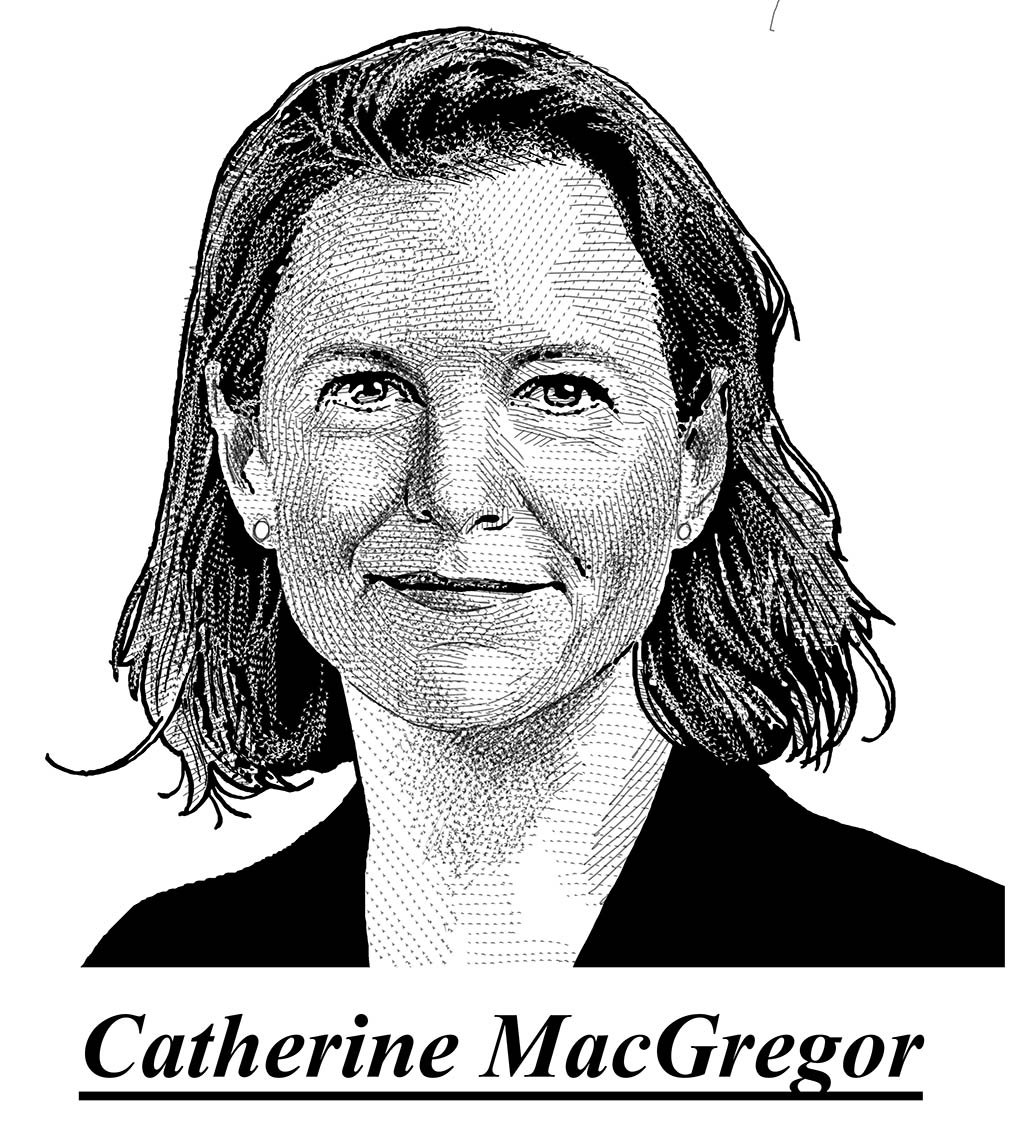
CEO da Engie, Catherine MacGregor, has experienced some uncomfortable dinners as the 2027 French presidential elections approach. Recently, along with other business leaders, including TotalEnergies CEO Patrick Pouyanné, MacGregor dined with Jean-Luc Mélenchon, an extreme left-wing candidate who proposes nationalizing Engie in his plan.
Founded in the 2000s from the privatization of former Gaz de France (GDF) and subsequent merger with Suez, Engie has grown significantly since then, with a strong international expansion that includes Brazil, where it is now the second-largest renewable energy generator. The company's governance model, with a 23% minority French state stake, was even an inspiration for Eletrobras' privatization, now known as AXIA Energia.
Mélenchon promises to put Engie back under state control, though he has not detailed how this would be done or the cost of implementing the plan. "I disagree and expressed this to him," MacGregor said to France Inter, the country's most listened-to radio station, after the dinner. According to her, the meeting with Mélenchon took place in a "dialogue climate."
Mélenchon, for his part, claimed his dinner companions are "deeply politically radicalized," though he suggested he seeks a middle ground with their vision. "We need to see what type of halfway measure we could reach," Mélenchon said.
Mélenchon's proposals include achieving 100% renewable energy by 2060, ending France's nuclear comeback, and gradually disconnecting existing nuclear plants. "We don't need to nationalize Engie to invest in France and develop renewables," MacGregor said about the candidate's plan. Earlier this month, she attended a dinner with Marine Le Pen, Mélenchon's rival, who is currently leading the polls.
At the dinner, she also discussed her disagreements with the right-wing candidate's energy sector proposals. In a press release after the dinner, MacGregor said she presented her disagreements to Le Pen, though without much success so far.
MacGregor emphasized that Engie has the responsibility to educate political decision-makers on complex issues and explain the consequences of each measure. Her words could apply equally to Brazilian business executives close to the Lula government. Le Pen and her party argue that France should leave the integrated European energy market and criticize investments in renewable energy.
They are also against having an independent regulator for the sector. MacGregor warned that these ideas, harmful to France, energy security, electricity prices, and decarbonization, could crystalize and take shape if left unchecked. A Toluna Harris Interactive poll conducted this month projected a second round between Le Pen, who would have between 34% and 35% of votes in the first round, and Mélenchon, with 18% to 19%.
Rewritten by urgent.news; may contain errors — check the original.
Source: braziljournal.com