No more ‘white, round pills’: MySejahtera’s second life as Malaysia’s digital health hub
KUALA LUMPUR, Nov 24 — What began as a mandatory crisis response tool at the height of the Covid-19 pandemic has evolved...
KUALA LUMPUR, Nov 24 — The MySejahtera app, initially a crisis response tool during the Covid-19 pandemic, has transformed into Malaysia's digital health hub, acting as the "digital front door" for millions of residents. Health Ministry Digital Health Division director, Dr Maheshwara Rao Appannan, highlighted the app's evolution from contact tracing to a comprehensive public health platform, fueling the ministry's "One Person, One Record" vision.
At the pandemic's start, nearly 32 million people downloaded the app, with Malaysia ranking first globally for digital pandemic management by Data.ai. MySejahtera now serves 12-15 million monthly active users, replacing the outdated practice of patients recounting their medication as "white, round pills." Over 15 million users can access prescriptions and health records, including lab results, dental history, and radiological reports, with a single click.
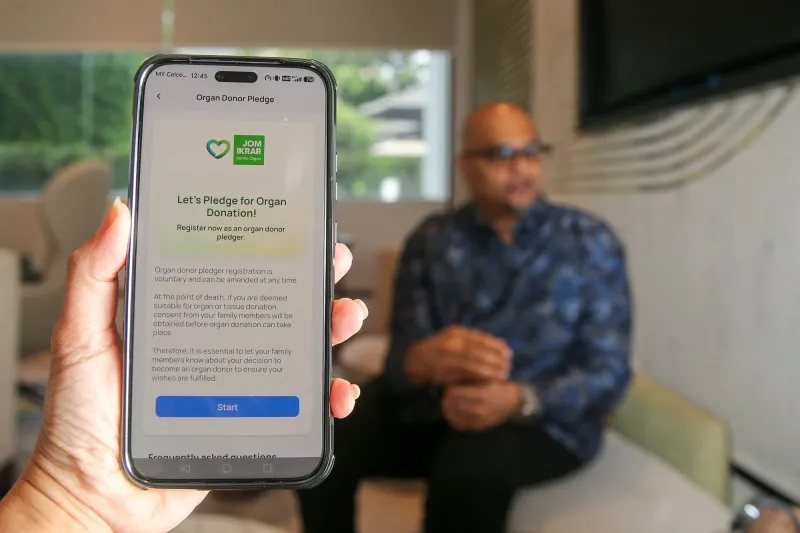
The app aims to bridge public and private care by connecting over 50 private hospitals and 3,000 general practice clinics, enabling seamless data flow between sectors. Currently, appointments with public clinics can be booked on MySejahtera, but private healthcare appointments require further expansion. Organ donor pledges are now digitally recorded, with the app notifying nominees upon a pledger's passing.
MySejahtera aims to integrate ambulance services, enabling automatic location sharing during emergencies and connecting patients with the 999 response system. Data security is a top priority, with a consent-driven architecture ensuring patients control record sharing through a digital QR code or explicit consent. The ministry aims to digitalize all primary care facilities and hospitals by 2027 and 2029, respectively, with the technology serving as a means to transform how Malaysians manage their healthcare needs through their smartphones.
Rewritten by urgent.news; may contain errors — check the original.
Source: malaymail.com