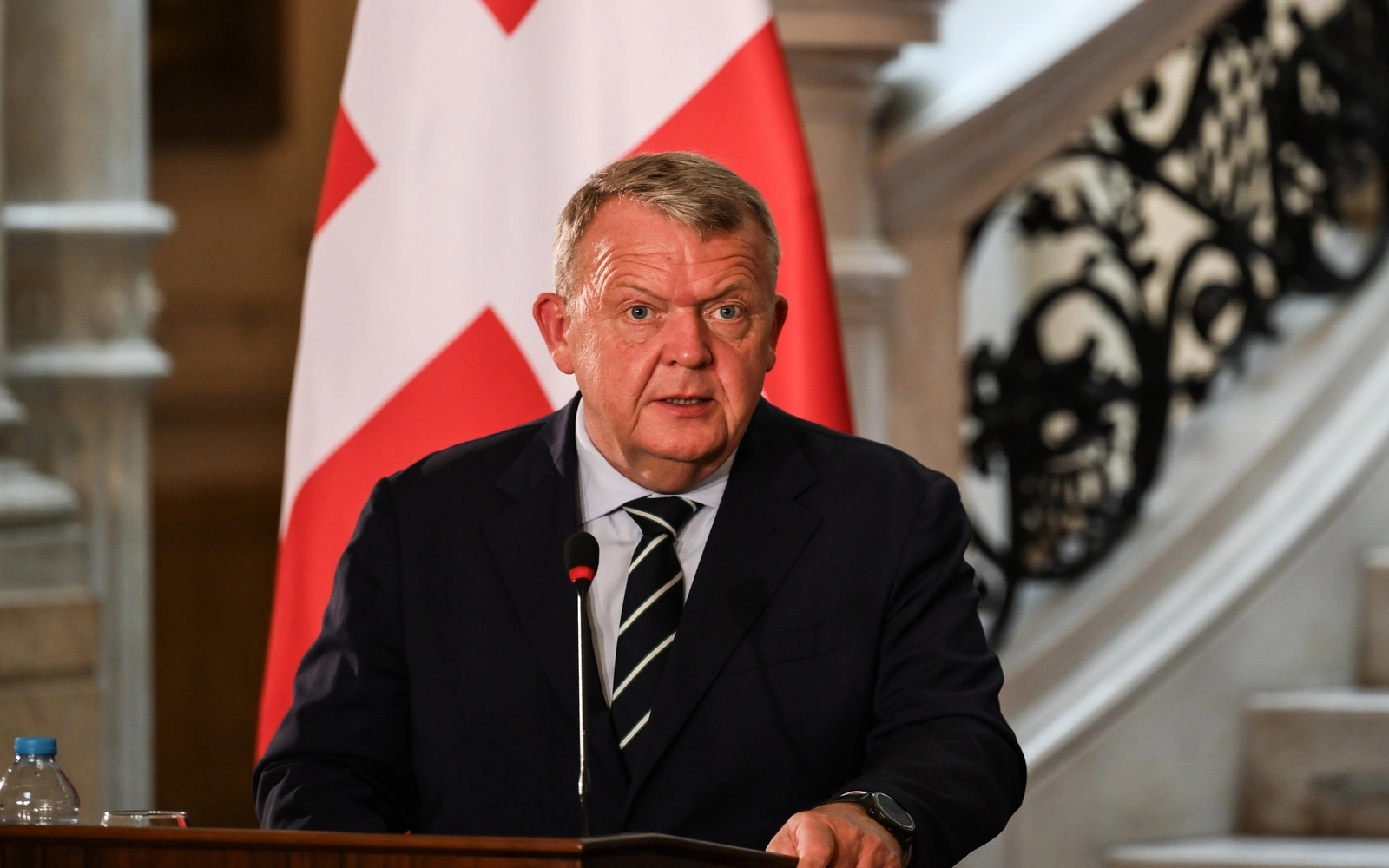
NATO vows space defence after Russia nuclear satellite report
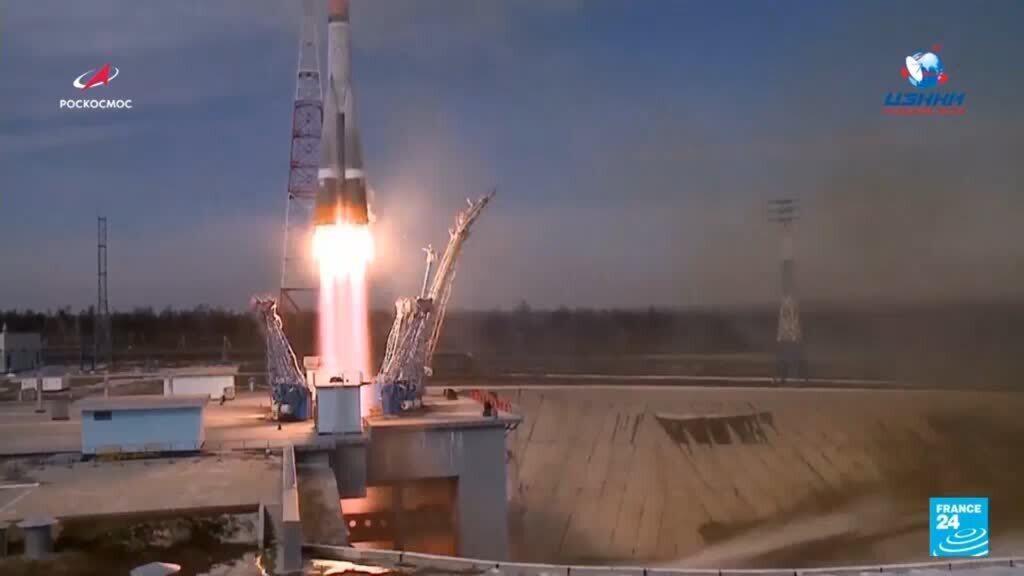
NATO chief Mark Rutte said Monday the alliance would defend against threats in space when asked about German media reports that Russia may be preparing to launch a nuclear-armed satellite. The media reports, citing unnamed German military and BND spy agency sources, said Moscow was thought to be planning such a launch in the coming weeks, giving it the capability to destroy other satellites.…
Germany has initiated testing of drones, following Russia's use of similar weapons against Ukraine. Soldiers in Lithuania are conducting trials at the Rūdninkai training ground, near the Belarusian border, according to Reuters. The country has significantly boosted its defense budget since Russia invaded Ukraine, pouring hundreds of billions of euros into modernizing its armed forces after years of neglect.
NATO officials have long expressed concerns that Russia might launch a large-scale attack on allied territory as early as 2029, a timeline that military leaders across the Alliance concur with. Russia denies any aggressive intentions and accuses NATO of provoking tensions by expanding closer to its borders. These trials represent a crucial milestone for Germany, which only decided in 2025 to purchase loitering munitions, or explosive drone weapons, following long-standing debates over acquiring such armaments.
At the Rūdninkai grounds, Lieutenant General Christian Freuding, the army's commander, observed munitions from German companies Helsing and Stark, equipped with inert warheads, hit and destroy main battle tanks. Freuding, who previously managed weapons deliveries from Berlin to Kyiv, deemed both systems essential for contemporary warfare.
He is scheduled to assume the role of Germany's Chief of Defense in February. The tests were part of Freedom Shield, the largest German military exercise ever held in Lithuania, where an armored brigade of 5,000 German troops is set to be stationed permanently by the end of 2027. One of the drone manufacturers, Helsing, has been supplying Ukraine’s Defense Forces since 2024 with AI-guided strike drones and loitering munitions, such as the HF-1 and HX-2 models, according to The New York Times.
The company manufactures them in a confidential location in Germany, which it keeps well-hidden. In 2025, Helsing pledged to produce 6,000 HX-2 attack drones equipped with artificial intelligence for delivery to Ukraine. Earlier that year, German troops at Rūdninkai had also carried out the first tests of Helsing’s Clarity, an AI targeting tool that rapidly processes satellite, drone, and sensor data and suggests appropriate actions.
Rewritten by urgent.news; may contain errors — check the original.
Sources: kyivindependent.com · koreatimes.co.kr · scmp.com · euromaidanpress.com · meduza.io · france24.com
This story
This is one outlet's version. Read the fullest account.
- German army chief watches drones from Helsing company that supplies weapons to Ukraine hit tanks in Lithuania at trials euromaidanpress.com
- Germany sent tanks to Lithuania by rail instead of driving them through Poland ‘to avoid provoking Putin,’ Bild reports meduza.io
- Russia preparing to put nuclear weapons in space, German media investigation claims kyivindependent.com
- Fresh reports indicate Russia may deploy a nuclear weapon in space koreatimes.co.kr
- Nato vows space defence after Russia nuclear satellite report scmp.com