Meet the Bugs That Live in Your Home
A team of biologists sent people on a safari of their own homes The post Meet the Bugs That Live in Your Home appeared first on Nautilus .
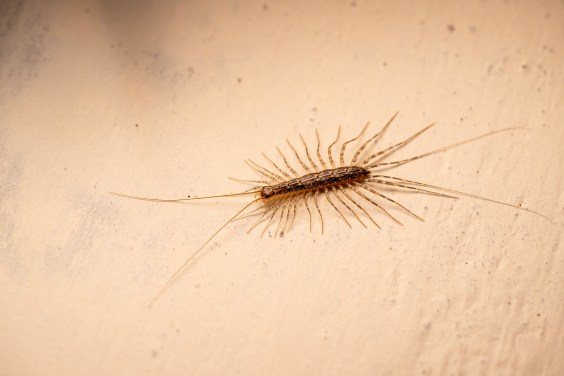
Scientists have conducted a massive study on the countless bugs that inhabit our homes, offices, and other indoor spaces. This research, published in the journal Ecology, is the largest of its kind to date, aiming to explore our indoor environment as an ecosystem.
To gather data, an international team of biologists launched a citizen science project called Never Home Alone. Utilizing the iNaturalist app, they invited people across the United States and Canada to submit photos and videos of the insects, spiders, and other bugs they encountered in their living spaces. The team received nearly 24,000 reports, which they meticulously analyzed to identify the various species.
The most common household bug was the ladybug (Harmonia axyridis), known for its striking red and black coloring. Following closely behind was the brown marmorated stink bug (Halyomorpha halys), an invasive species native to Asia that spread throughout North America since its first sighting in Pennsylvania in 1998. This pest is notorious for its strong odor, which becomes particularly unpleasant for individuals with a specific gene variant that makes cilantro taste like soap.
Another notable inhabitant of our homes is the house centipede (Scutigera coleoptrata). Despite its intimidating appearance, this multi-legged creature actually hunts and feeds on other household pests like cockroaches, bed bugs, and termites. The number of legs on a house centipede can give clues about its age, with nymphs born with eight legs and gaining two more with each molt, reaching up to 30 legs.
Other bugs included in the top ten list were various spiders, such as the long-bodied cellar spider (Pholcus phalangioides), combfoot spider (Steatoda triangulosa), Eastern parson spider (Herpyllus ecclesiasticus), and bold jumping spider (Phidippus audax). These arachnids help maintain the balance of other arthropod populations by preying on them, including each other.
The Western conifer seed bug (also known as the pine beetle), a mostly harmless invasive species originally native to the Western United States, rounded out the top ten. These bugs have sharp mouthparts that can pierce trees, and they've been known to cause leaks by puncturing flexible plumbing tubing. While not harmful to humans, they can be a nuisance.
The study's authors emphasize the importance of cataloging the creatures in our homes for future research. They hope that this vast dataset will help inform investigations into various aspects of indoor ecosystems. For example, they discovered that camel crickets carry a microbe capable of breaking down paper products, which could have practical applications.
The authors encourage others to contribute to the project by submitting observations through Never Home Alone, as the more data collected, the more insight we gain into the unique and growing ecosystem of the great indoors.
Rewritten by urgent.news; may contain errors — check the original.
Source: nautil.us