Making Danantara's waste-to-energy plan work
Indonesia has finally solved the financing puzzle holding back its WtE ambitions, but the program’s survival now hinges on three things money cannot buy: dry feedstock, fiscal transparency and real technology transfer.
Indonesia has finally cracked the financing code that had long obstructed its Waste-to-Energy (WtE) ambitions, yet the program's success now depends on three factors that money cannot purchase: high-quality waste feedstock, fiscal transparency, and genuine technology transfer. A new law, Regulation (Perpres) No. 109/2025, has removed the financing hurdle that had kept the WtE program stuck for over a decade.
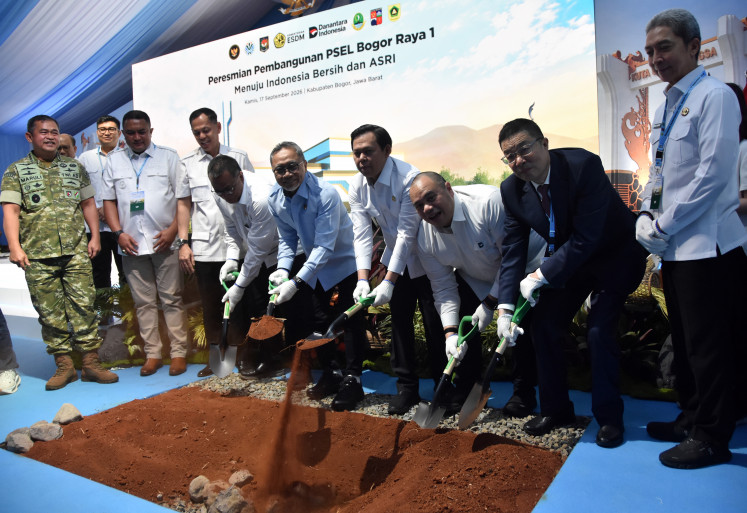
The first project under the new initiative is set to commence in the Balinese capital, processing up to 1,500 tonnes of municipal waste daily from the Greater Denpasar region. This marks the start of a wave of projects in Jakarta's buffer cities of Bekasi and Bogor, both in West Java, which also kicked off construction in August and September.
The government's state asset fund, Danantara, is spearheading these projects, with each city signing power purchase agreements (PPAs) with the state electricity firm, PLN. Eight consortia received conditional awards in July and are expected to finalize feasibility studies by mid-November.
However, the road to success is not without its bumps. Indonesia has faced similar challenges before. In 2016, a Perpres that aimed to accelerate WtE plants across seven cities was overturned by the Supreme Court within months. A subsequent 2018 initiative expanded the program to 12 cities, but only two facilities, Benowo in Surabaya, East Java, and Putri Cempo in Surakarta, Central Java, have ever entered commercial operation.
Jakarta's Sunter project, which began construction in 2018 with Finnish firm Fortum, stalled after the company withdrew due to the inability to secure a financing guarantee from the central government.
The most significant obstacle that has plagued these projects has been bankability. Under the previous framework, PLN paid around 13 US cents per kilowatt-hour (kWh), with the rest covered by tipping fees collected from regional budgets. These payments were not stable enough to provide foreign investors with the revenue certainty they required, as demonstrated by the Sunter experience. The new legislation has removed this obstacle, paving the way for Indonesia to finally harness its WtE potential.
Rewritten by urgent.news; may contain errors — check the original.
Source: thejakartapost.com
This story
This is one outlet's version. Read the fullest account.
- Making Danantara's waste-to-energy plan work thejakartapost.com