AI and the Future of Industry: Siemens CEO on the AI Race: “This is now the endgame”
Siemens CEO Roland Busch warns of Europe's regulation and is amazed by China's pace of innovation. Why Germany is nonetheless not without chance and what must happen for that to change.
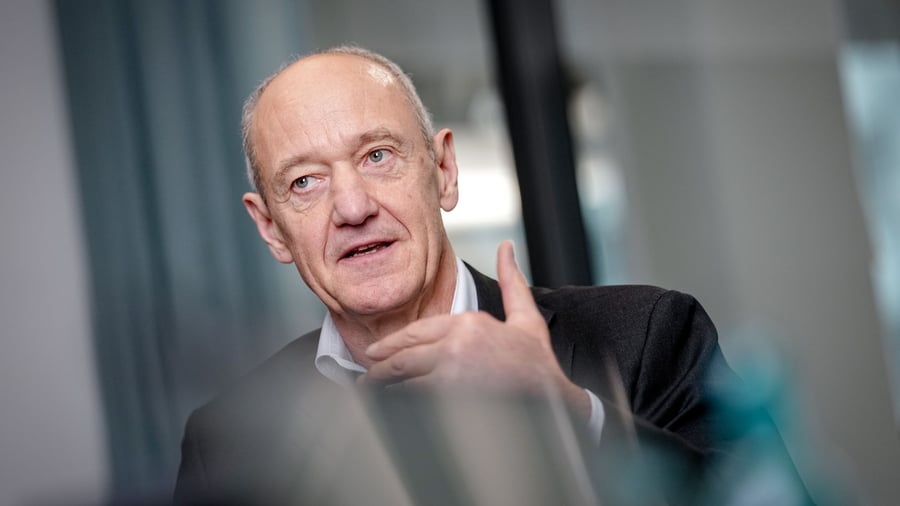
Siemens CEO Roland Busch expressed caution in regards to Europe's AI regulation and marveled at China's accelerated innovation pace. He uses Claude Code and Gemini, ensuring data protection. Busch often employs these tools for analyses and strategic tasks, such as shaping Siemens' One Tech Company program. He revealed that the AI even suggested enhancing the transformation process through a regional exchange program for employees.
Busch pondered whether Germany and Europe could rival China and the US in AI mastery, emphasizing the importance of industrial AI. This requires data, deep industry-specific knowledge, and the ability to bring unpredictable AI outcomes into an industrial environment. He believes they possess the necessary hardware, knowledge, strong ecosystems, and data.
The challenge lies in concentrating resources to achieve this goal. While additional funding isn't required, German companies will fund their development and utilize existing data. Busch attributed Germany's potential success to the rapid pace of genuine innovation in China, especially in fields where Germany previously struggled to compete.
He acknowledged the growing realization that China is now in the final stage, necessitating action. This shift has spurred companies to change and invest, as stagnation is no longer viable. However, progress is not happening quickly enough, but momentum is building. The primary hurdle remains overregulation, particularly on the European stage.
Busch highlighted the EU's crucial role in correcting its stance on data, specifically regarding industrial AI and innovation. He suggested that utilizing product data by manufacturers and effectively protecting business secrets could strengthen industrial AI and innovation. To create a unified European market, he proposed an "Enhanced Cooperation" approach, allowing at least nine countries to agree on regulations and form a coalition of willing states, bypassing the need for consensus across all members.
The German government aims to make Germany a KI (Artificial Intelligence) nation, with expectations of reforms in labor and energy markets, faster processes, digitalization, and education. The challenge is to implement these changes swiftly and communicate their importance to the public, as many have now understood that continuing the status quo is unsustainable.
Busch expressed concern about potential financial crises triggered by AI, attributing it to large computational center operators like Nvidia and Microsoft, which primarily fund their investments from cash flow.
Rewritten by urgent.news; may contain errors — check the original.
Source: handelsblatt.com