Jim Chalmers says he doesn't expect a recession, but 'things might get a bit harder'
The Treasurer said the government was on track for cuts to more than cover any new spending in next month's mid-year budget update and that forecasts would project higher unemployment and lower growth.
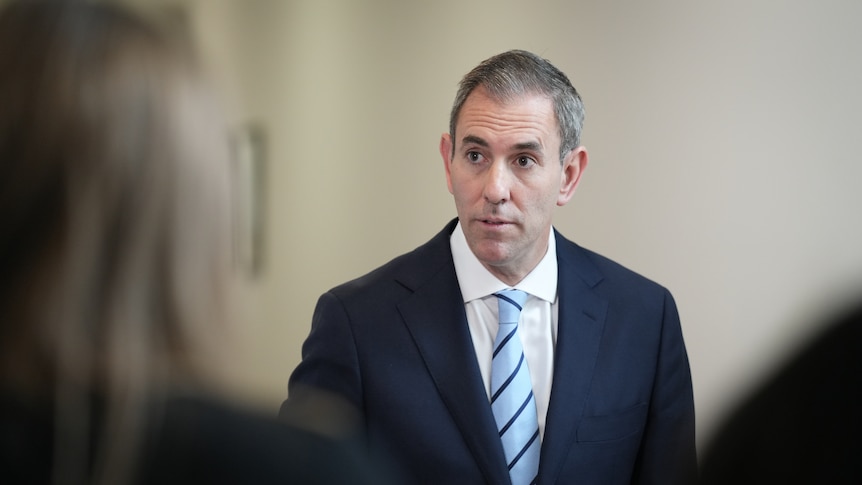
Treasurer Jim Chalmers has indicated that he does not anticipate a recession, but warned that "things might get a bit harder" in 2027. The mid-year budget update will likely show an increase in the unemployment forecast and a decrease in projected growth. The government is on track to achieve a net savings, with new spending being more than offset by responsible cuts.
Chalmers stated that these cuts are likely to exceed any new spending. He emphasized the need for spending cuts to combat inflation, as no amount of savings can eliminate inflation. Unemployment is expected to reach above 5% by the end of 2027, while growth will be well below 2% for the next two years. Inflation is not anticipated to return to the Reserve Bank's 2-3% target band until the end of 2027.
Chalmers acknowledged the risks that the recent five interest rate hikes could exacerbate the situation in the job market, housing market, and broader economy. The government has been facing economic challenges, with interest rates at their highest level since 2008 and unemployment at a six-year high. Opposition Leader Angus Taylor criticized the treasurer, accusing him of being unable to manage money and warning of economic ruin under his leadership.
The government has proposed freezing PBS medicine scripts at $25 each until the end of the decade to address the cost of living, which Chalmers believes will not be followed by many other measures. The treasurer also highlighted that cuts would safeguard essential services and not disproportionately impact any particular area or portfolio.
Other factors contributing to the budget deficit include a weaker economy and high inflation, which would result in lower tax collections and increased spending on existing government programs. Chalmers assured that the mid-year budget would still forecast wages growing faster than prices, and business investment is projected to grow twice as fast this year compared to the original budget forecast.
He emphasized that while the economic outlook is uncertain, a recovery in real wages by 2027 could help alleviate some of the pressures.
Rewritten by urgent.news; may contain errors — check the original.
Source: abc.net.au