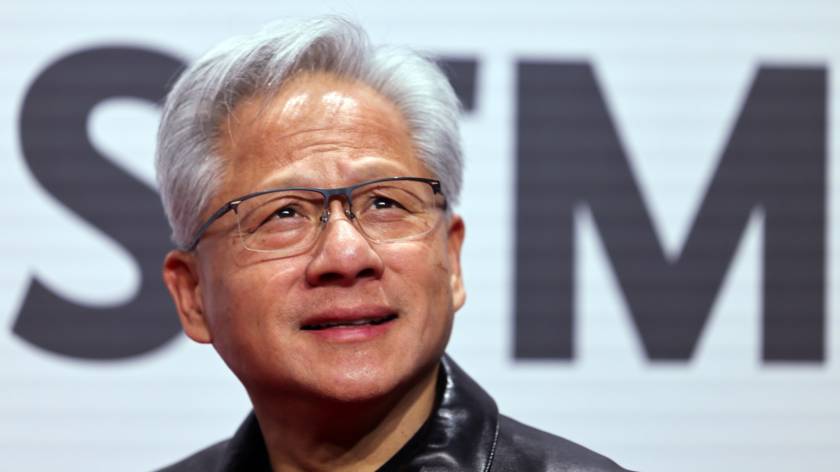
Jensen Huang's extraordinary return, and why it isn't the end of the Nvidia saga
The shock return of Jensen Huang, heralded by US President Donald Trump, does not mean the Nvidia co-founder is out of the woods.
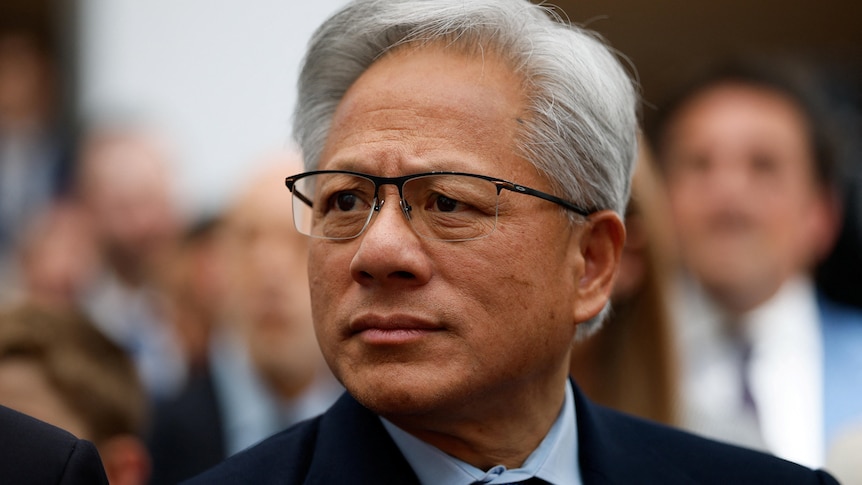
Jensen Huang's return to Nvidia's CEO role has sparked intense debate about the role of government in corporate America. The move, announced on Monday, has added $1 trillion to Nvidia's market capitalization, a figure that underscores the company's immense influence. However, the decision to reinstate Huang also raises troubling questions about corporate governance and the balance of power between shareholders and the executive branch.
The board's decision to grant Huang a second act appears to strengthen the "imperial CEO" model, where the president of the United States can intervene in corporate affairs. This decision comes after a significant market downturn, with Nvidia's stock falling 40% in a single month, erasing $2 trillion in market value. Investors, employees, and customers had been calling for Huang's return, citing his indispensable role as the company's chief salesman, technologist, and diplomat.
The board's statement noted that input from senior levels of the US government had reassured them that Huang's return posed no national security risk. This suggests that President Donald Trump, who had dialed into the Nvidia board meeting, played a significant role in the decision. On Sunday, Trump had tweeted that rehiring Huang would be "the best thing for the company, and also, for the USA."
The board's actions have drawn scrutiny from both Republican and Democratic lawmakers, with one Republican senator asking on social media who in the government weighed in. This episode marks a new era where the largest corporations' decisions are increasingly influenced by the president's strategic interests. While future governments may not have the same inclination towards "state capitalism" as the Trump administration, the involvement of the White House in a company's leadership decisions highlights the strategic significance of the world's most critical corporations.
Rewritten by urgent.news; may contain errors — check the original.
Sources: semafor.com · businessinsider.com · thenationalnews.com · thehill.com · abc.net.au · crikey.com.au
This story
This is one outlet's version. Read the fullest account.
- Jensen Huang’s return raises troubling questions for corporate America semafor.com
- Jensen Huang returns to Nvidia HQ to cheers: 'I'm going to be a better CEO the second time around' businessinsider.com
- Jensen Huang cheered on by staff as he returns to Nvidia thenationalnews.com
- Jensen Huang returns as Nvidia CEO after Donald Trump’s intervention crikey.com.au
- Huang gets raucous ovation in return to Nvidia headquarters thehill.com