Is SA losing ground against HIV? These four graphs offer a warning
Findings from a 20-year population study in rural KwaZulu-Natal show that progress in curbing HIV has stalled, sounding a sobering warning for South Africa's public health response.
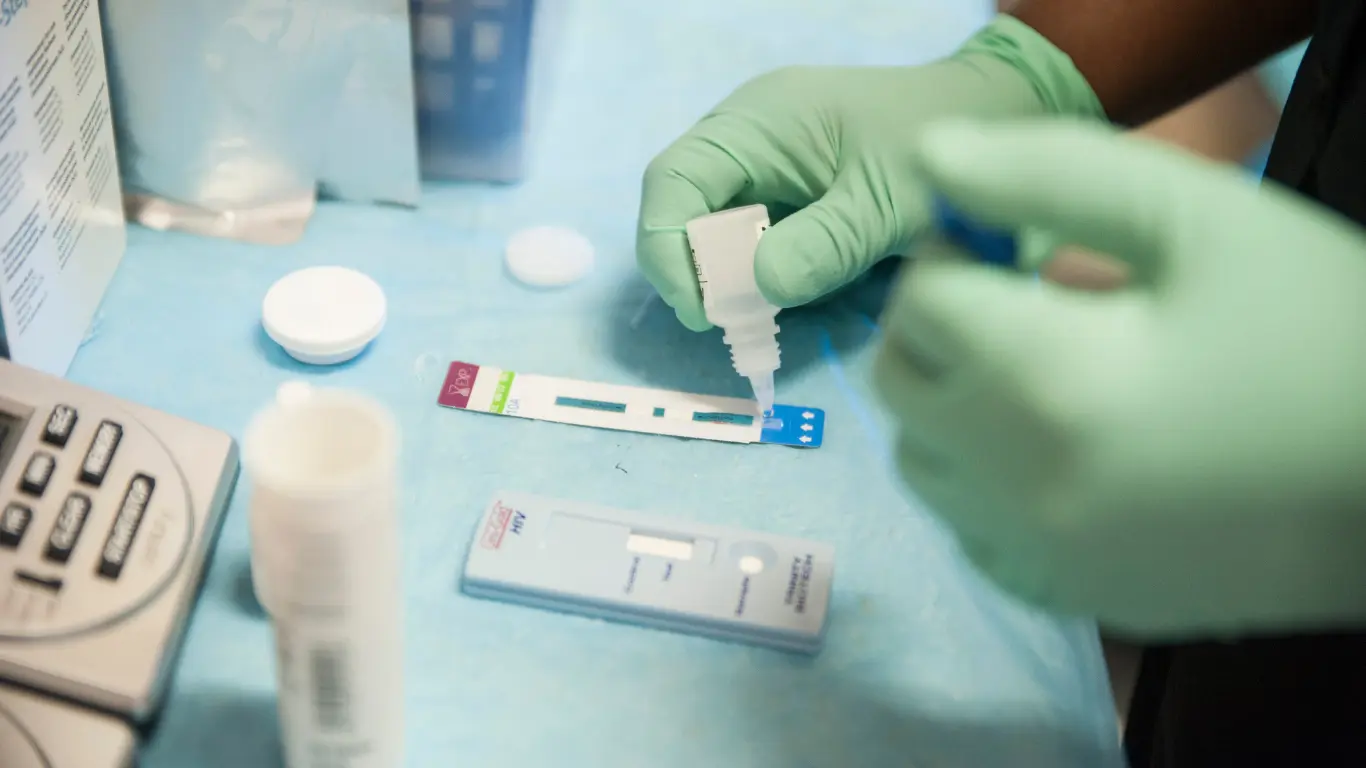
A recent study conducted in rural KwaZulu-Natal, South Africa, reveals concerning trends in the HIV epidemic that could potentially reverse recent progress in controlling the virus. Researchers from the Africa Health Research Institute (Ahri) analyzed data collected from over 30,000 individuals over a span of 20 years, making this study a valuable tool in understanding the true state of the epidemic.
The findings highlight the necessity for South Africa to reevaluate its approach to testing and treatment to ensure the country successfully ends HIV as a public health threat.
In 2002, a massive HIV survey conducted by the Human Sciences Research Council (HSRC) revealed alarming results, with 11 out of every 100 people in South Africa testing positive for the virus. This knowledge spurred the development of nationwide programs aimed at treating and preventing HIV, ultimately leading to the largest HIV treatment and prevention programs in the world.
Today, approximately 6.2 million of the estimated 7.9 million people living with HIV in South Africa are receiving treatment, and around 2.43 million previously HIV-negative individuals have used pre-exposure prophylaxis (PrEP) since it became available in the public health sector.
The study's authors examined four key indicators in the community: the number of new infections (incidence), the ratio of incidence to prevalence, the lifetime chance of someone becoming infected, and viral load. The data reveals that progress towards controlling the epidemic has faltered in KwaZulu-Natal, a worrying development that calls for immediate attention from the country's policymakers. Helen Rees, executive director at Wits RHI, stated that this development should be a cause for concern.
Looking at the data, the risk of infection for a 15-year-old girl in this community is projected to be a 50 out of 100 chance by the age of 55. This is a significant increase from the projected risk of 75 out of 100 back in 2004, suggesting that the epidemic is not as under control as previously believed. This worsening outlook underscores the urgent need for South Africa to address its HIV challenge and recommit to effective testing and treatment strategies.
Rewritten by urgent.news; may contain errors — check the original.
Sources: bhekisisa.org · mg.co.za · allafrica.com
This story
This is one outlet's version. Read the fullest account.