How the Strike on the Kerch Bridge Reshaped the Political Landscape
The Ukrainian Armed Forces’ strike on the Kerch Bridge on November 17, 2026, challenged the Kremlin’s image of invulnerability ahead of major negotiations and reaffirmed Ukraine’s ability to act independently despite external pressure The Ukrainian Armed Forces’ strike on the Kerch Bridge on the night of November 17, 2026, which resulted in its partial destruction, has implications extending far…

On November 17, 2026, Ukrainian forces launched a strike against the Kerch Bridge, marking a significant moment in the ongoing conflict. This action challenged Russia's perception of invincibility and underscored Ukraine's capacity to function independently. The destruction of the bridge had widespread ramifications, affecting Russian logistics, undermining a key political symbol, and influencing the diplomatic landscape of the ongoing negotiations.
The attack was not an isolated incident but part of a broader pattern of Russian aggression against Ukrainian infrastructure, including other bridges and critical facilities. Ukrainian President Volodymyr Zelenskyy described the Kerch Bridge strike as a response to these attacks and as the culmination of a multi-week operation. Russia's strategy of systematically damaging essential infrastructure aimed to intimidate Ukrainian society and coerce the nation into accepting Russia's demands to avoid further destruction.
The Kerch Bridge played a crucial role in supplying the occupied Crimean peninsula and transporting military equipment and supplies. By targeting it, Ukraine disrupted Russian logistics and forced Moscow to expend more resources to maintain its presence in the region. For Russian President Vladimir Putin, the bridge symbolized Russia's claim to Crimea and the permanence of the occupation.
Damaging such a symbolic facility undermined Russia's image of strength and control, as it could not safeguard even its most significant assets despite extensive investments in infrastructure protection.
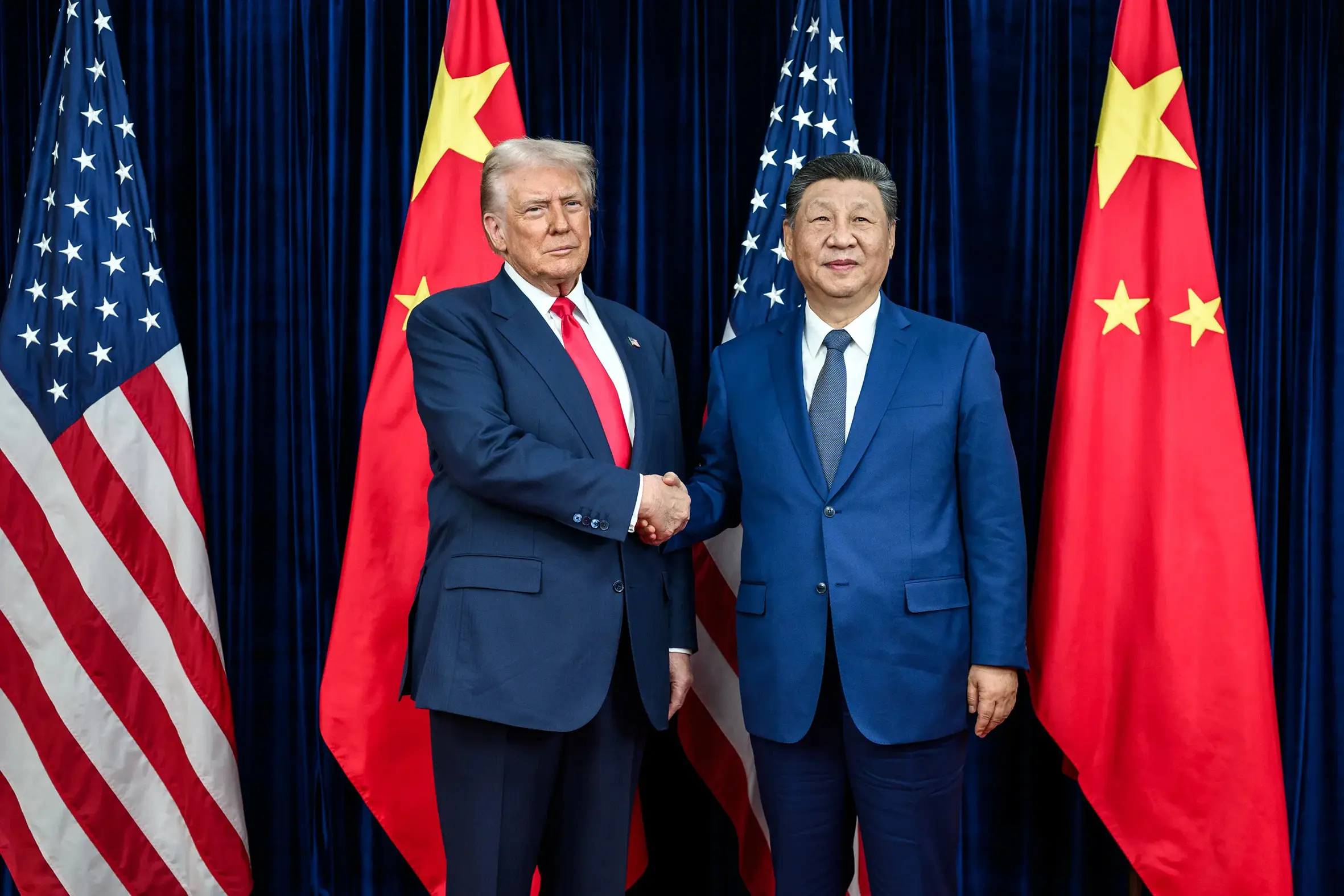
The timing of the strike was strategically significant, as it coincided with a high-stakes diplomatic meeting between Trump, Putin, and Xi in China. The Ukrainian operation aimed to expose Putin's vulnerabilities ahead of negotiations, bolster Ukraine's position by demonstrating a successful military outcome, and send a clear message that Ukraine could withstand Russian pressures.
Ukraine's use of drones for communication relay systems, independent of Starlink, demonstrated technological autonomy and resilience, even when faced with foreign system restrictions. This capability can help Ukraine maintain its independence in the long term.
Washington, seeking to influence Ukraine's stance, might have inadvertently bolstered Ukraine's technological capabilities and reduced its dependence on foreign systems. By pressuring Kyiv to accept Russia's demands, Washington could be aiding Moscow in achieving its objectives. The success of Ukraine's retaliation against the Kerch Bridge, however, undermined Russia's credibility and highlighted the limitations of its military dominance.
As the conflict persists, Ukraine's ability to retaliate and maintain its strategic autonomy remains a critical factor in shaping the political landscape and negotiating outcomes.
Rewritten by urgent.news; may contain errors — check the original.
Source: uatv.ua