How the media treats climate change and other ‘crises’
Two months ago, I wrote about the way the German tabloid Bild undermined the German heating law with an emotionally charged campaign. In the meantime, I came across a study from the University of Lancaster that did something very similar, but on a broader basis and with UK newspapers.
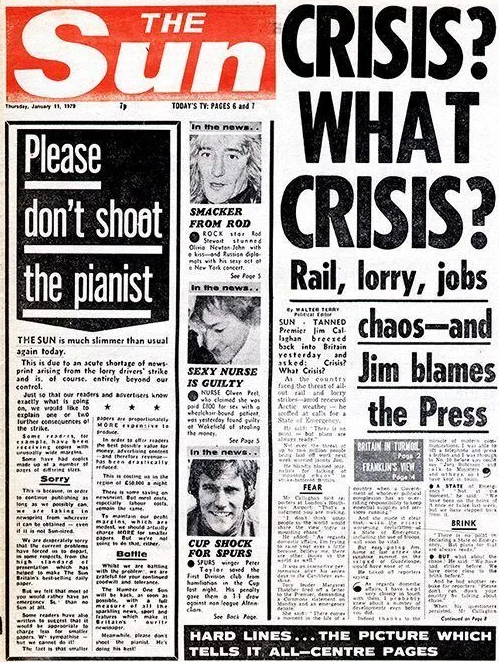
In a recent study, researchers at the University of Lancaster examined how UK newspapers frame crises between 2015 and 2024. The analysis covered ten newspapers, five left-leaning and five right-leaning, to see how their language reflected their political leanings. The findings show that while there are numerous crises worldwide, opinions on what constitutes a crisis vary significantly depending on the newspaper's political orientation.
Left-leaning papers like the Guardian, Independent, iNews, Mirror, and Observer frequently label climate change as a "climate crisis," whereas right-leaning papers such as the Express, Mail, Sun, Telegraph, and Times prioritize the energy crisis and the cost-of-living crisis following the 2022 Ukraine invasion. The study reveals that although both sides acknowledge widespread damage, they disagree on what issues are most pressing.
Left-leaning outlets concentrate on environmental harm and impacts on lifestyle and property, while right-leaning outlets highlight damage to infrastructure, such as road potholes, along with financial and business losses from various events and developments. This framing of crises influences readers' perceptions and, consequently, the political discourse and policy decisions made by governments.
Rewritten by urgent.news; may contain errors — check the original.
Source: klementoninvesting.substack.com