How COP31 became climate diplomacy’s ‘darkest moment’
The United Nations summit collapsed amid a fight over fossil fuels, triggering a fierce debate about the future of international climate talks.
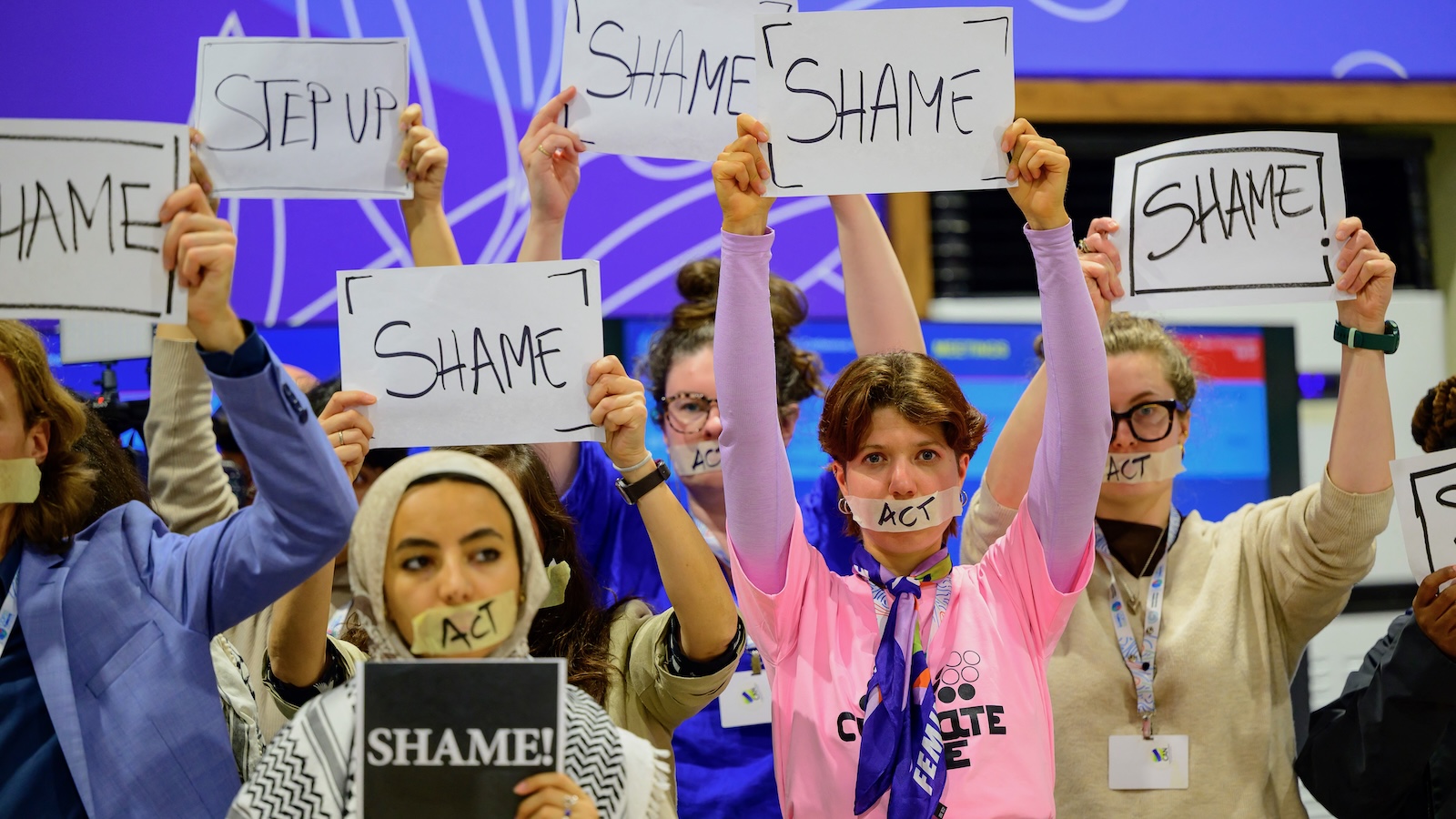
The 31st Conference of the Parties (COP31) in Antalya, Turkey, was expected to be a routine "implementation" gathering of world leaders on climate action. However, the negotiations unraveled in just two weeks after running over 50 hours into overtime. Nearly 90 nations, including the Marshall Islands, the United Kingdom, and the European Union, objected to a key draft decision that excluded mentions of "fossil fuels" and failed to address climate finance adequately.
Irish climate minister Darragh O'Brien described the draft as insufficient to tackle the climate emergency, adding that the European Union could not accept it. The failure came at a time of worsening extreme weather events and looming threat of exceeding global warming thresholds. Despite disagreements over fossil fuels, climate finance, and carbon capture, countries could not reach consensus on fundamental questions about the crisis.
The breakdown of negotiations has sparked debate about the effectiveness of the U.N. climate process in delivering meaningful action amidst heightened geopolitical tensions.
Rewritten by urgent.news; may contain errors — check the original.
Source: grist.org