Gold, weapons or a 'Rosetta stone': Which archaeological treasure would you most like to discover?
From ancient coins to long-lost texts, archaeologists uncovered countless artifacts for centuries. Live Science asks its readers which one they'd want to discover themselves.
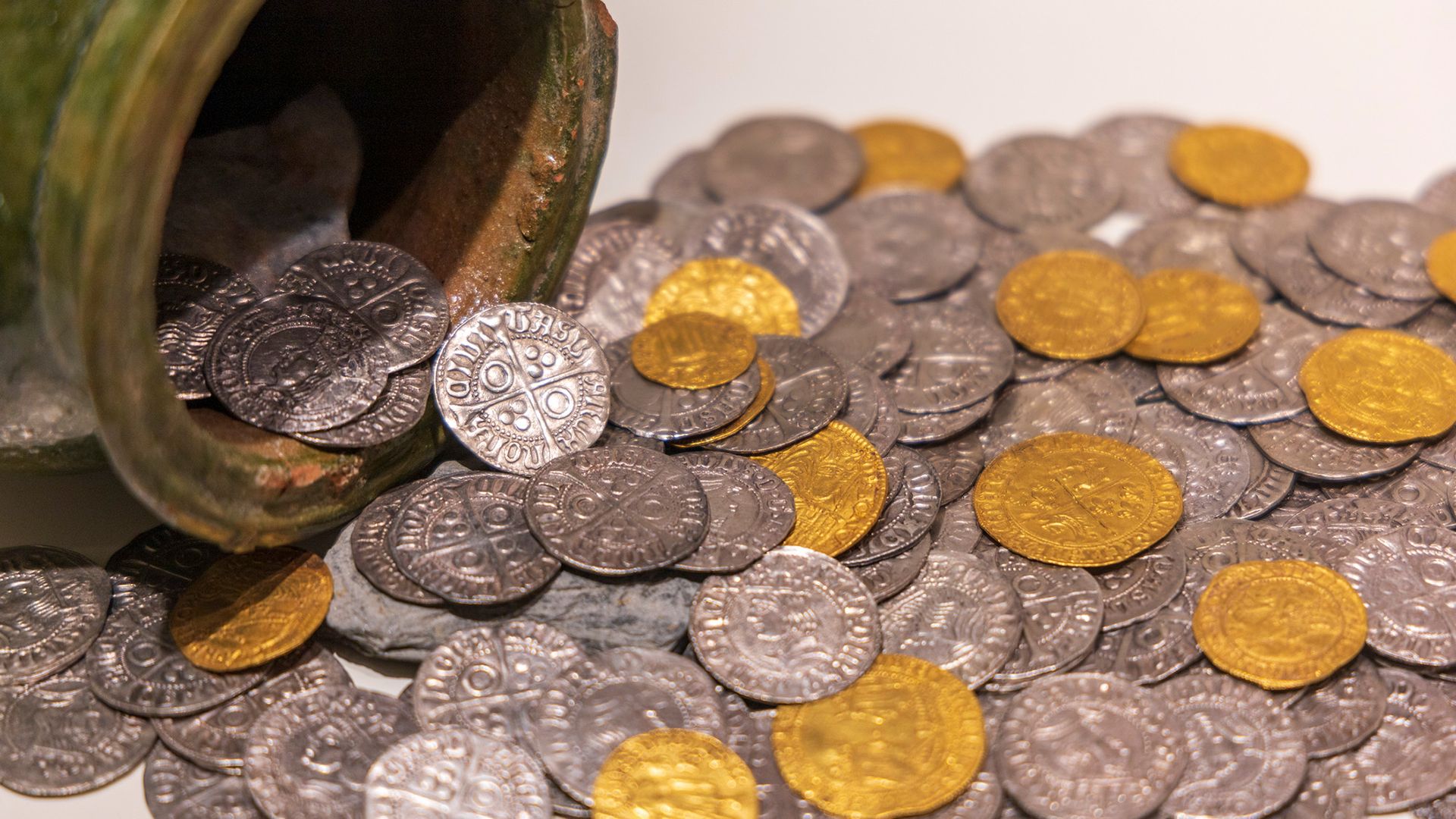
Archaeological discoveries have the power to reveal much about the lives, cultures, and beliefs of ancient civilizations. From the opulent tombs of kings to hoards of silver coins, these finds have provided invaluable insight into how people lived, traded, fought, governed, and met their end in the distant past. Recent stories include the unraveling of the 70-year mystery surrounding the last Russian imperial family members through DNA analysis, and the unveiling of a "sand body" double burial in Sutton Hoo, England, dating back 2,600 years.
Another noteworthy discovery includes a 300-year-old Spanish galleon, the San José, which remains a subject of debate over its modern ownership due to its immense value estimated at $17 billion.
Certain discoveries, however, stand out for their exceptional preservation or historical importance. The most celebrated among these is the Rosetta Stone, which unlocked the secrets of ancient Egypt for scholars. Yet, the quest to decipher the enigmatic Indus Valley script persists, as it belongs to one of the earliest urban civilizations in the world. Each type of archaeological find presents a unique window into the ancient world, prompting questions about which would most excite a dedicated explorer.
Considering these possibilities, which archaeological treasure would you most like to discover? Cast your vote in the poll below and share your thoughts in the comments.
Rewritten by urgent.news; may contain errors — check the original.
Source: livescience.com