FALLING FLAT OP-ED: Despite higher beer taxes, SA quarts have actually become more affordable
South Africans are paying more tax on beer than they did a decade ago. Yet, surprisingly, beer has become more affordable in recent years. An analysis of more than 138,000 beer prices reveals why: higher taxes do not always translate into higher prices, and container size matters more than many consumers might think.
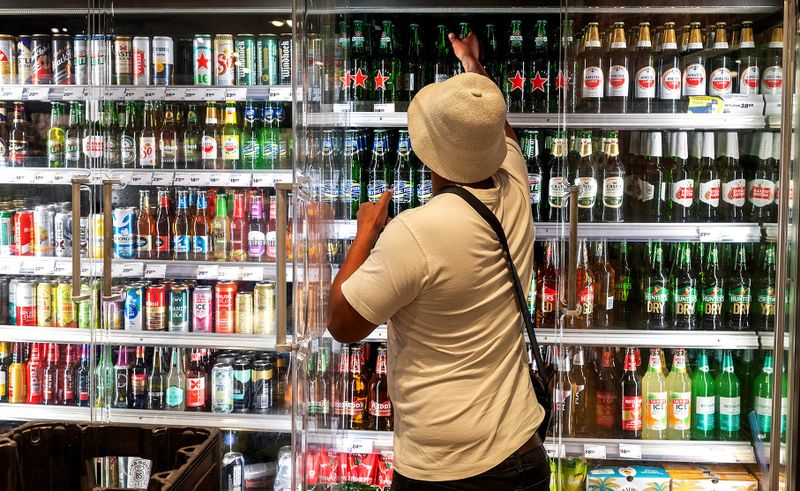
South Africans are paying higher taxes on beer than they did a decade ago, but beer has actually become more affordable in recent years. An analysis of over 138,000 beer prices shows why: higher taxes do not always lead to higher prices, and the size of the container matters more than many consumers realize.
For decades, South Africa's government has raised taxes on alcoholic beverages to discourage harmful consumption. However, higher taxes and prices do not always mean beer is less affordable. What matters is how beer prices change relative to people's incomes. If beer prices rise by 5% while incomes grow by 8%, beer becomes more affordable, even if its price at the register has increased.
The National Treasury taxes beer based on alcohol content. These taxes are adjusted each year based on inflation or tax incidence. Between 2008 and 2015, nominal beer tax increases kept pace with inflation, but from 2016 to 2021, beer taxes increased by an average of 3.6% above inflation. Since 2021, tax increases have moderated to an average of only 0.5% above inflation.
Using data collected from 2001 to 2024, the University of Cape Town's Research Unit on the Economics of Excisable Products (REEP) analyzed affordability by calculating what percentage of per capita GDP was needed to buy 160 litres of beer, the average consumption of a beer drinker. Between 2008 and 2015, beer prices rose faster than incomes, making beer less affordable as the share of per capita GDP needed to purchase 160 litres increased from 4.5% to 5.6%.
However, from 2016 onward, beer taxes increased faster than inflation while inflation-adjusted beer prices fell. This suggests producers absorbed some tax increases, a practice known as tax under-shifting. From 2016 to 2024, inflation-adjusted beer prices decreased by an average of 1.2% a year, while inflation-adjusted per capita GDP fell by 0.9%.
Beer became slightly more affordable, with the share of per capita GDP required to purchase 160 litres decreasing marginally from 5.7% in 2016 to around 5.5% for the period 2021–2024.
The study found that affordability varies by container size. The 750ml bottle (quart) is the most affordable option, with its average inflation-adjusted price remaining stable. Spending less than 4% of per capita GDP was needed to buy the equivalent of 160 litres in 750ml bottles. Smaller container sizes, such as 330–440ml cans, became less affordable over time, requiring up to 74% more income to purchase the same quantity by 2024. Six-packs also became less affordable but remained more affordable than smaller cans.
The findings suggest that if the government aims to reduce alcohol consumption, excise tax increases need to make beer less affordable over time. However, past tax increases did not always achieve this, especially when producers absorbed some tax increases. The National Treasury should consider larger, sustained tax hikes while monitoring their impact on prices and affordability. They should also pay particular attention to 750ml containers, as they have remained relatively affordable over the past two decades.
Rewritten by urgent.news; may contain errors — check the original.
Source: dailymaverick.co.za