El retorno del dólar fuerte y la debacle de las monedas emergentes
Dos eventos críticos en Estados Unidos han desencadenado el retorno de un dólar fuerte y una profunda corriente de depreciación en las divisas de los mercados emergentes.
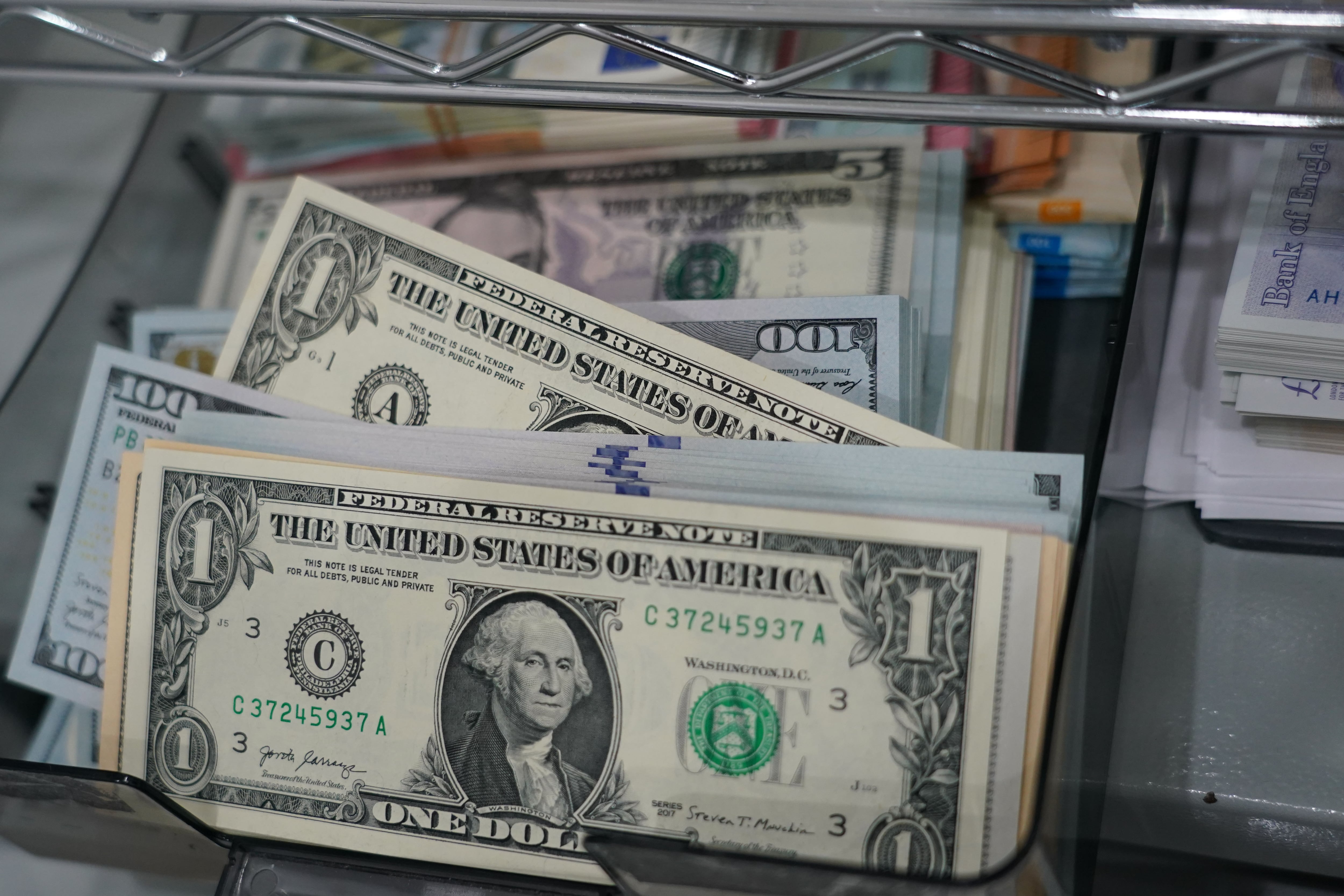
The resurgence of a strong dollar and a significant downturn in emerging market currencies have been driven by two key events in the United States. After the Federal Open Market Committee (FOMC), led by Kevin Warsh, raised the benchmark interest rate by 25 basis points to a range of 3.75%–4.00% on September 16th, this was the first increase since July 2023.
This move was prompted by persistent inflation and geopolitical tensions in the Middle East, which have driven up energy costs. The second catalyst came with the results of the midterm elections in November, when Democrats gained control of both chambers of Congress and won governorships in several key states. Although the Fed kept interest rates unchanged at the end of October, the results of the legislative elections and subsequent minutes rekindled expectations of a divided Congress with fiscal pressures.
This boosted the performance of U.S. 10-year Treasury bonds above 5%, catapulting the DXY to 19-month highs. For emerging market economies, the immediate impact was the accelerated unwinding of the carry trade - the strategy of borrowing cheap dollars to invest in high-yield currencies. This led to a capital flight to U.S. assets.
Latin America suffered the most pronounced losses against the 4.49% DXY gain, due to their currencies being overvalued and facing external shocks combined with domestic fiscal or political vulnerabilities. The Brazilian real led the global declines, hit by doubts about fiscal discipline after the election cycle, forcing the Central Bank of Brazil to intervene directly in the market.
The Mexican peso followed closely with a -10.50% drop, breaking the psychological barrier of 19 pesos in November. This was exacerbated by monetary divergence: while the Fed hardened its stance, the Bank of Mexico cut its rate to 6.25%, despite rising inflation, undermining the credibility of the central bank and eroding the appeal of domestic bonds.
In the Andean region, the Colombian peso fell -9.18%, due to liquidity scarcity and fiscal uncertainty, while the Chilean peso dropped -5.81%, affected by local economic contraction in the third quarter and a near 18% plunge in copper prices. Argentina's peso maintained its slide at -3.90%, amid a sovereign risk above 1,000 points.
Outside the Americas, the dollar's advance also outpaced the performance of developed market currencies. The South African rand, seen as a global risk appetite thermometer, retreated -7.46% after its central bank paused rates despite the Washington adjustments. In emerging Europe, the Hungarian forint fell -3.75% ahead of expected local rate cuts in December.
By year-end, the outlook for emerging currencies remains one of weakness, with the Federal Reserve's minutes suggesting the rate hike cycle could extend into spring 2027 if inflation does not relent. As of December 9th, a 25 basis point increase in the Federal Funds target is expected, while U.S. debt yields continue to rise. For economies with high public deficits or central banks that cut rates erratically, the exchange rate pressure remains strong.
Rewritten by urgent.news; may contain errors — check the original.
Source: elfinanciero.com.mx