EDUCATION EMERGENCY: 101 learners in one classroom, broken toilets, infrastructure collapse — SAHRC highlights schools crisis
The South African Human Rights Commission has found unsafe buildings, severe overcrowding, sanitation failures and inadequate support for vulnerable learners in public schools across all nine provinces — and is demanding urgent action from the Department of Basic Education.
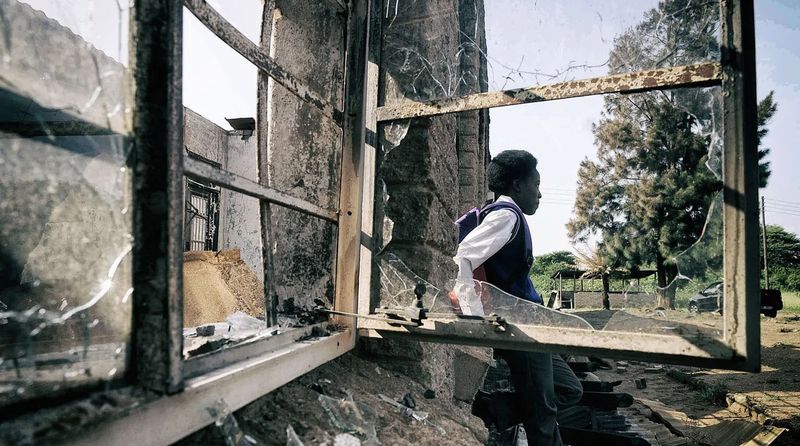
The South African Human Rights Commission (SAHRC) has uncovered a crisis in South African public schools, revealing unsafe buildings, severe overcrowding, inadequate sanitation, and insufficient support for vulnerable learners across all nine provinces.
One classroom in Limpopo houses 101 Grade 8 learners. In the Eastern Cape, only two of 30 toilets work at a primary school, while a school in Gqeberha has been without electricity since 2022.
The 2026 State of South African Schools Report, released on November 23, highlights that these are not isolated issues but widespread problems. Deteriorating infrastructure in every province was found, with some schools still utilizing asbestos-containing structures. Termite infestations and collapsing ceilings were discovered at Masiza High School in Limpopo, while Siloe School for the Blind had damaged roof ceilings.
Overcrowded classrooms are a severe issue, with class sizes exceeding 70 learners in several schools, including some in Limpopo. Nomzamo High School in Cape Town uses mobile classrooms that hold up to 60 learners each, and a lack of furniture forces learners to sit three to a desk.
Sanitation failures are rampant, with plain, unimproved pit latrines still in use in rural schools and newly installed Enviro Loo sanitation units non-functional due to contractor disputes. Water shortages further exacerbate the situation, with some schools spending R750 a week on private water supplies.
Crime, vandalism, and lack of security personnel pose significant threats to education across the country. Most schools lack funding for security and safety measures like CCTV cameras and alarm systems.
The executive commissioner of the SAHRC, Tshepo Madlingozi, emphasized that a child's socioeconomic status still plays a significant role in determining their educational outcomes. He warned that the right to basic education, guaranteed by the Constitution, remains inaccessible for many learners due to their geographical location and economic circumstances.
Rewritten by urgent.news; may contain errors — check the original.
Source: dailymaverick.co.za