Early action on diabetes requires shaping your metabolic disease risk
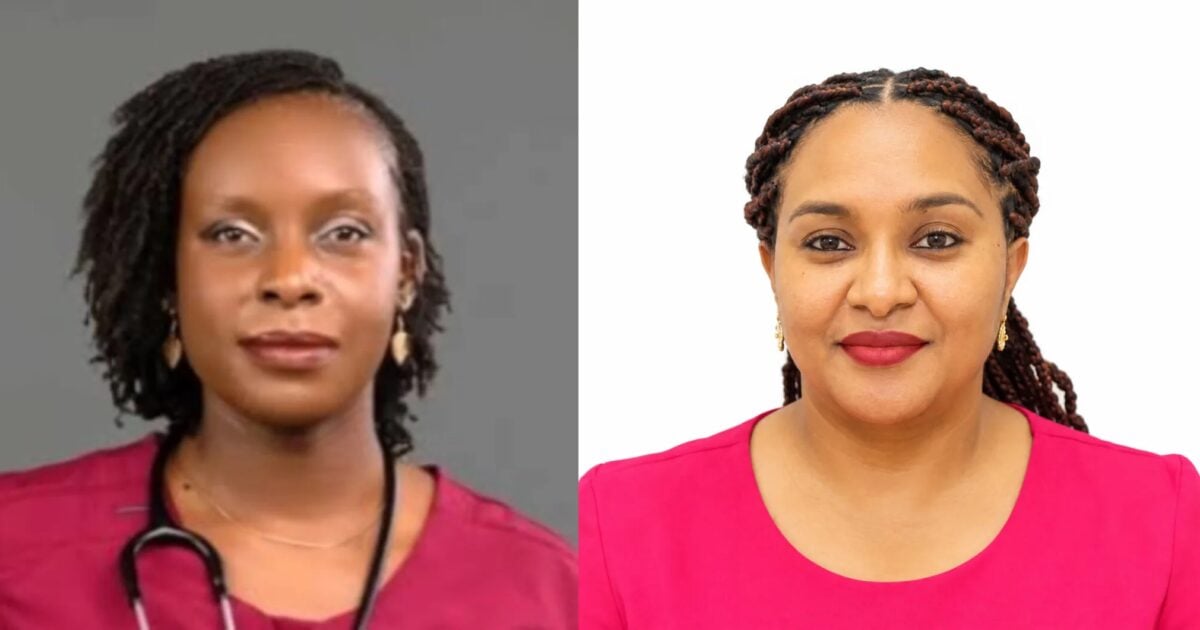
By Dr Rosslyn Ngugi and Dr Nicola Okech NAIROBI, Kenya, Nov 23 – Every doctor knows a patient who runs a small business and raises a family but has never…
Every doctor encounters patients who appear healthy despite having undiagnosed diabetes. These patients may have non-healing foot wounds, blurred vision or swollen ankles. Diagnosed blood sugar tests reveal elevated levels that have likely persisted for years. Kenya, according to the International Diabetes Federation (IDF), has 813,000 adults living with diabetes, with half of them undiagnosed.
By 2050, over 1.8 million Kenyans will have diabetes. This World Diabetes Day, "Early action on diabetes" is crucial for Kenya. The rise of diabetes is alarming across different medical fields. Obesity is the leading cause of type 2 diabetes, with those living with obesity seven times more likely to develop the disease. Excess fat, especially around the waist, hampers the body's insulin response, compelling the pancreas to produce more insulin until it can no longer keep up, leading to high blood sugar.
The 2022 Kenya Demographic and Health Survey shows that 45% of women aged 20-49 are overweight or obese, an increase from 38% eight years prior. Among men, 19% are overweight or obese, rising. This obesity epidemic does not stop at diabetes; it also increases blood pressure, affects cholesterol, and inflames the liver. Obesity and its related issues, such as hypertension and heart disease, contribute to non-communicable diseases (NCDs), which account for 38% of deaths in Kenya and over half of adult hospital admissions.
The cost of managing type 2 diabetes in Kenya alone is approximately KES 74.5 billion annually, primarily due to complications that could be prevented with earlier care. Clinics often address each condition separately, missing warning signs by assessing conditions in isolation. Patients are rarely asked about their waist size, a simple and cost-effective indicator of metabolic health.
Obesity is often viewed as a lack of willpower rather than a chronic, relapsing illness, causing many to feel ashamed and avoid seeking help until it's too late. However, the situation can change. Metabolic health risks are not inevitable. Some are beyond our control, like age and family history, but many are controllable. Shape Your Risk, a public conversation supported by the Kenya Diabetes Study Group and the Kenya Society of Obesity and Metabolic Health, encourages Kenyans to recognize obesity and diabetes as linked, treatable diseases best managed when detected early.
Early action involves knowing our numbers, such as weight, waist size, blood sugar, and blood pressure, all of which can be checked quickly at a clinic or pharmacy. If diabetes runs in your family or your waist measures more than 94 cm for men or 80 cm for women, ask for a blood sugar test and discuss the results with your doctor.
Healthcare professionals must also adopt a holistic approach, treating the convergence of obesity and diabetes rather than individual conditions in isolation. Every patient with hypertension or diabetes should have their weight and waist recorded, and all patients with obesity should be screened for diabetes. Diagnosing obesity, documenting it, and managing it through nutrition, physical activity, behavioral support, and medical treatment when necessary can prevent complications.
Early detection and management of diabetes can be maintained for decades at a modest cost, allowing for a full and healthy life alongside the condition. This World Diabetes Day, let us unite the stories of diabetes and obesity, recognizing their convergence. Dr. Rosslyn Ngugi is the President of the Kenya Diabetes Study Group, and Dr. Nicola Okech is the President of the Kenya Society of Obesity and Metabolic Health.
Rewritten by urgent.news; may contain errors — check the original.
Source: capitalfm.africa