Democrats’ tantalizing dream of a Blue Utah
If someone asked which shift or flip was most surprising in this year’s blue tsunami, you might be hard-pressed to choose. Kansas elected its first Democratic senator in nearly a century. Republicans lost every statewide race in Texas. With Democrats winning in South Carolina and Mississippi, conventional wisdom about what counts as a battleground went […]
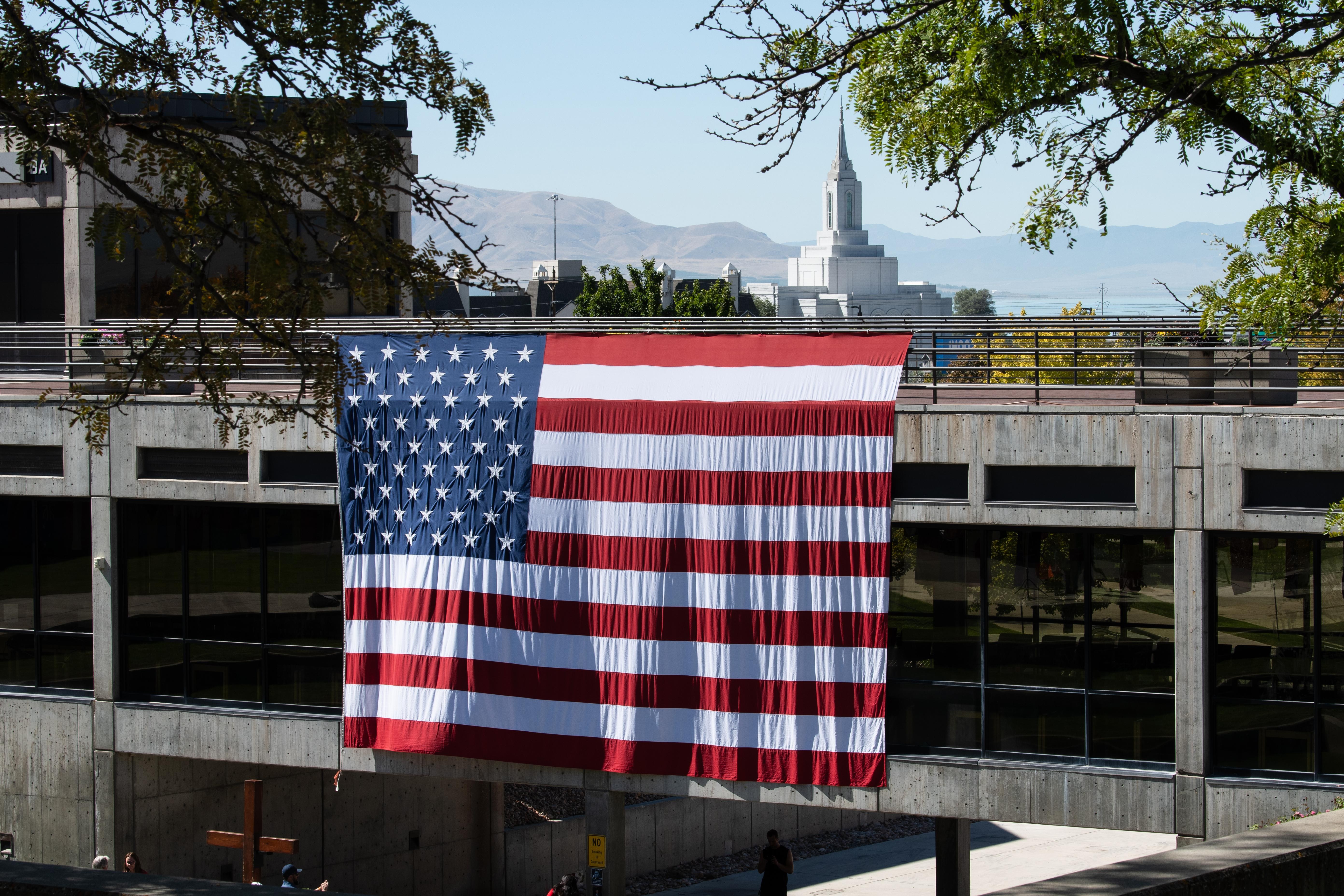
In the latest "blue tsunami" of this year's elections, Utah has become a surprising battleground for Democrats. The state, which last voted for a Democratic presidential candidate in 1964, has seen more votes cast for Democrats than Republicans for the first time in decades. While it's too soon to determine if this marks a broader trend, the results certainly challenge conventional wisdom about the political landscape of the country.
Utah's political shift can be attributed to several factors. The state has experienced a population boom, racial diversification, and an influx of both wealthier, college-educated residents as well as those attracted by lower living costs. These demographic changes have coincided with evolving ideological views among the population, particularly among Mormons, who make up a significant portion of the electorate.
Mormons, who form anywhere from 40 to 60 percent of the state's population depending on how you measure their identity, have traditionally been more likely to support Republicans. However, their uneasy relationship with the MAGA-era GOP may be worsening. While officially nonpartisan, prominent Mormons like Mitt Romney, Spencer Cox, Evan McMullin, and John Curtis have voiced their skepticism towards the Trump administration's policies and have become vocal proponents of social justice initiatives.
The disconnect between Mormon values and the Trump-era GOP's Christian nationalist rhetoric has created a rift within the community. Mormon leaders have attempted to project a moderate voice on immigration while remaining cautious about antagonizing the administration, leading to some tension. The church's rapid expansion outside of the US and its cosmopolitan worldview have also created a disconnect with the anti-immigrant turn of the Republican Party.
As a result, Utah's political landscape might be shifting, with the potential for Democrats to gain ground in a state that was once firmly in the Republican camp. The results from this midterm election could be a sign of a broader trend in American politics, where youth, racial diversity, and secularization continue to reshape previously uncontested territories into competitive battlegrounds.
Rewritten by urgent.news; may contain errors — check the original.
Source: vox.com