COP31'in ardından: Antalya'da fosil yakıtlar ayrıştırdı, elektrik birleştirdi
Antalya'da COP31'in kapanış oturumu başladığında, iki haftalık müzakerelerin kapsamlı bir anlaşmayla sonuçlanamayacağı anlaşılmıştı. COP31 Başkanı Murat Kurum'un sözleri tabloyu özetliyordu: "Yapılacak bir şey kalmadı. Elimizden geleni yaptık." Avrupa Birliği heyeti salonu terk ederken, yaklaşık 200 ülkenin katıldığı zirve, planlanan bitiş tarihinin iki gün ötesine taşarak COP tarihinin en uzun…
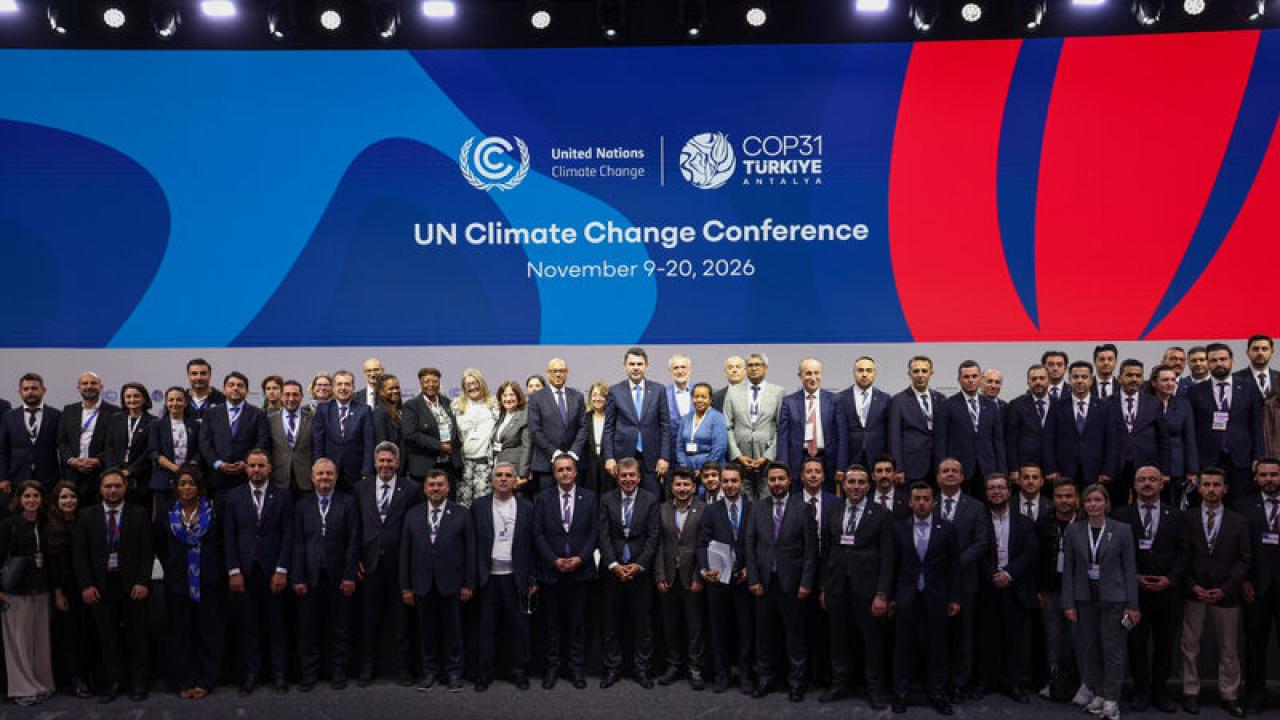
Upon the conclusion of COP31, Antalya witnessed the merging of fossil fuels and the integration of electricity. The conference president, Murat Kurum, summarized the week-long negotiations in a single statement: “Nothing happened. We did what we could.” With the host, the European Union, and 200 nations remaining, the summit turned out to be the longest in COP history.
However, the only thing left was disagreements. Turkey's electrification initiative has set a new path in the global energy transition. But why did fossil fuels hold the floor? The Leaders' Summit, where 37 state and government presidents attended, included COP31. When Turkey took over the presidency, Australian Energy Minister Chris Bowen guided the negotiations.
The main disagreement was over fossil fuels. In the first draft, the term "fossil fuel" appeared six times, but in the final version, it was completely removed. This change alone highlighted the disagreements. Saudi Arabia, Russia, and India opposed the mention of fossil fuels. Countries led by the European Union, France, and Panama demanded stronger commitments, while the Marshall Islands found the wording insufficient.
Panama's environment minister, Juan Carlos Navarro, described the world as the "petroleum mafia's nest," increasing tension in the room. Bowen noted the "irreconcilable red lines" between parties and U.N. Secretary-General António Guterres expressed deep disappointment. Former Vice President Al Gore argued that a major oil-producing country could veto any mention of fossil fuels in the final deal.
Türkiye made diplomatic efforts for the last-minute agreement, but aligning different economic interests was impossible. Without the U.S. sending a second official delegation in two years, the conference was attended by roughly 120 people, including various climate diplomats, mayors, and Congress members. Türkiye's energy analyst Barış Sanlı called this a simulation of a U.S.-free climate diplomacy.
Despite the summit, the question remained: who would lead the climate agenda without Washington? Antalya brought the most significant achievement in the form of the 35-by-35 Global Electrification Target, Turkey's leadership in this initiative. The target aims to increase electricity's share in global final energy consumption from 20% to 35% by 2035.
More than 150 countries, 37 cities, and 260 companies were part of the plan. Energy analyst Sanlı emphasized that electrification offers a pragmatic "third way" against the ongoing fossil fuel-versus-renewable energy clash. He also mentioned the possibility of surpassing the 1.5-degree target with technological advancements like artificial intelligence.
However, he didn't rule out the potential for this target to change in the future. The true significance of electrification lies in supporting modern energy access and development in Africa and emerging countries. This way, the energy transition becomes not only a means to reduce emissions but also a tool for economic growth. Türkiye's 2040 vision, as outlined by Energy and Natural Resources Minister Alparslan Bayraktar, in the National Energy 2040 vision, expects around $500 billion in investments.
Bayraktar also highlighted the need for approximately $300 billion in investments for energy transition. Türkiye aims to increase its electricity-generating capacity from 128 gigawatts to 281 gigawatts and raise the share of renewable energy in total capacity to 77%. Antalya's electricity agenda aligns with Türkiye's energy security, competitiveness, and transition vision.
The COP31 outcome illustrates that COP31 was not just about reaching a comprehensive agreement; it showcased Türkiye's diplomatic efforts to bring together countries with different economic interests and its contribution to the electrification's rise in global agendas. However, the inability to reach an agreement revealed deep divisions in energy policies.
The future of fossil fuels, nuclear energy's rise, and the increasing demand for artificial intelligence-powered electricity will only intensify these debates. The COP32 in Ethiopia, slated for 2027, will address critical issues stemming from Antalya. As the highest emitters of historical emissions, the U.S. did not send a formal delegation.
China and Russia defended their energy priorities while the European Union demanded stronger climate commitments. Yet, a common roadmap remained elusive. Antalya opened a new joint working area through electrification, where the future of energy transition would be determined not just by diplomatic agreements but by investments in electric grids, substations, factories, and new technologies.
Lastly, the Bloomberg HT team, led by General Publishing Editor Açıl Sezen, delivered an exemplary live broadcast and special program during COP31. They are lauded for their outstanding work throughout the conference.
Rewritten by urgent.news; may contain errors — check the original.
Source: bloomberght.com