«Con man nation»: Die Amerikaner können von ihren Hochstaplern einfach nicht genug bekommen
Eine Dokumentation über die verurteilte Theranos-Gründerin Elizabeth Holmes erobert die USA im Sturm. Abscheu, Bewunderung und Schadenfreude treiben die Zuschauer in die Kinos – wie immer, wenn Amerika sich mit seinen Quacksalbern und Betrügern befasst.
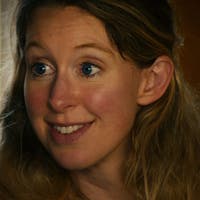
The United States is captivated by the story of Elizabeth Holmes, the founder of the failed blood test startup Theranos, who is currently serving a prison sentence in Texas after defrauding her investors. Holmes' story has moved Americans more than ever before due to the documentary "You Can See Everything," which premiered in October and portrays her final days of freedom and her absurd attempt to improve her image through a documentary.
The film has fascinated the nation, as it raises questions about whether Holmes or her ex-partner Billy Evans, a hotel heir with a controlling personality, is the real villain in the Theranos saga. The hype surrounding "You Can See Everything" reflects the American obsession with their con artists and fraudsters, a relationship that has deep historical roots.
In 1849, a Manhattan con man named William Thompson lured wealthy men into a friendly conversation and asked if they would lend him their golden wristwatches for a day. Thompson succeeded in swindling at least half a dozen watches before being caught and sentenced. The term "confidence man" or "con artist" became ingrained in American cultural memory, indicating that Americans view this form of deceit as an art form.
A successful con man embodies attributes admired in the United States: creativity, business acumen, and sales talent. He lives a perverse form of the American dream, inspiring others to dream as well. In the 19th century, the young country was the stage for gentry and market charlatans who traveled from city to city, using dubious means to earn their money.
The most famous among them was Clark Stanley, who displayed live rattlesnakes at the 1893 World's Fair in Chicago, throwing them into boiling water until the fat separated. He then sold bottles of rattlesnake oil, claiming it could cure various ailments, only to later discover that the contents were nothing but mineral oil, cow fat, and a little chili.
Stanley had deceived his customers, but his show had entertainment value. The "rattlesnake oil salesman" was born. Grand promises are made in the United States not only by con artists but also by legitimate entrepreneurs. The line between them can be blurred. The motto "fake it till you make it" is familiar to Silicon Valley tech founders long before Elizabeth Holmes made headlines in her black blazer.
Even successful entrepreneurs like Elon Musk, who developed revolutionary products, have repeatedly made unrealistic promises, often facing regulatory issues. For example, in 2018, Musk claimed on Twitter that he was taking Tesla off the stock exchange and falsely stated that financing was already secured. Since then, Musk has had to present all his posts about Tesla to the company's legal department before sharing them online.
Regardless, some con artists in the United States gain a sort of folk hero status, while others are deeply despised. This depends on their background and the victims they choose. If con artists exploit the gullibility of the financial elite, it often brings widespread schadenfreude among the population – after all, it's the bankers and billionaires who deserve it!
Skepticism towards an elite perceived as aloof and corrupt runs deep in the United States, tracing back to its founding father, Thomas Jefferson, who considered independent, self-sufficient farmers as the backbone of the republic. This effect was partly seen in Holmes, who swindled numerous influential men, including publisher Rupert Murdoch, who invested $125 million in Theranos, and former Secretary of State Henry Kissinger, who sat on the startup's board for years and promoted it.
Despite this, Holmes is not a modern-day Robin Hood. In the screenings of "You Can See Everything," expressions of disbelief emerge when she claims never to have lied in her life, even though the faulty Theranos tests not only tarnished her image but also undermined the credibility of the super-rich who invested in her company.
Rewritten by urgent.news; may contain errors — check the original.
Source: nzz.ch