Capital sí hay; lo difícil es retenerlo
De las distintas reflexiones que surgieron durante la conversación, hubo una que llamó especialmente mi atención y sobre la que vale la pena profundizar: hoy resulta difícil analizar por separado cómo se levanta capital, dónde se invierte y cómo, finalmente, se recupera.
This past week, I had the opportunity to moderate a GRI Institute conversation in Miami on Latin Fundraising Dynamics, featuring investors and managers actively participating in US and Latin American markets to exchange perspectives on capital attraction and investment dynamics in the region. Among the various insights that emerged, one particularly caught my attention, which merits further examination: it is challenging today to analyze separately how capital rises, where it is invested, and ultimately how it is recovered.
The investment environment for real estate has changed significantly. Interest rates continue to influence the cost and availability of financing, and uncertainty makes decision-making and transaction execution more complex. During the previous cycle, it was sufficient to identify a good asset, secure financing, and achieve a certain return.
Today, a prospect must demonstrate that it can be financed, executed, and, at the right moment, refinanced or sold under reasonable assumptions. This brings an important distinction: the mere presence of capital does not guarantee its usefulness for a particular investment. Debt may exist, but not in the amount, term, or cost that allows investor capital to achieve the expected return.
A transaction that worked a few months ago may simply cease to function. The problem lies not only in the level of rates but also in the uncertainty surrounding them. This does not mean that transactions disappear; some will adjust their price, others will take longer to close, and others may not occur at all. The same applies to the fate of capital.
Speaking of Latin America as a single market is insufficient when investing: Mexico, Brazil, Colombia, and Chile have very different dynamics. For international capital, the comparison is not only between countries within the region, but also in contrast to the United States and other developed markets. The question is necessarily relative: does the additional return compensate for higher currency, liquidity, regulatory, and execution risks?
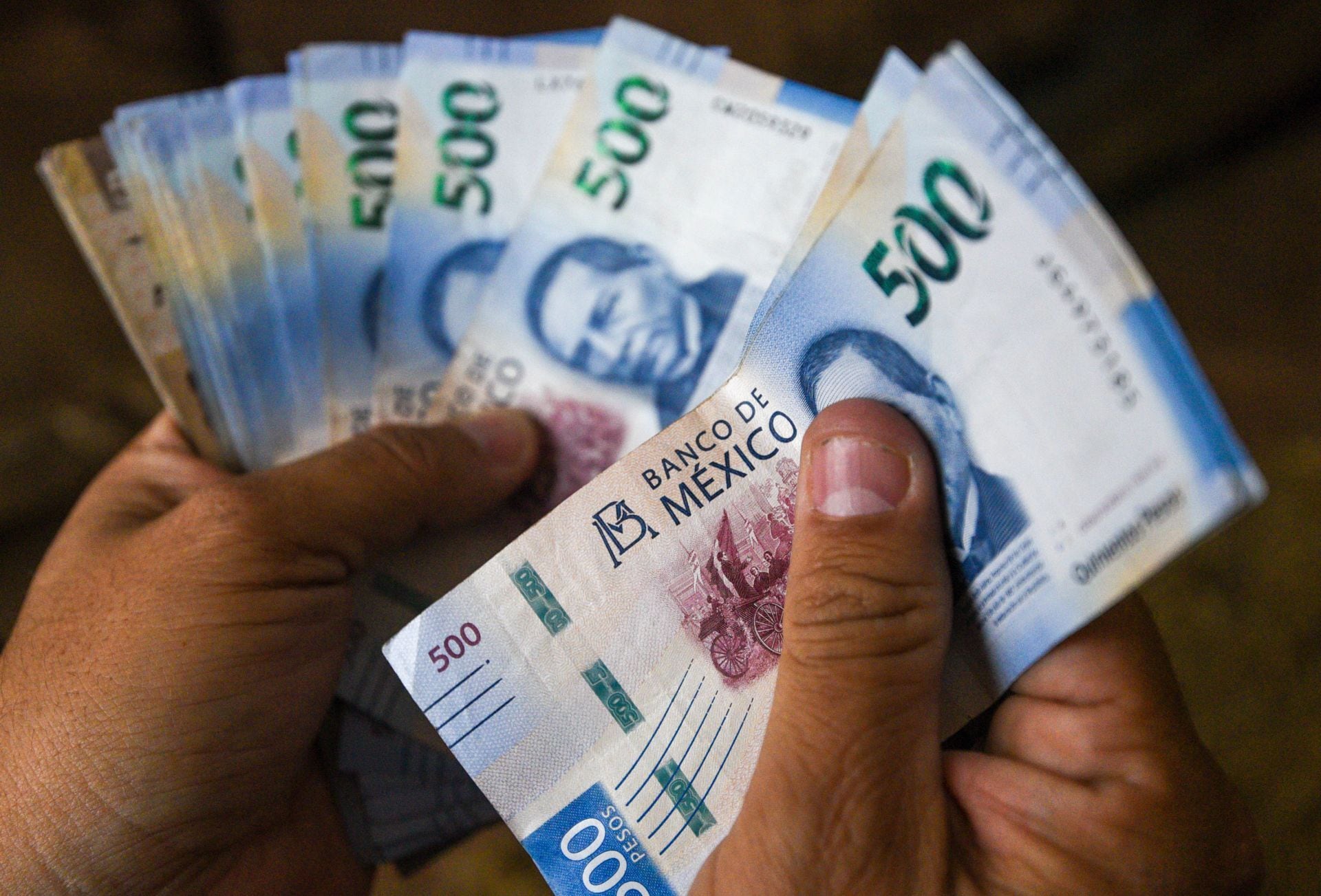
More than a scarcity of capital, we are witnessing selection. When raising capital, institutional investors would avoid concluding that "there is no capital." The capital exists; what changed is the standard for accessing it. Institutional investors have more alternatives and can afford to wait. Today, they pay attention to something far more tangible than projected returns: how much capital they have actually received from their previous investments.
A good track record of results and an attractive thesis are still fundamental, but they are no longer enough on their own. Distributions made, execution capacity, corporate governance, and shareholder alignment weigh even more. In other words, the investor no longer only evaluates where to place their capital; they evaluate, with much greater care, with whom to do so and under what conditions.
The fiscal and legal structure also plays a part in the return. In my experience, this element is not always given the weight it deserves when discussing capital allocation. Two similar assets can generate very different results depending on how their entry, financing, tenure, distributions, and exit are structured. In cross-border investments, retention, access to treaty benefits, indirect taxes, and exit taxation can significantly impact the final performance received by the investor.
Therefore, the fiscal discussion should not begin once the decision to invest has been made; it should be part of the investment evaluation itself. This does not mean designing an investment around a fiscal benefit; the economic fundamentals and business rationale should still be the starting point. However, a good structure cannot rescue a poor investment; an inefficient structure, on the other hand, can erode a significant portion of a good investment's value.
This is where investment, financing, taxes, and transactional execution cease to be separate disciplines. The exit begins the day an investment is made. With abundant liquidity, it was easy to assume that a good asset would find a buyer or that debt could be refinanced. Today, these premises must be analyzed from the start. What if the asset needs to remain two years longer?
What if refinancing costs more than expected? Is there really an institutional buyer at the end of the investment period? Moreover, the entry structure conditions exit alternatives. Selling the property, selling the vehicle that maintains it, recapitalizing, or moving to a listed vehicle, such as REIT, can have very different economic and fiscal consequences.
That is why exit must be modeled financially from day one and structured from day one. There is more: the exit of the current fund can determine the ability to raise the next one. Without distributions, investors have less margin for new commitments; without returned capital, raising a new vehicle becomes more difficult. Thus, the circle closes.
The Latin American capital paradox deserves more attention in my opinion: part of the capital that Latin America seeks is already present in the region. When an entrepreneur or family office sells a business, the natural decision in an uncertain environment is diversification: dollarize, protect heritage, and seek deeper and more liquid markets.
For many, this destination is the US real estate market. The paradox is evident: while regional managers compete for international institutional capital, part of the capital already exists in the region.
Rewritten by urgent.news; may contain errors — check the original.
Source: elfinanciero.com.mx