AI is doing to programmers what mechanisation did to farmers, weavers: Vembu
Sridhar Vembu argues AI could transform intellectual work just as mechanisation transformed traditional trades, citing examples of AI tackling complex coding and engineering tasks with striking speed.
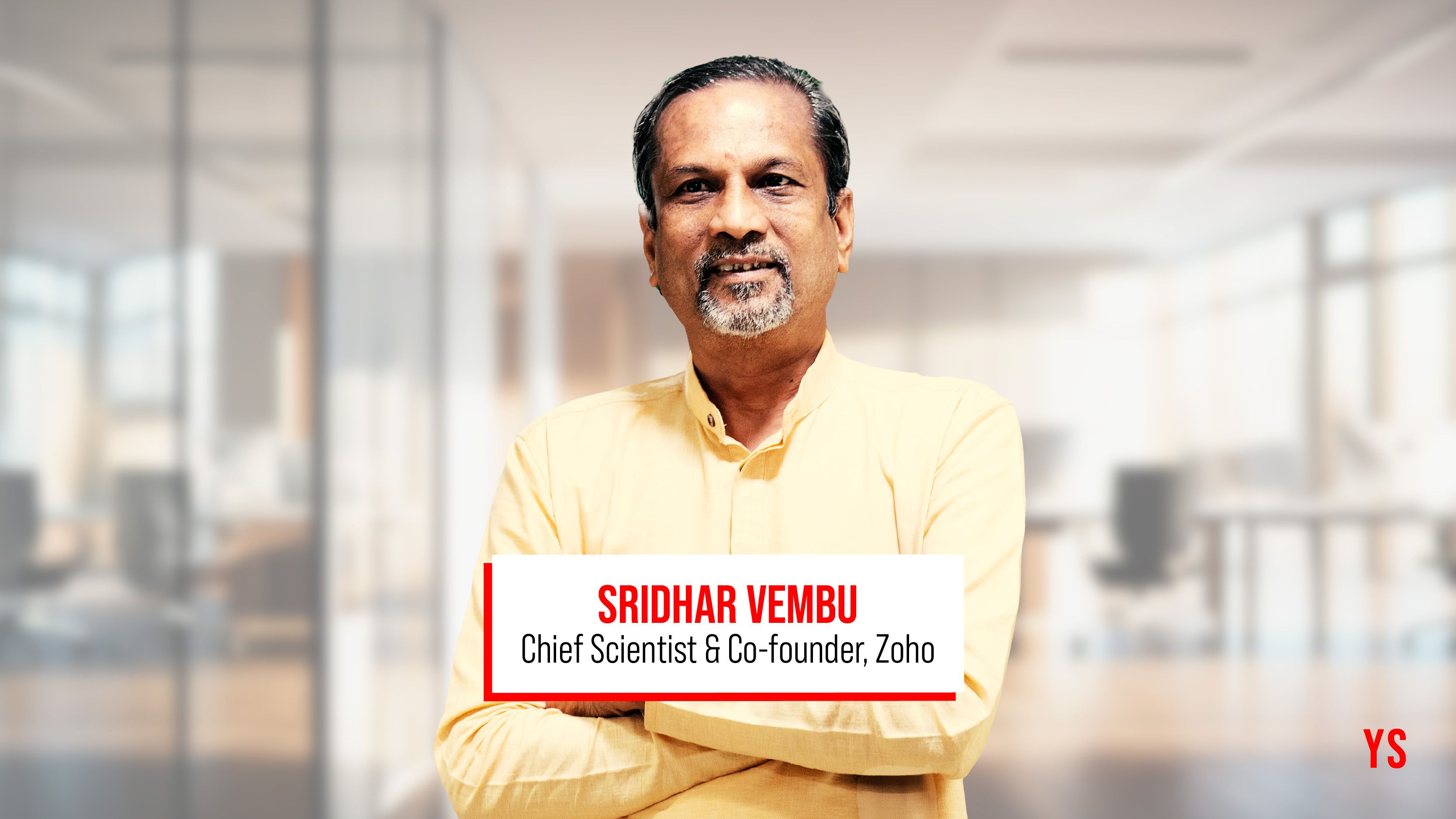
Sridhar Vembu, co-founder of Zoho, draws a parallel between the mechanisation that transformed the lives of farmers, weavers and craftsmen, and the potential impact of artificial intelligence on mathematicians and programmers. In a post on X, Vembu suggests that AI could begin to displace work traditionally associated with highly skilled professionals, mirroring earlier technological advances that reshaped occupations reliant on manual skills.
Illustrating his point, Vembu recounts two instances where AI demonstrated its capabilities. First, he utilised AI to optimise code during a journey, a task he estimated would typically take a highly skilled programmer at least a month to complete. The AI system comprehended Vembu's high-level intent, generated a detailed plan, and executed the code accurately, testing it against comprehensive test cases generated independently. This process cost only approximately $4 in computational tokens.
Vembu's second example involved a colleague without an engineering background who employed a personal AI account to create a CAD design for a motor housing. This AI, running on newly released, cost-effective CAD software installed on the colleague's computer, operated the tool without it being part of the AI's training. Vembu emphasized that AI has the potential to enable individuals to engage in technical work that was previously out of reach.
The AI researcher Subbarao Kambhampati's observation that "The intellectual class never quite experienced the loss of purpose in their lives that many other classes of humans experienced" informs Vembu's analysis. Kambhampati argues that while mechanisation displaced weavers and craftsmen, AI now poses a threat to mathematicians, programmers, and other knowledge workers.
Vembu suggests that this anxiety might stem from a newly affected class perceiving a loss of individual purpose as a broader crisis of humanity. However, he posits that future generations may adapt to AI handling much of today's intellectual work, which is already trending in that direction. AI tools, such as Anthropic's analysis of 400,000 Claude Code sessions and Microsoft's MAI Code 2 models integrated with GitHub Copilot, facilitate planning decisions while allowing humans to focus on other aspects of the task.
Vembu acknowledges both the displacement of specialised skills and the democratization of technical work through AI.
Rewritten by urgent.news; may contain errors — check the original.
Sources: yourstory.com · timesofindia.indiatimes.com
Also reported by 1 other outlet
- Zoho founder Sridhar Vembu says, ‘What machines did to weavers, AI is starting to do to…’ timesofindia.indiatimes.com