Agong pelihara keseimbangan Perlembagaan menerusi titah pengampunan Najib
Titah itu membuktikan Raja-Raja Melayu tidak akan terpengaruh dengan usaha pihak berkepentingan politik yang mahu memperalat kuasa pengampunan.
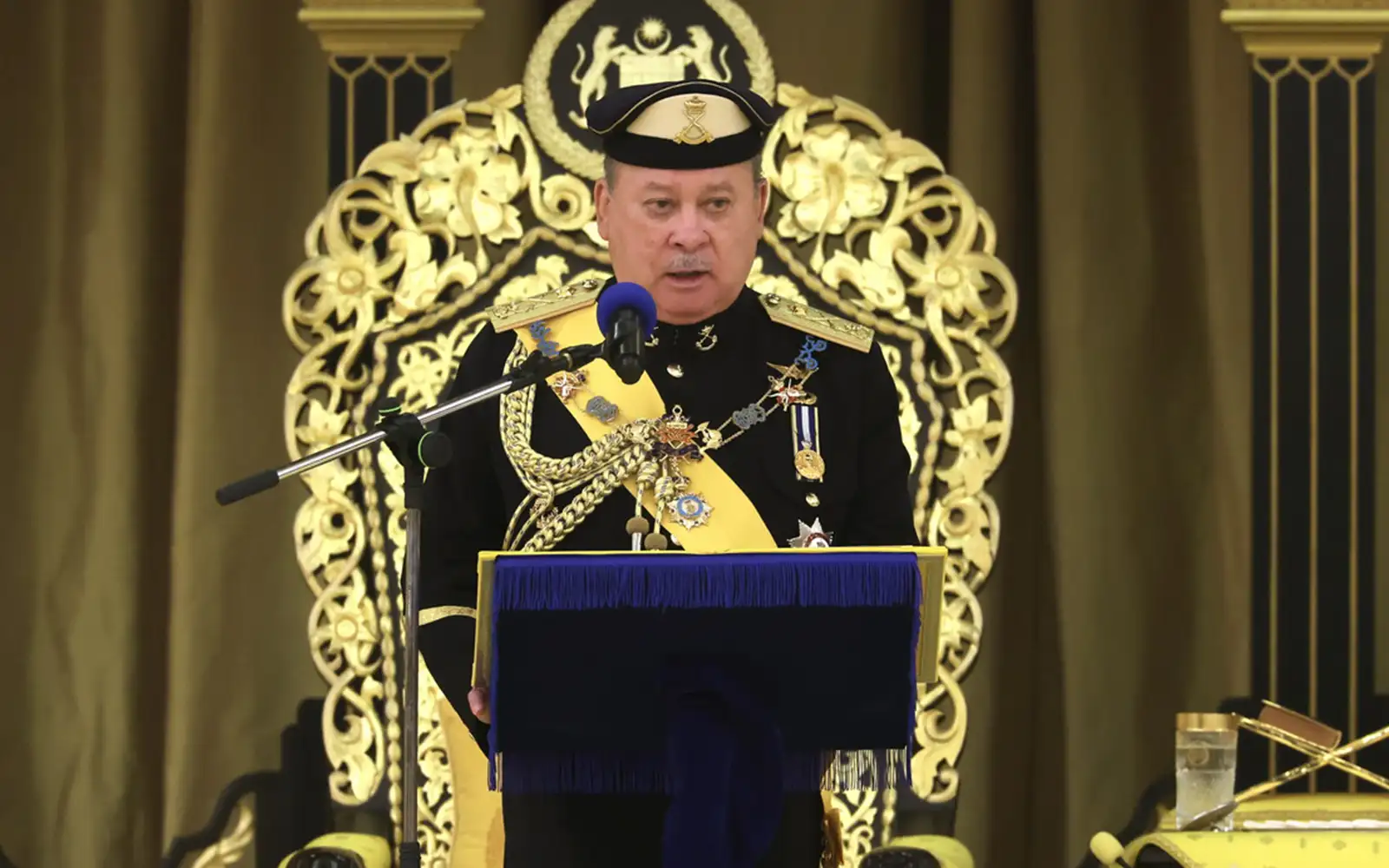
Throughout history, constitutional scholars have acknowledged that a judicial decision is made by a judge who is a common human being, not someone perceived as wealthy or incapable of error. Judges, too, are humans prone to error. They perform their duties within a legal system that has its own limitations, including the proceedings which depend on arguments from both sides and evidence presented before the court.
Due to this, almost all Commonwealth nations maintain a provision in their constitution that allows the head of state to grant forgiveness. In most countries, this power can be used without a strong justification. The purpose is not to disregard justice, but to balance the execution of law with mercy, while also correcting possible injustice caused by the weaknesses inherent in the judicial process.
In my view, the address by the Yang di-Pertuan Agong to Najib Razak should be for Najib to pay a fine of RM50 million and serve the remainder of his imprisonment sentence under house arrest. This measure strikes a balance between the most judicious and balanced course of action that I have witnessed throughout my career in the legal field.
This stance is in line with the constitution, benefiting the nation, maintaining the dignity of the institution, and contributing to the strengthening of social justice. It also proves that the Royal Houses of Malaysia will not be swayed by flattery or attacked arguments, social media pressure, or certain individuals within the institution trying to use forgiveness for political party gain.
In my opinion, the SRC International and 1MDB cases against Najib, which proceeded without Jho Low and other alleged key individuals, but not in their names individually, were based on insufficient facts to allow the court to make a final judgment. This is because much of the foundation of the case relied on the actions of the person accused as the mastermind, but they were not present in court.
The attempt to prove malicious intent and the accused's knowledge based on indirect statements or information passed through third parties, while the accused mastermind remains free and has not been examined by the court, makes the case insufficient from the constitutional standpoint for a final judgment to be made based on evidence beyond reasonable doubt.
Najib was appointed as Prime Minister by the Yang di-Pertuan Agong under Article 40 and 43 of the constitution. Given the lack of clear evidence in the case, the Federal Court should consider a broader balance within the constitutional framework when enforcing its judicial power. Based on the foundational principle of the oath of judicial office, the Federal Court has the power, within its own initiative (suo motu), to issue orders and directives to take independent action for the purpose of upholding justice, preserving the constitution, and preventing any breach of constitutional principles.
In my view, this includes directing something to be brought before the Royal Malay Council for appropriate action and address. If necessary, the court can also direct the government to facilitate the implementation of the relevant address through constitutional amendment and enactment. Such an approach is better than allowing the government and its agencies to drag the court into an effort to find something almost impossible to achieve.
This situation not only risks undermining the judicial power to the extent that it goes beyond the limits set by the constitution, but could also cause division among the people. The forgiveness power is a constitutional exception to the principle that a court decision is final. In Commonwealth nations, it is not uncommon for a court decision to be perceived as possibly influenced by bias, whether related to interpretation of the constitution, politics, prosecution actions, race, religion, conflict of interest, or approaches in interpreting and applying the law.
In such a situation, the forgiveness power becomes the last solution provided by the constitution to someone proven to have committed an error. This article is the author's opinion and does not necessarily reflect FMT.
Rewritten by urgent.news; may contain errors — check the original.
Source: freemalaysiatoday.com
Other reports of this story
- Agong pelihara keseimbangan Perlembagaan menerusi titah pengampunan Najib freemalaysiatoday.com