8 of the deadliest insects in the world and the dangers they pose
Insects, often underestimated, hold the title of the world's deadliest creatures. Not due to their bite per se, but because of the diseases they carry. These tiny menaces pose serious threats to human health, transmitting illnesses, delivering potent venom, and triggering severe allergic reactions. Here are eight of the deadliest insects and why they warrant our attention.
First on the list is the mosquito, a global menace responsible for more human deaths than any other animal. Female mosquitoes transmit deadly diseases like malaria, dengue, chikungunya, yellow fever, Zika virus, and West Nile virus. These diseases afflict hundreds of millions annually, making mosquitoes the true killers among insects.
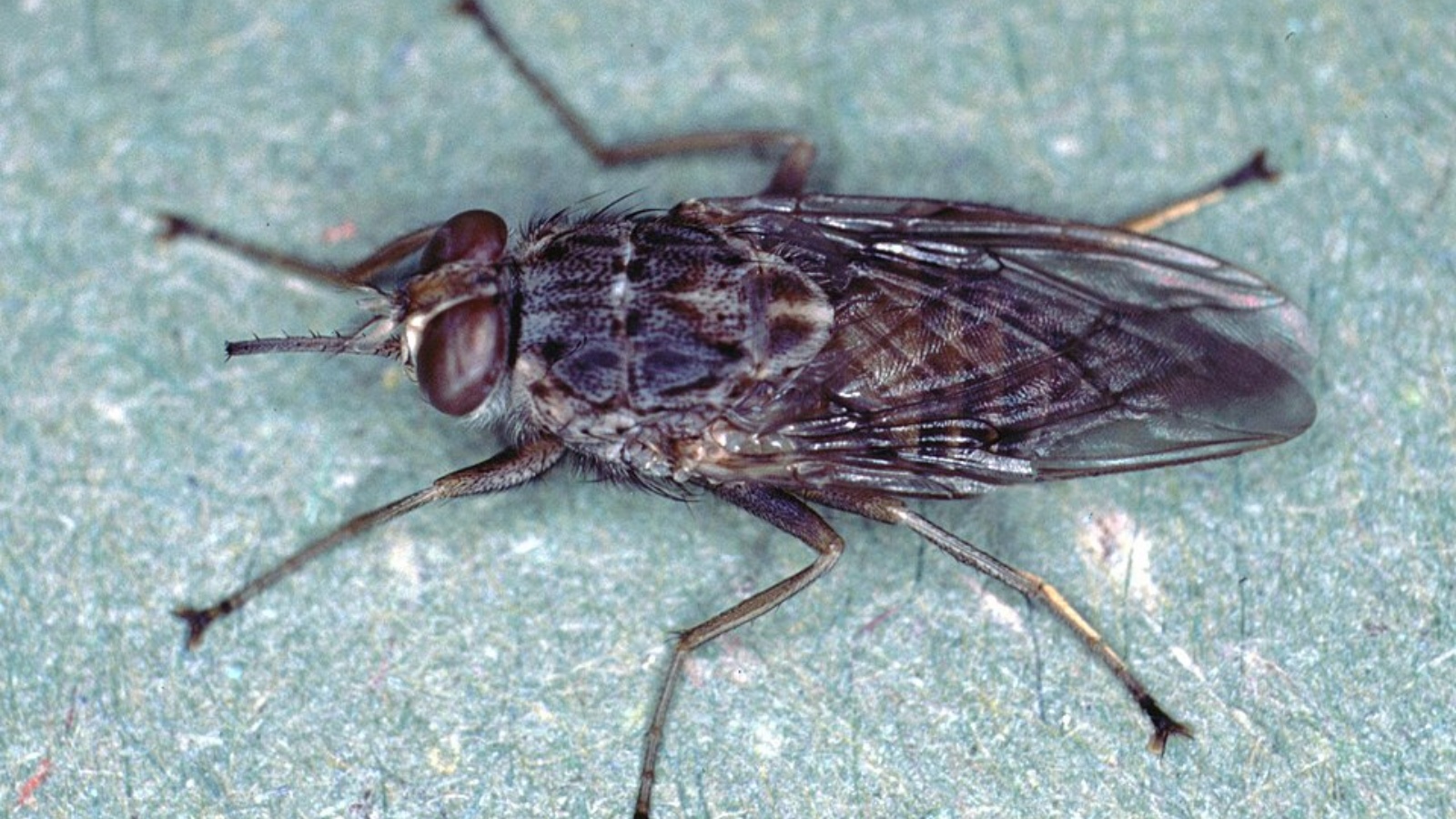
Next, the tsetse fly, found across sub-Saharan Africa, transmits parasites causing African sleeping sickness. If untreated, this disease can impair the brain and nervous system, leading to confusion, sleep disturbances, coma, and ultimately death.
The kissing bug, or assassin bug, feeds on blood, usually biting people around the face while asleep. It can transmit the Trypanosoma cruzi parasite, causing Chagas disease. This infection may remain dormant for years before manifesting as severe heart and digestive complications.
The Asian giant hornet, the world's largest hornet, is notorious for its powerful venom that causes excruciating pain and swelling. Multiple stings can be life-threatening, especially for those allergic or attacked by swarms.
The bullet ant, native to Central and South America's rainforests, delivers one of the most excruciating insect stings. Victims liken the pain to being shot by a bullet, describing symptoms like severe swelling, muscle spasms, and temporary paralysis.
Fire ants, aggressive when their nests are disturbed, latch onto the skin and sting repeatedly, injecting venom that causes burning pain and itchy pustules. In sensitive individuals, these stings can trigger life-threatening allergic reactions requiring immediate medical care.
Fleas, though tiny, have a notorious past. They transmitted plague-causing bacteria during historic pandemics, still spreading diseases like murine typhus and flea-borne spotted fever today. They can also transmit tapeworms to pets and humans.
Lastly, the deer tick, an arachnid often grouped with insects, is a major carrier of Lyme disease. Other tick species spread Rocky Mountain spotted fever, babesiosis, and Crimean-Congo hemorrhagic fever across various regions.
Rewritten by urgent.news; may contain errors — check the original.
Source: indianexpress.com