Women’s Sports Have Gotten Too Big for Small Stadiums
The Washington Spirit want contingency plans for events scheduled during NWSL playoffs.
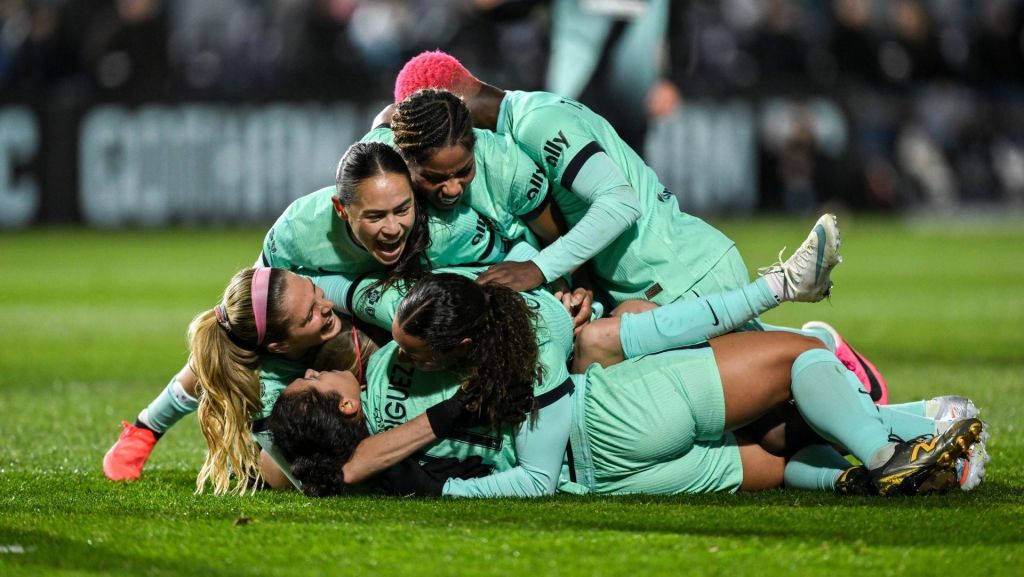
Women's sports have seen exponential growth in recent years, yet this expansion has brought about significant scheduling challenges for many teams. This fall, several WNBA and NWSL championship-contending teams encountered scheduling conundrums, forcing them to make difficult decisions. The WNBA Finals saw the Atlanta Dream relocate three games from their home venue due to conflicts with other events.
Similarly, three highest-seeded teams in the NWSL playoff semifinals faced conflicts at their home venues, which they do not own. The Washington Spirit played their semifinal with college football lines painted on the field, while Gotham FC moved their match to a smaller venue due to poor pitch conditions. This issue extends beyond women's sports, as MLS's Chicago Fire cannot host their playoff game at Soldier Field due to a Chicago Bears game scheduled on the same date.
These scheduling struggles highlight the growing pains associated with the rapid rise of women's sports and raise questions about how teams can prevent such issues in the future. Jessica Berman, NWSL commissioner, acknowledged the need for improvement in infrastructure, emphasizing the importance of controlling or influencing venues.
The WNBA and NWSL have chosen ownership groups that already own men's teams or are building their own stadiums, which has resulted in scheduling headaches. Contingency dates, a standard practice in NBA arenas, could be a solution to these scheduling issues. The Washington Spirit is planning to incorporate contingency dates going forward, crediting their partner D.C.
United for finding a solution to their double-header at Audi Field. The WNBA has not seen such issues receive significant attention in the past, but recent attention from players like Caitlin Clark and Angel Reese has brought it to the forefront.
Rewritten by urgent.news; may contain errors — check the original.