Why Mercedes' tow plan for George Russell fell apart in Las Vegas
Qualifying for the Las Vegas Grand Prix was decided as much by slipstreams as it was by actual car and driver performance, and this was very clear when looking at Mercedes. Kimi Antonelli went fastest with a 1m33.893s at the chequered flag, but takes a five-place grid penalty for an engine change. George Russell, who needed the better grid slot in his fight with Max Verstappen for second in the…
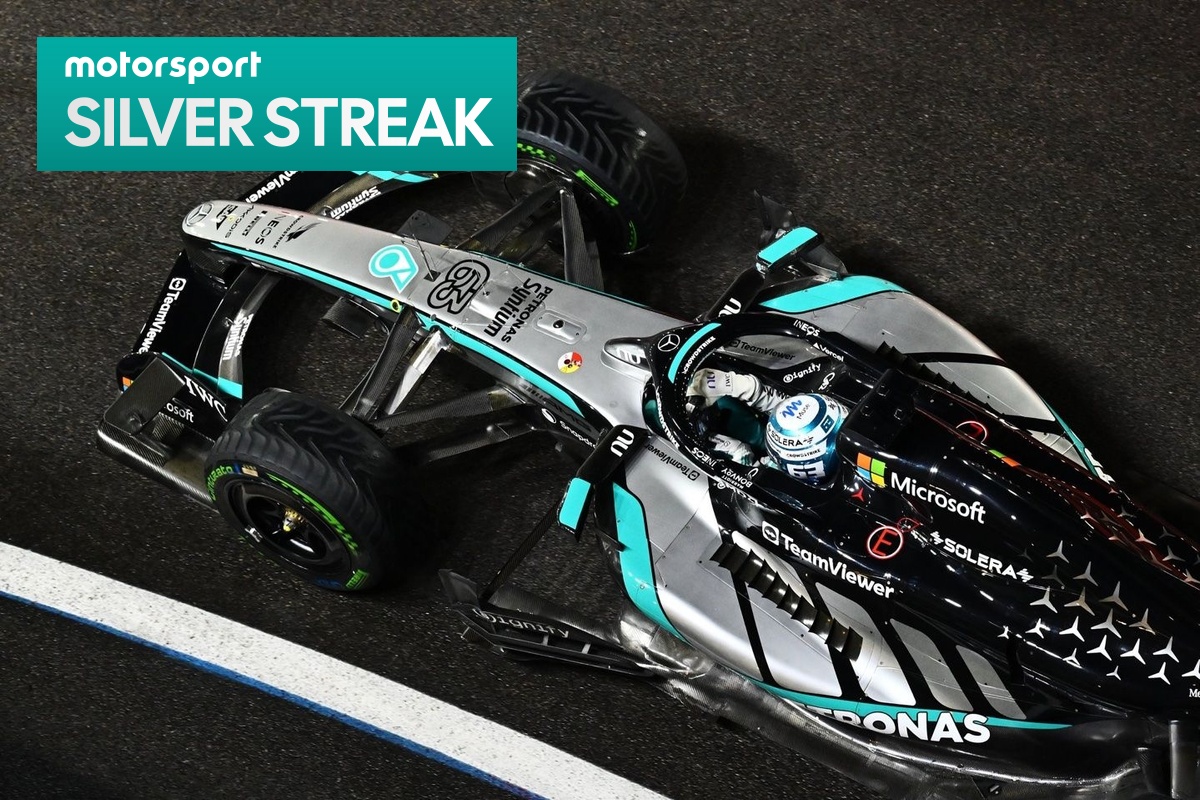
Mercedes' strategy to use slipstreams for George Russell during the Las Vegas Grand Prix proved unsuccessful, as the plan fell apart during the qualifying session. The extreme slipstreams, caused by the long straights and cold, dense air in Las Vegas, had a significant impact on the drivers' performance. Kimi Antonelli, who managed to secure a faster qualifying time, took a five-place grid penalty for an engine change, while George Russell ended up third.
This position was not ideal for Russell, as he needed the better grid slot to compete with Max Verstappen in the championship fight. Russell suffered from a seven-tenth loss to Antonelli in the final sector alone, and nearly a second to Verstappen. Despite Mercedes' attempts to orchestrate the slipstreams, the strategy proved to be a gamble, with drivers like Antonelli having the final say in their preparations.
Rewritten by urgent.news; may contain errors — check the original.