Why do wolves howl?
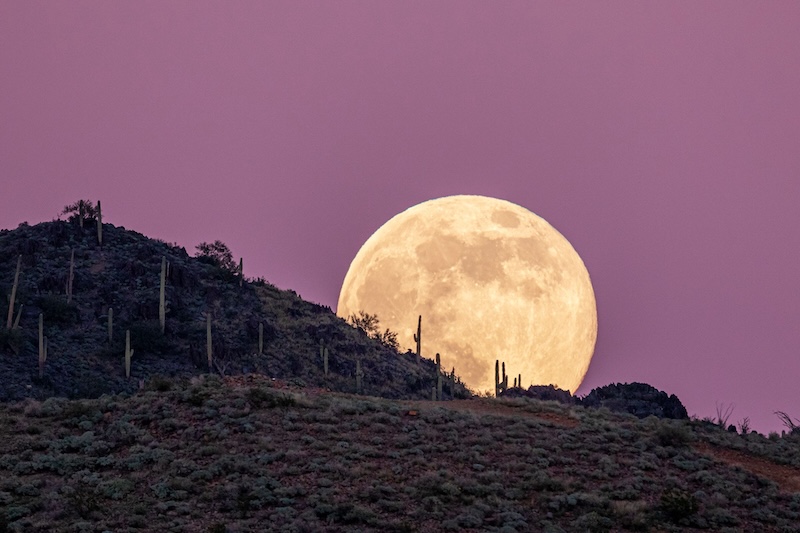
Wolves howl for a variety of reasons. But none of them are triggered by the sight of the moon.
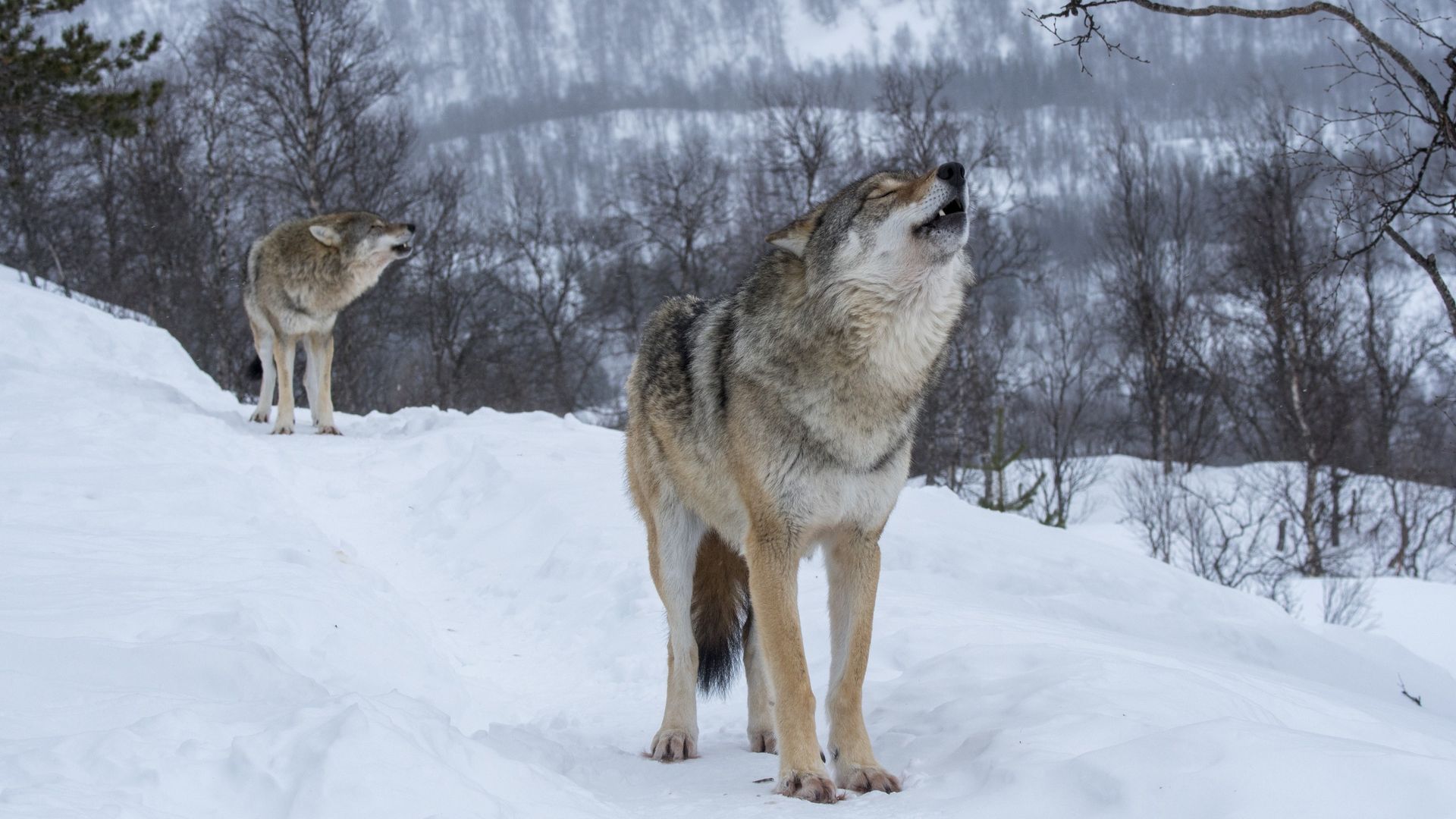
Wolves are renowned for their distinctive howling, a sound that can travel long distances and elicit a response from other wolves. This behavior is not linked to the moon, as commonly believed, but rather serves to maintain the intricate social bonds within wolf communities. Zoologist Arik Kershenbaum from the University of Cambridge explained that a lone wolf might howl when separated from its pack, seeking to reconnect, while pack members may howl when dispersed to facilitate hunting or caring for pups.
Additionally, group howling can act as a territorial warning to rival packs, especially when pups or food are present. The collective nature of howling fosters a sense of unity and readiness for action. When a wolf hears another's howl, it instinctively replies, reinforcing the pack's cohesion. The power of a wolf's howl can be felt up to 10 miles away in open areas, thanks to the unique combination of low and high frequencies that ensure the message remains clear even through vegetation.
Wolf pups begin producing howls around 2 to 4 weeks old, indicating that this vocalization is innate. Despite similarities with dog howls, each species of wolf possesses its own distinct howling dialect, influenced by factors such as habitat, social structure, and genetics. While researchers continue to explore the nuances of wolf communication, the prevailing evidence suggests that howling is primarily a social behavior driven by the need for connection, coordination, and territorial defense.
Rewritten by urgent.news; may contain errors — check the original.