What data storage looked like in the early 2000s vs. today
We've come a long way in storage technology in just 25 years, from floppies and tiny USB drives to massive SSDs and cloud storage.
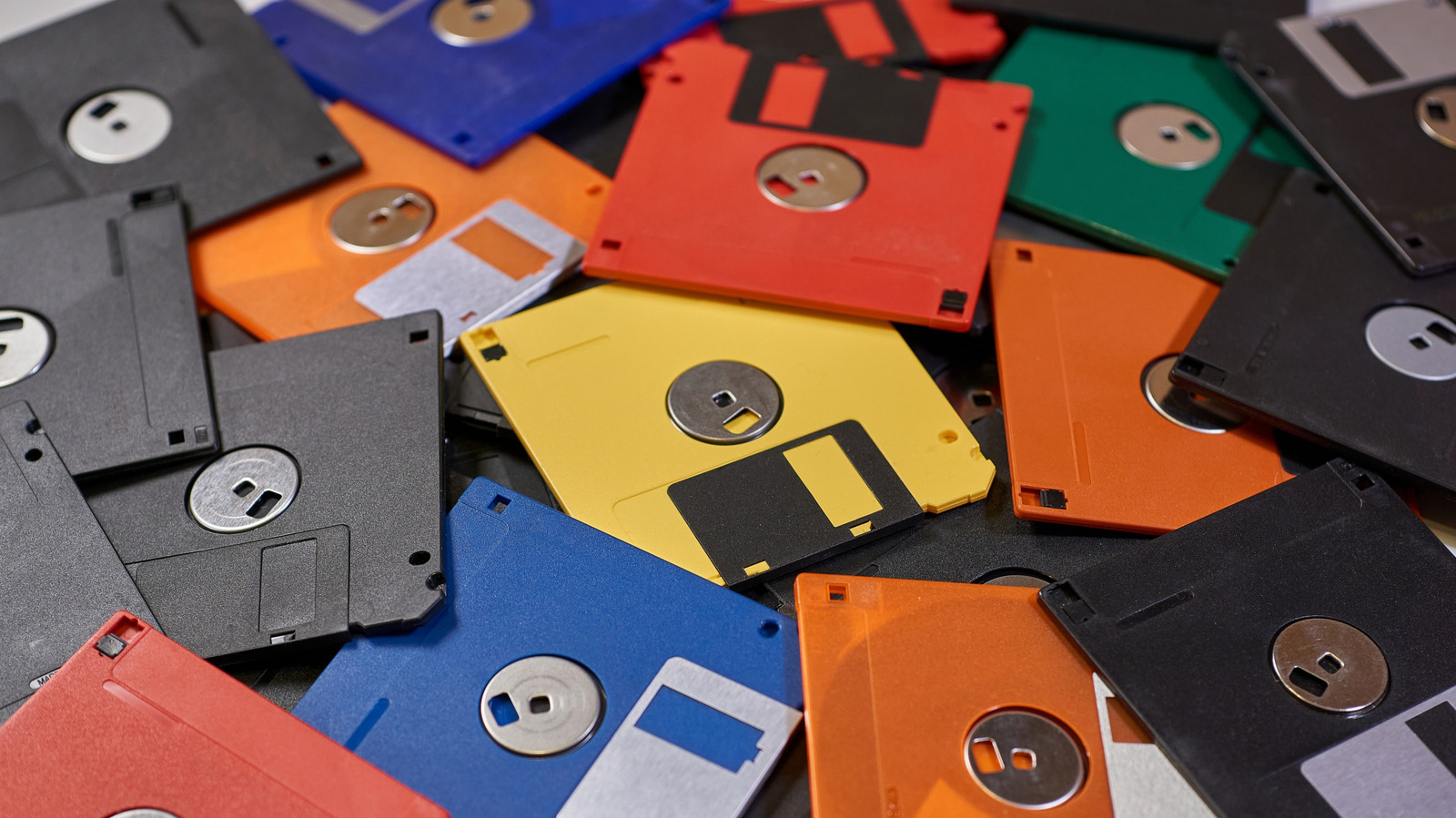
In the early 2000s, data storage was a tangible, physical affair. Floppy disks held a mere 1.44MB, while the largest PC hard drives maxed out at 10GB. CDs offered more space, around 700MB, but even then, storage was a premium. A 10GB hard drive cost less than $60, or roughly $6 per gigabyte. On the cutting edge, flash drives held only 8MB, but they were the wave of the future.
Now, in 2023, things look vastly different. Hard drives have grown exponentially, with some holding up to 44TB, a 4,400-fold increase. Meanwhile, SSDs reach 8TB. The floppy disk's reign ended in 2011 when Sony stopped manufacturing them, yet they remain a symbol of older storage methods. Today, data resides in vast data centers, out of sight and out of mind.
Services like Amazon's S3 have made cloud storage accessible, though prices for DRAM and SSD storage are on the rise, potentially increasing by 130% by year-end.
Rewritten by urgent.news; may contain errors — check the original.