Tony Pua’s selective transparency and an uncomfortable credibility crisis
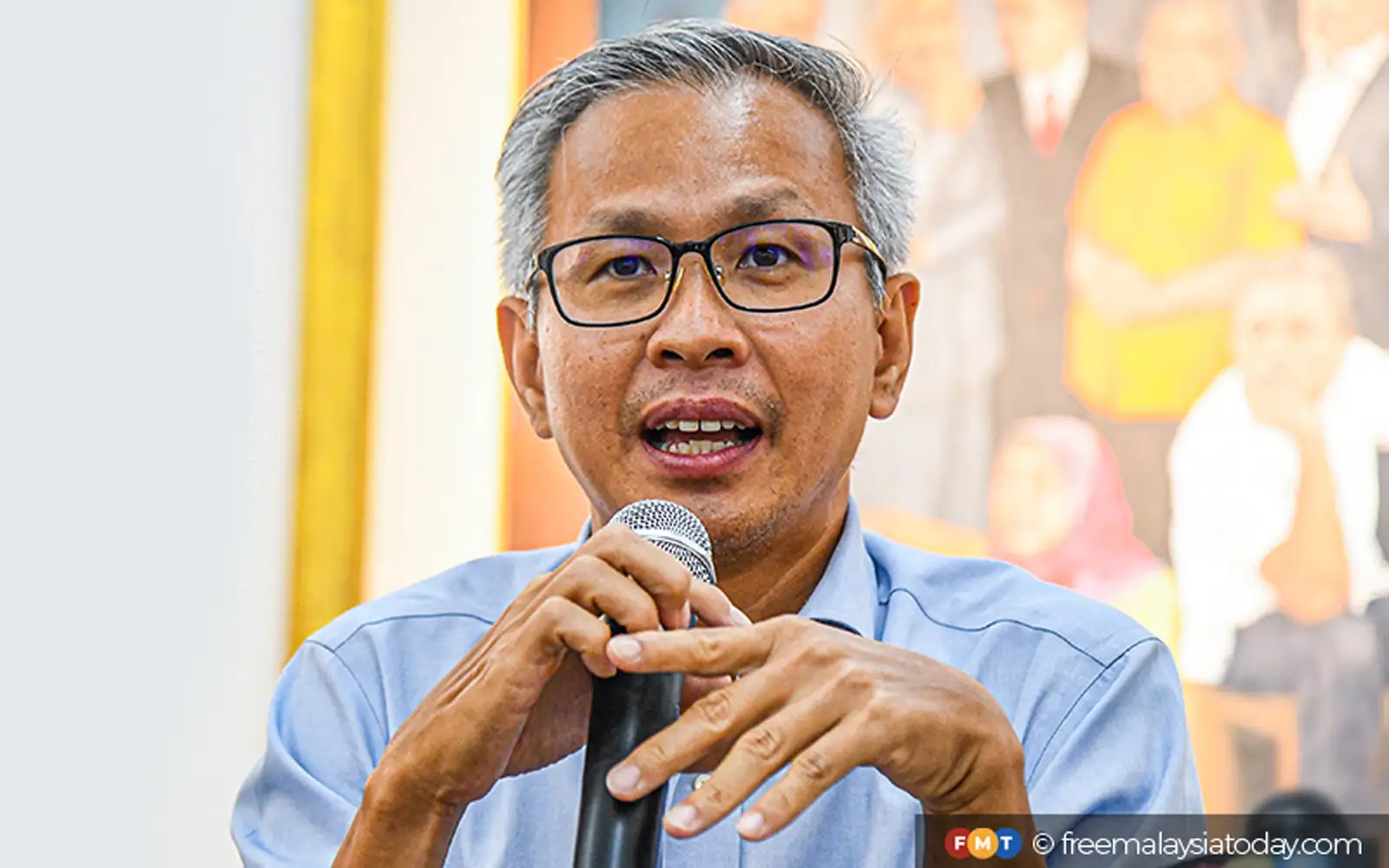
Tony Pua's selective transparency has ignited a credibility crisis. When the king grants clemency, Pua insists the objections should be published, claiming it's accountability. However, the question remains: does transparency explain the decision, or merely provide cover for those embarrassed by it? On November 18, Pua shared declassified minutes from a Federal Territories Pardons Board meeting discussing former Prime Minister Najib Razak.
The Attorney-General and the federal territories minister objected to house arrest, but the king still approved a conditional pardon. These details need verification and contextual analysis; mere Facebook posts are insufficient for establishing a constitutional precedent. Separating three key issues: the right to dissent during deliberations, the authority to decide, and the legality of disclosing deliberations afterwards.
Article 42 outlines the constitutional pardoning framework. Recording objections doesn't grant a veto. The king's authority doesn't exempt officials from explaining document classification, access, and release. Pua's move invites scrutiny because his disclosure appears to vindicate DAP representatives' objections. Does this prove the DAP's political conscience is spotless?
Not necessarily; it requires more evidence than screenshots and self-congratulation. DAP cannot claim constitutional procedure was followed when it documents ministerial dissent and treats the royal decision as someone else's political inconvenience. A constitutional monarchy isn't a buffet where parties pick the minutes they like and leave the decision behind.
If dissent is properly recorded, it should be publicly explained. If the decision is lawful, it should be respected. Neither requires abandoning criticism of corruption. The Umno party demands a clear account of the disclosure process, asking who declassified the documents, who authorized their circulation, and whether the palace was consulted.
These are legitimate questions, but assertions that publication insults the king need a solid legal and factual foundation. Defending royal dignity should strengthen constitutional precision, not replace it with outrage. Prime Minister Anwar Ibrahim defends the pardon process and acknowledges the king's constitutional role. But was his administration's handling of disclosure governed by consistent rules, or by the political controversies of the week?
The public deserves an answer, not more principles everyone claims to uphold. Anwar's 2018 pardon demand echoes this concern. Releasing the Pardons Board minutes wouldn't prove irregularity in either pardon, but it would expose the weakness of selective transparency. If publication builds public confidence today, what principle governs disclosure of earlier proceedings?
Maybe confidentiality, privilege, or national security justifies redactions, but political convenience is not a constitutional doctrine. However, this isn't just about Najib's political fate; it's a test of the government's credibility. A government preaching institutional reform must demonstrate procedures that withstand partisan advantage.
Publish a reasoned disclosure policy, identify the competent authorizing authority, and apply equivalent standards to comparable pardons. If confidentiality is required, explain its legal basis without exposing protected deliberations. Pua can criticize Najib, challenge clemency, and defend his former colleagues. But he's not entitled to confuse opposition proof with governmental consistency proof.
The former fits in a social media post, but the latter demands accountability across administrations, personalities, and inconvenient precedents. The king doesn't need politicians to manufacture unanimity. Institutions must understand their responsibilities according to the Constitution. The real scandal isn't disagreement; it's a government unable to explain who loaded the weapon, under what authority, and why only now. Azam Mohd, an FMT reader, shares these views.
Rewritten by urgent.news; may contain errors — check the original.
Other reports of this story
- Tony Pua’s selective transparency and an uncomfortable credibility crisis freemalaysiatoday.com